
September 21, 2026
Optimizing business travel for peak performance
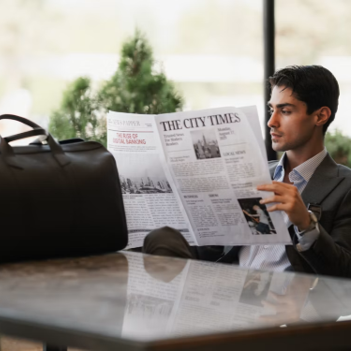 Business travel can often feel like a juggling act, trying to balance getting work done with all the moving parts of a trip. All that time spent traveling, waiting around in terminals, and hustling between appointments can really feel like it’s eating into your efficiency. But here’s the good news: with a smart approach, you can actually turn these moments from wasted time into valuable chances for focused work and getting ahead. By making every stage of your journey count, from the initial planning to wrapping things up when you get back, you can make sure your time away from the office actually boosts your productivity instead of dragging it down. It’s not about working harder; it’s about working smarter, so every hour on the road helps you hit your professional goals.
Getting productive on a business trip really starts long before you even head to the airport. The secret to a smooth trip is careful planning that anticipates what you’ll need and clears away potential roadblocks. Kick things off by booking your travel and hotel with logistics firmly in mind. Pick a hotel that’s not just comfy, but also convenient to your main meeting spots. This cuts down on travel time and stress. When you’re booking flights or trains, think about schedules that match your natural energy levels. An early morning flight might seem like a win, but if it means a sleepless night, you’ll pay for it in productivity the next day.
Once your main travel is locked in, put together a detailed itinerary. This should be your go-to guide, packed with confirmation numbers, addresses, contact info, and your meeting schedule. Use a digital calendar or a travel app to keep everything in one place and easily accessible on your phone. It’s a good idea to share this itinerary with key colleagues and family too. Smart corporate travel planning also means getting your digital workspace ready. Make sure all your important files, presentations, and documents are saved to the cloud and downloaded for when you’re offline. Test your VPN connection and confirm you have all the tools you need to connect with your team from afar. Finally, set up a clear out-of-office message. This helps manage expectations and directs urgent questions to a colleague, letting you really focus on what you’re there to do.
Maximizing Time Away from the Office
Those bits of unstructured time between appointments or before your flight home? They’re actually a huge opportunity to get stuff done. Too often, these hours just vanish while you’re waiting in hotel lobbies or lugging bags across town. To really make the most of this time, you need to be flexible and unburdened. This is where thinking strategically about your stuff becomes important. If you’ve got several hours between checking out of your hotel and an evening flight, you won’t be very productive if you’re stuck with your suitcase.
Imagine a common scenario for travelers in big cities. You’ve finished your meetings in central London by noon, but your train home isn’t until the evening. Instead of trying to find a coffee shop that’ll let you stash your bags in a corner, you could leave luggage with a local shop before boarding at Euston and get your whole afternoon back. This freedom means you can squeeze in one last informal meeting, find a quiet coworking space to tidy up your notes, or even just take a relaxing walk, which is just as important for staying sharp. By dropping off your luggage, you turn what would be dead time into productive hours. The trick is to see these “in-between” moments not as logistical headaches, but as chunks of time you can actually use. There are many ways to make time during business trips work for you, and managing your luggage is a simple but powerful one.
The Ergonomics of Travel Gear
You simply can’t stay productive if you’re uncomfortable. Those aches and pains from working in weird spots, like an airport gate or a squished train seat, can quickly sap your focus and energy. Thinking of ergonomic travel gear as a luxury? Think again. It’s a must-have for any serious professional who travels for work. Bad posture and repetitive strain don’t just hurt; they create constant, low-level distractions that chip away at your ability to concentrate on important tasks.
Your travel setup should basically be a mobile version of your comfy office. Start with your bag. A backpack with padded shoulder straps and a sternum strap spreads the weight much better than a messenger bag or a rolling case, saving your back and shoulders. Inside that bag, a few key items can make a huge difference. Noise-canceling headphones are essential for creating your own little bubble of focus in noisy places. A light, portable laptop stand lifts your screen to eye level, stopping that neck-craning posture that leads to “tech neck.” Pair this with a slim external keyboard and a travel mouse to get closer to a normal desktop setup. Even a simple inflatable lumbar pillow can make an uncomfortable seat bearable for a few hours of work. These tools are fundamental for boosting productivity on a business trip because they tackle the physical side of staying mentally focused.
Lightening the Load for Better Focus
The idea of “lightening your load” goes beyond just ergonomic gear; it applies to everything you carry, both physically and digitally. Every single item you pack is another thing to keep track of, another decision to make, and another bit of weight on your shoulders. Taking a minimalist approach to packing can actually make a surprisingly big difference to how clear-headed and focused you are during a trip. The less you have to manage, the more brainpower you have left for your actual work.
Start with your clothes. Pack a versatile capsule wardrobe with pieces you can mix and match for different occasions. Choose fabrics that don’t wrinkle easily and can be worn more than once. This gets rid of the daily “what to wear” dilemma and seriously cuts down on how much luggage you have. The same goes for toiletries; put your essentials into travel-sized containers instead of bringing full-sized products. Digitize everything you can. Scan receipts right away with an app, save travel documents as PDFs on your phone, and keep notes in a cloud-based app. This reduces paper clutter and means you won’t lose an important document. By packing only what’s truly essential, you make your journey physically easier and mentally simpler, freeing you up to focus your energy on the meetings and tasks that matter most.
Debriefing and Post-Trip Efficiency
The productivity of a business trip doesn’t just stop when you get home. Having a clear process for after your trip is important for capturing all the value from your travels and smoothly getting back into your regular routine. If you don’t properly debrief, you could lose information, miss follow-ups, and end up playing a stressful game of catch-up that undoes all the progress you made while you were away. Being proactive ensures that the momentum from your trip keeps going.
Your first priority when you get back should be to process information while it’s still fresh in your mind. Before you get swamped by all the emails that piled up, block out an hour to write a quick trip report. Jot down key decisions from meetings, outline action items with who’s responsible and by when, and share important insights with your team. This simple act solidifies the information for you and creates a record of what came out of the trip. Next, tackle your expenses. Submitting your expense report right away stops it from becoming that annoying task you keep putting off. This kind of organization is a hallmark of seamless trip management and shows you’re on top of things. Finally, check your calendar and emails to figure out your priorities for the next few days. By systematically wrapping up your trip, you make sure you get the full benefit from it and set yourself up for a productive return to the office.
By treating business travel as a key part of how you work, complete with its own strategies for getting ready, executing, and following up, you can consistently perform at your best. These practices help turn what’s often a source of stress and inefficiency into a powerful tool for reaching your professional goals.