September 18, 2026
Workplace design can improve focus for people with ADHD, research suggests
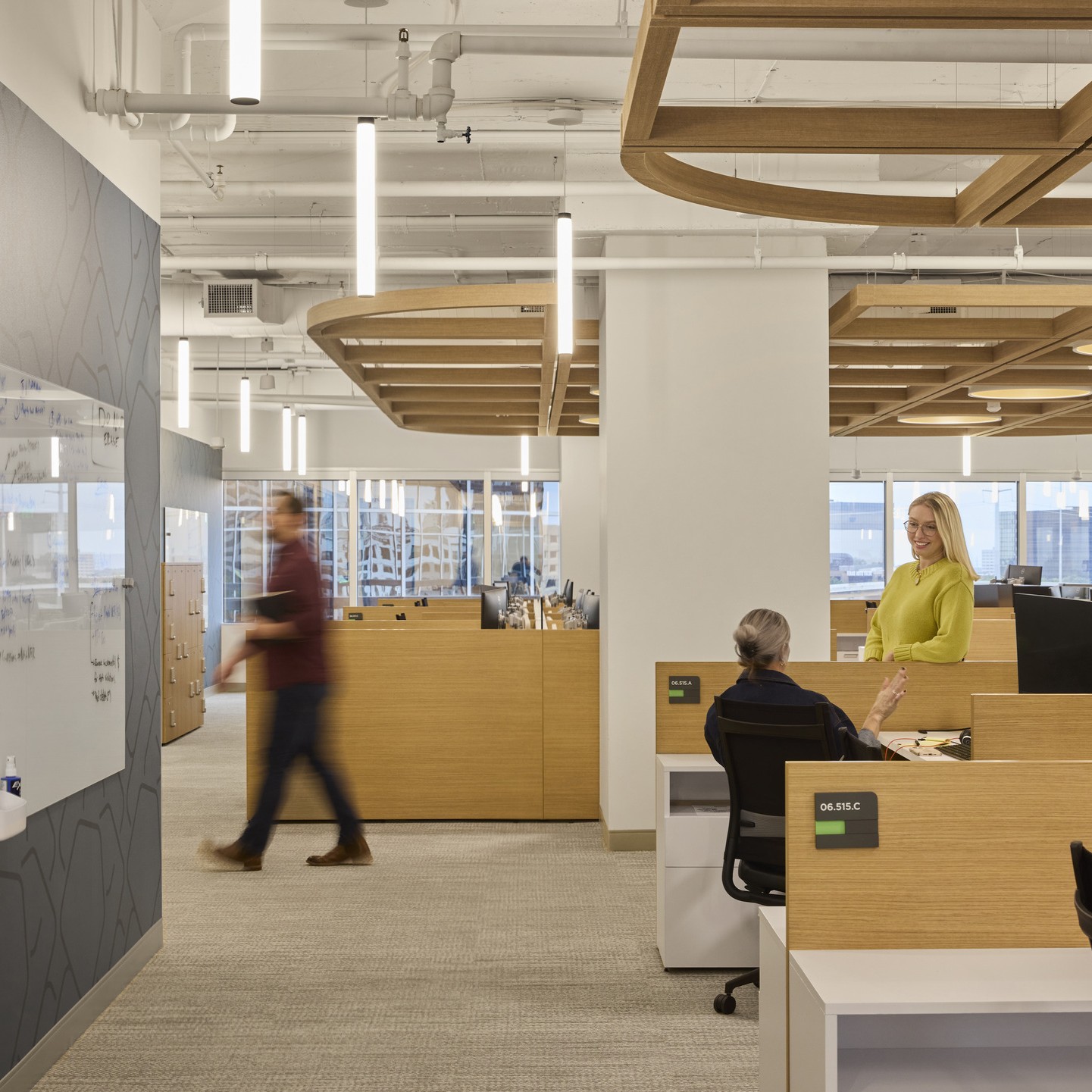 Workplace lighting, visual distractions and opportunities for movement can have a measurable impact on attention among people with inattentive-type ADHD, according to new research from architecture and design firm Corgan and the University of Arkansas. The study examined how environmental factors including light, sound, movement and visual activity affect people with inattentive-type ADHD, with researchers using electroencephalogram (EEG) technology to monitor participants’ brain activity in open workstations and private offices.
The findings suggest that attention is responsive to changes in the working environment and that workplaces which allow people to control their levels of sensory stimulation may help support concentration and reduce cognitive load.
The research was led by Corgan—Hugo, the firm’s research and innovation group, in partnership with the University of Arkansas and with funding from the American Institute of Architects’ AIA Upjohn Research Initiative. It has been published in a report, Focus by Design: What the ADHD brain teaches us about better workspaces for all.
Researchers found that lighting was one of the factors influencing both participants’ perceptions and measured attention. Participants reported feeling calmer, less stressed and more focused under dimmer, indirect lighting, while brighter, direct lighting was associated with greater distraction and eye strain. EEG measurements also indicated higher sustained attention under diffused lighting conditions.
The configuration of workspaces also produced differing results. Participants sitting with their backs to surrounding activity reported 67 percent greater feelings of insecurity, despite also reporting higher levels of concentration.
By contrast, open-plan settings which provided visual boundaries without completely enclosing workers produced the lowest measured cognitive load. The researchers suggest this points to the importance of balancing privacy with sufficient awareness of the surrounding environment.
Movement appeared to have a similarly nuanced effect. Tests involving sit-stand desks, footrests and yoga-ball seating found that brief changes in posture could support comfort and attention, while continuous or exaggerated movement reduced both comfort and perceived focus. Researchers also observed participants naturally changing posture and fidgeting during tasks, suggesting that relatively subtle movement may help some people regulate their attention.
The study found that no single environmental intervention determined attention levels. Instead, combinations of lighting, acoustics, visual conditions, movement and other sensory factors appeared to shape participants’ overall experience.
Melissa Hoelting, assistant director of Corgan—Hugo, said people with inattentive-type ADHD could provide an “early lens” through which to understand the effects workplaces have on attention. “Modern workplaces ask us to constantly process light, sound, movement, and visual activity — and while many people learn to adapt, individuals with inattentive-type ADHD often experience the effects of those environments sooner and more intensely,” she said.
The researchers argue that the findings may have implications beyond employees diagnosed with ADHD, particularly as employers consider how workplace design affects concentration, wellbeing and cognitive performance more generally.
The research has received a Certificate of Research Excellence from the Environmental Design Research Association, an international organisation focused on research into the relationship between people and designed environments. The AIA Upjohn Research Initiative funds research into architecture and the built environment, including work covering health, equity, resilience and innovation.