




November 12, 2026
The benefits of flexible workspaces for businesses
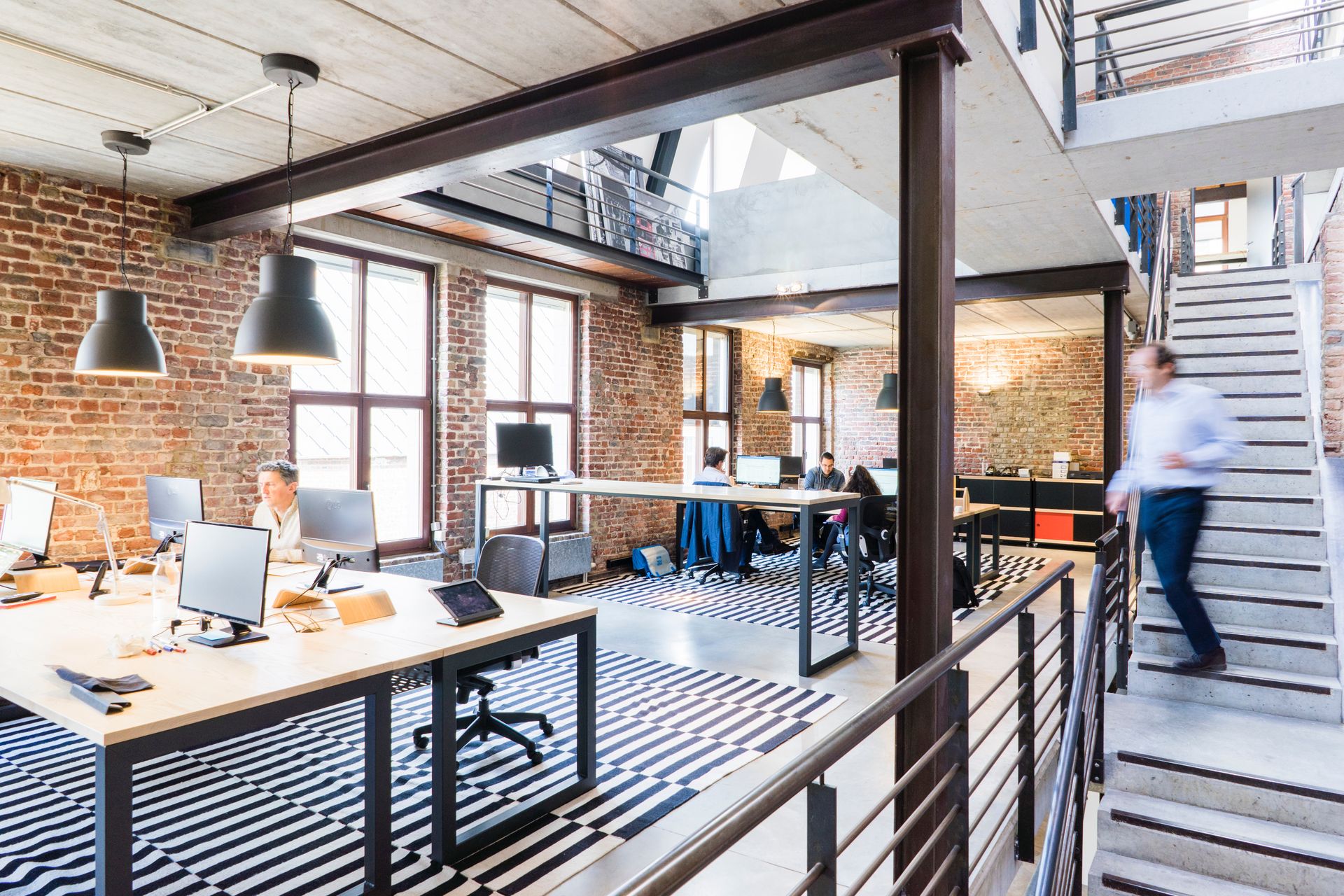
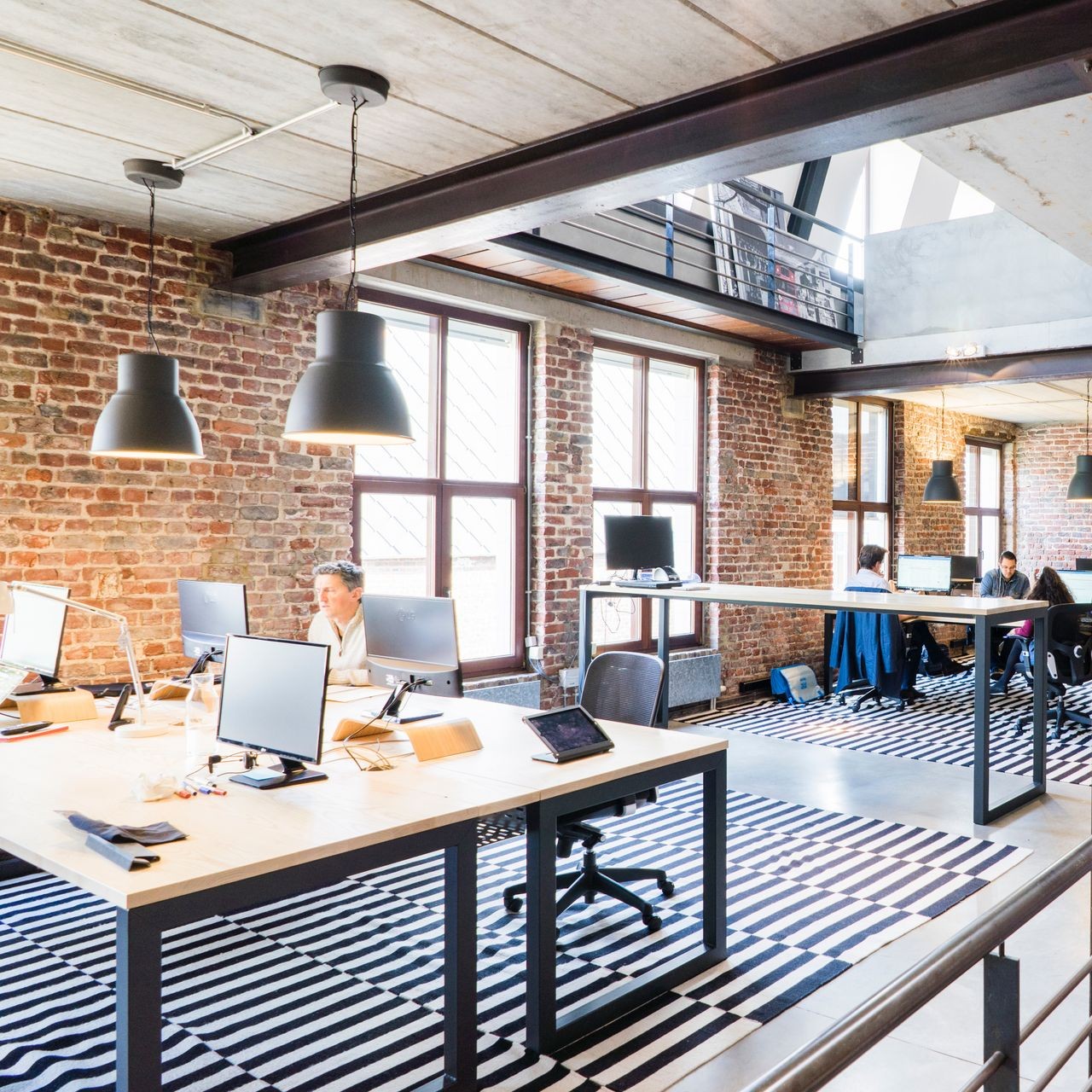 The way businesses view office space has changed dramatically in recent years. Whereas fixed desks used to be the norm, organisations are now rethinking how their physical workspace supports the way people actually work. Flexible workspaces have evolved from a trendy perk into a true strategic asset, and companies that have embraced this shift are already seeing measurable benefits in productivity, cost efficiency, and employee satisfaction.
The strongest argument for flexible work is simple: it helps people perform better. When employees aren’t tied to the same desk or a nine-to-five mindset, they naturally choose the spot that best suits the task at hand. Some employees need a quiet space to concentrate, while others benefit from sitting near colleagues to collaborate or exchange ideas. Flexible workspaces give employees the freedom to choose a workplace that suits what they’re doing. This flexibility can help reduce distractions and make it easier for employees to work in ways that suit them. Furthermore, research shows that trust in this area leads to greater engagement and less absenteeism due to burnout.
Reduce Overhead Costs Without Sacrificing Quality
Office space is one of the highest fixed costs for a company, and flexible work models offer a practical way to alleviate that burden without compromising the quality of the work environment. When not every employee needs their own desk every day, companies can operate with significantly less space. This is particularly relevant for organisations with a hybrid work policy, where employees alternate between working in the office and from home. Any savings can then be invested in higher-quality shared spaces, better technological infrastructure, or employee development programs.
Manage Shared Workspaces More Easily
The transition to a flexible workspace model requires more than just eliminating fixed workstations. Without the right systems, things can quickly become chaotic. That’s where software becomes essential. Organisations that manage workspaces with Flexwhere hot desk booking software benefit from a structured platform that allows employees to book desks, meeting rooms, and other shared resources in advance. This eliminates uncertainty and ensures that the office runs smoothly even on busy days. Managers gain real-time insight into space utilization, helping them make informed decisions about layout, capacity, and future investments in the workplace.
Supporting Employee Well-Being
Flexible workspaces can also contribute to a better employee experience. Professionals across all sectors now expect a certain degree of autonomy over where and how they work, and organisations that do not offer this risk losing employees. When combined with hybrid working, workplace flexibility can also help employees reduce commuting time and better balance their professional and personal responsibilities. This has a direct impact on morale and long-term employee retention.