


December 11, 2025
BCO calls for paradigm shift as regional cities fall behind on sustainable offices
 A widening gap in the availability of highly sustainable offices across the UK is putting the economic prospects of smaller regional cities at risk and could undermine national net-zero goals, according to new research from the British Council for Offices. The report, Viability and Sustainability in the Regions, warns that a large share of office space outside major centres may become economically obsolete if current trends continue. It suggests this could lead to what it describes as “sustainability gentrification”, with organisations unable to find space that meets their ESG commitments in cities such as Exeter, Newcastle and Sheffield.
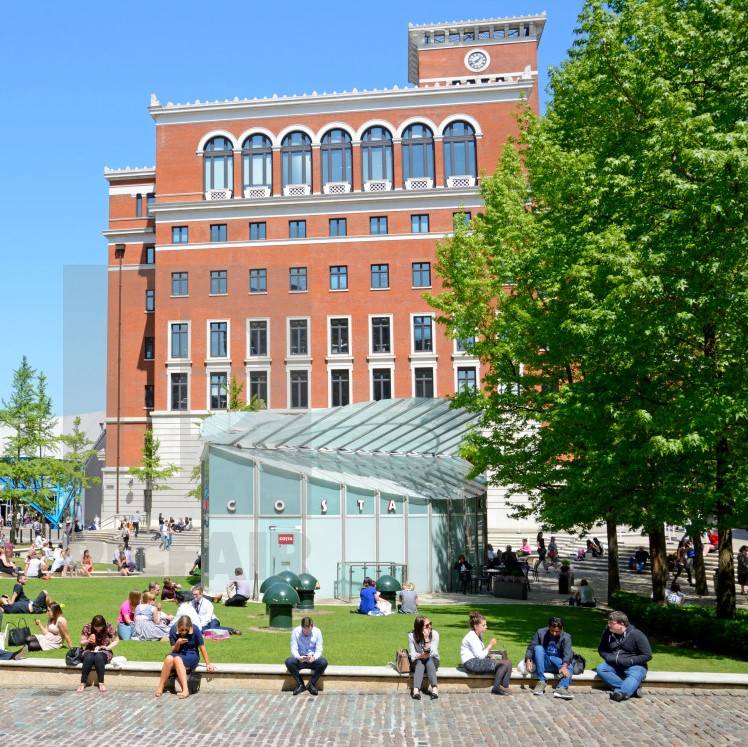
The BCO notes that London and the UK’s largest regional office markets – Birmingham (pictured), Bristol, Edinburgh, Glasgow, Leeds and Manchester – offer far greater choice of modern, sustainable space. These cities average nineteen highly sustainable office buildings, compared with three in Exeter, Newcastle and Sheffield. Even when measured against floorspace, the imbalance remains, with Newcastle and Sheffield offering around five to six such buildings per million square metres, against an average of eleven in the larger cities. Higher EPC ratings are also twice as common in the Big Six.
The findings point to longer-term pressures as regulations tighten, carbon taxes become more likely and occupiers face stricter reporting requirements. The report highlights a continuing misconception that prime space and sustainable space are synonymous. It argues that from an embodied carbon standpoint, the most sustainable building is often the one already standing, and that certification schemes can be costly, complex and overly focused on potential rather than actual performance.
The BCO says this mindset risks holding back progress in regional markets, where simpler, more meaningful performance metrics could support a broader and more viable supply of sustainable workspace. It suggests that detaching sustainability from prime status would help open new routes to upgrading regional stock while maintaining local character.
Eric Chong, director of research and policy at the BCO, said the shift would require “rewriting of the rulebook” and a stronger emphasis on retrofitting. He said the current focus on new development overlooks the opportunities within existing buildings to deliver better environmental performance while protecting heritage.
To address the imbalance, the report proposes a “city office portfolio” approach, encouraging cities to assess their office stock holistically and develop co-ordinated strategies. This includes collaborative leadership through local stakeholder groups, solutions tailored to local conditions, greater emphasis on operational performance, incentives for sustainable upgrades and investment in regional skills.
The report outlines twenty-one potential pathways, ranging from retrofit strategies and energy efficiency measures to policy changes aimed at supporting refurbishment. These, it says, will require planning reform, wider education and collective adoption across the sector.
Nick James, sustainability director at Futureground and co-author of the report, said tackling the divide was essential for economic resilience. Jaime Blakeley-Glover, head of regenerative futures at LSH and fellow co-author, said a collaborative, place-based approach could unlock the potential of regional markets and support more sustainable business environments.