


March 23, 2026
Government confirms Manchester digital campus as part of civil service relocation strategy
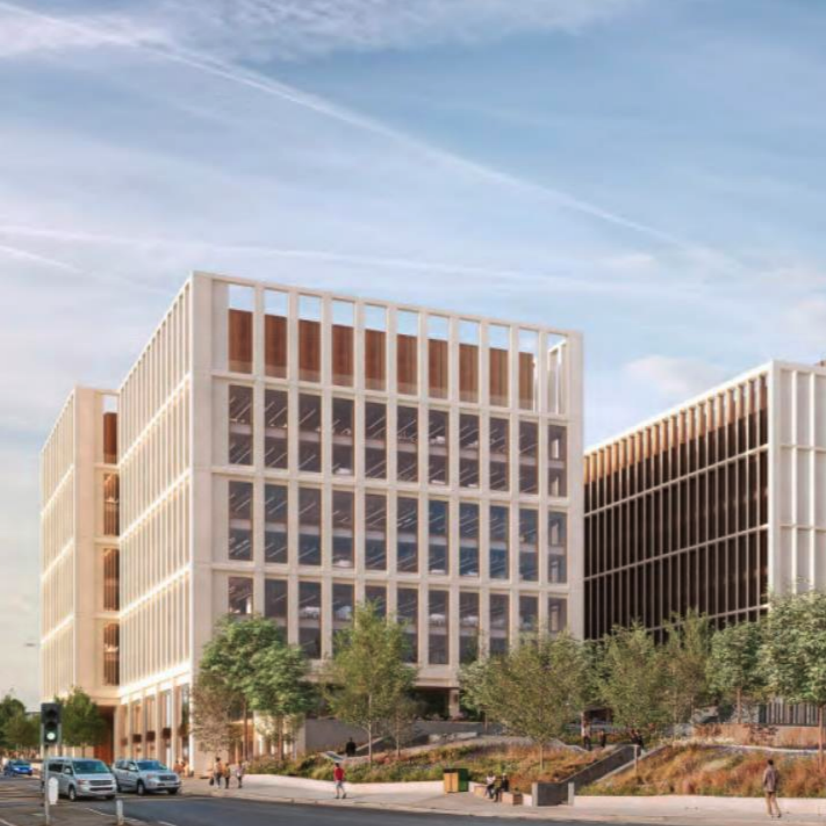 The government has confirmed plans for a major new digital campus in Manchester, marking a significant step in efforts to relocate civil service roles and strengthen regional technology capability. The Manchester Digital Campus received Treasury approval for its outline business case on 19 March, allowing the project to move forward as a central element of the government’s digital and data strategy.
The development will be built on brownfield land in central Manchester and is expected to bring together around 8,800 staff from multiple government departments, with a focus on digital work. The campus will provide approximately 900,000 square feet of workspace across two buildings and is currently scheduled to open in 2032.
The scheme forms part of the government’s wider Places for Growth programme, which aims to move roles and decision-making functions out of London and into regional centres. Ministers said the project would help transform how government operates by consolidating teams and improving collaboration across departments.
Cabinet Office minister Anna Turley said the project would support economic growth and regeneration in Manchester, while also creating a new hub for digital expertise within government.
The government estimates that the campus will generate long-term estate efficiencies of £4.7 billion over 60 years, with annual savings of around £240 million once fully operational. Construction is also expected to support around 4,900 jobs during the build phase.
The campus is intended to support the government’s ambition to increase the proportion of civil servants working in digital and technology roles to one in ten by 2030, up from just over five percent currently. Officials said the project would play a key role in strengthening the UK’s digital capability while embedding government functions more closely within regional economies.