


December 11, 2025
JLL sets out the five key corporate real estate trends for next year
 A new analysis from JLL claims to highlight how global occupiers are rethinking corporate real estate as a strategic tool for talent, culture and performance rather than treating it purely as a cost. The report identifies five priorities expected to influence workplace strategy in the year ahead, reflecting continued pressure on portfolios alongside rising expectations for employee experience and sustainability. JLL says organisations are increasingly shifting to more flexible “elastic portfolios” as they look to balance cost control with growth. Office utilisation remains well below target levels, prompting a move away from long, fixed leases in favour of portfolios that can expand or contract according to market conditions, workforce needs or new business opportunities. The firm argues that portfolio management is now closer to a continuous process than a periodic exercise.
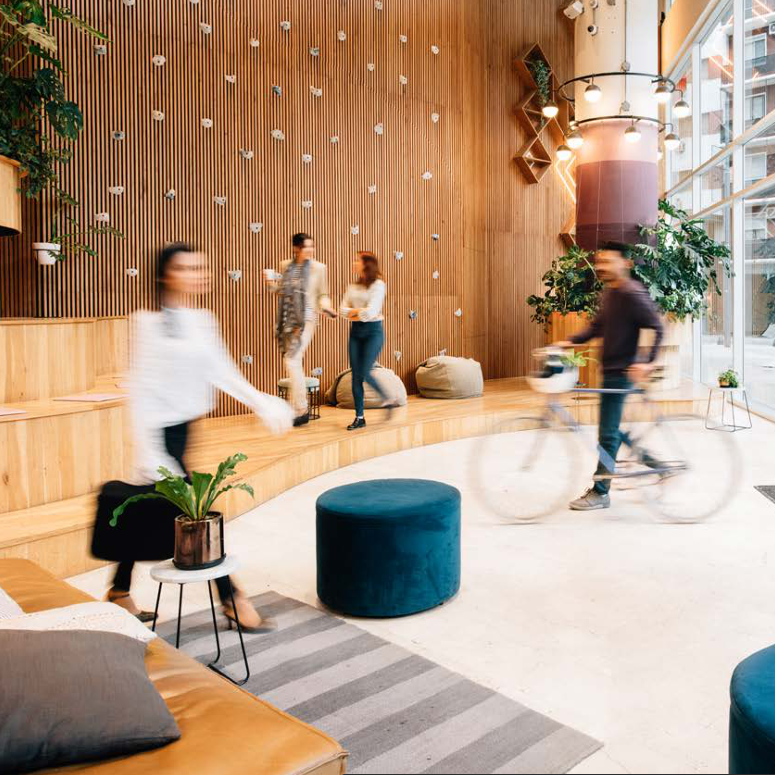
Attention is also turning to workplace quality as more employers mandate regular office attendance. With many organisations requiring staff on site for most of the week, creating spaces that support work patterns, culture and wellbeing has become central to retention. JLL notes a link between workplace design and attendance, particularly in Asia Pacific, where the most successful organisations have tailored spaces closely to how their people actually work.
AI adoption is rising quickly across corporate real estate functions, though most activity remains experimental. Compatibility with legacy systems is a common barrier, but uptake of workplace technology is accelerating. JLL says early adopters are beginning to treat AI as core infrastructure rather than an innovation project, with stronger data foundations expected to be a priority in 2026.
Facilities management is facing its own pressures as organisations balance increasing costs with growing expectations around safety and wellbeing. FM leaders continue to prioritise value beyond price, placing more emphasis on providers with an understanding of their broader business. Technology is expected to play a larger role in automating routine tasks and improving visibility over safety, satisfaction and sustainability.
Energy performance has become a central factor in sustainability strategies as costs rise and occupiers look for efficiencies. JLL highlights growing interest in upgrades that combine efficiency measures with improvements to the employee experience. Organisations that integrate both are expected to benefit from reduced operating costs while creating environments that better support attraction and retention.
JLL says these trends point to a shift in how organisations view corporate real estate, with workplace decisions increasingly tied to agility, performance and the wider employee experience rather than cost alone.