About Freddie Steele

Posts by Freddie Steele:

How healthcare leaders can enhance their business acumen

How healthcare leaders can enhance their business acumen

Healthcare leaders need to enhance their business acumen if they want to run successful practices without losing sight of the people they’re called to care for.No one enters into healthcare looking forward to dealing with budgets, profit margins, or return on investment. They do it because they want to make a difference. Still, the reality is hard to ignore. Great care depends on great decisions. And many of those decisions require more than just clinical expertise. They require business acumen. This means a balanced mix of financial savvy, strategic thinking, and real-world insight.

But can healthcare leaders do without this skill? Probably not. According to the American College of Healthcare Executives (ACHE), problems with finances ranked second in the list of concerns for hospital CEOs in 2023.

The message couldn’t be clearer. Healthcare leaders need to enhance their business acumen if they want to run successful practices without losing sight of the people they’re called to care for.


Is Business Acumen Essential for Healthcare?

Short answer? Yes. But let’s look at why.

When we talk about business acumen, we’re really talking about the ability to make smart decisions that keep the door open.

For healthcare leaders, this goes way beyond spreadsheets. It’s about seeing the whole picture: patient needs, team dynamics, financial sustainability, and the entire ecosystem of your healthcare organization.

And yes, this matters. A lot. In fact, the World Economic Forum clearly ranks business acumen as the No.1 skill every people leader needs, with almost 90% of chief people officers saying it is their top priority in the coming months and years.

While this data applies across industries, it’s no less relevant in healthcare. In other words, knowing how the business side works is no longer optional. It’s expected.

To put things in their proper perspective, without business acumen, you might provide great care, but would you be around to provide it next year or the year after?


How to Enhance Business Acumen as a Healthcare Leader

So, how can you enhance your business acumen as a healthcare leader? And no, you don’t need a four-year MBA. Here are practical tips that can work in your healthcare system.

Listen to Your Patients

Your patients aren’t just the people you provide with healthcare services; they’re also your customers. And you know the good thing about customers, feedback from them is gold for business development. So, listen to them.

Paying close attention to what your customers are saying helps you spot gaps in your services. Do they complain about access to telehealth? Perhaps some mention how hard it was to get a follow-up appointment. Insights like these help you fix processes, reduce complaints, and improve outcomes.

We saw a good example of this in 2024, when employers reported growing interest in expensive obesity medications, including GLP-1s. Tuning into patients’ conversations will tell you whether to expand your services in this area or not. It’s like using patient engagement to drive business strategy.


Take Specialized Courses

While listening to patients will give you insights into the direction your practice can take, alone, it’s not enough. You can take things a step further by considering a structured environment where you can learn the skills to do the business of healthcare better.

The good news? You don’t have to do another four-year course for this. There are accelerated online programs for working healthcare professionals that you can do to enhance your business acumen.

Take MSN-MBA dual degree online programs, for example. These programs teach you how to both oversee clinical operations and establish policies and processes for better patient care results.

What’s more? According to Spring Arbor University Online, programs like these give you two Master’s Degrees in just two years and five months. And you don’t have to quit your job, too.

You can also consider short courses or weekend workshops on healthcare finance for non-financial managers. In this case, the goal is not to become an expert but to ‘speak the language’ so that you know what to look out for when running a healthcare practice.


Find Mentors

Finding a mentor is a secret advantage that not many people use. These are people who’ve been where you are now and are where you want to be in the future. Of course, they’ve likely experienced some of the challenges you’re currently facing and are in the best position to tell you what to do.

Experiencing high turnover rates in your clinic? A mentor can tell you how to make them stay.

According to a 2024 study published in the Journal of Healthcare Leadership, healthcare professionals who participate in mentorship programs report increased leadership awareness, better coping with stress, and improved confidence as leaders. The benefits are self-explanatory.


Follow Industry News

One final way to stay on top of your business acumen skills is to keep abreast of industry news. Why? Because the world of medicine moves fast.

Take 2025, for example. Probably one of the biggest healthcare industry trends was artificial intelligence (AI). PWC even predicted that it will power the future of medicine, with 77% of healthcare executives making it a top priority investment for the near future.

Now imagine you’re not paying attention to industry news and don’t have this information. You’ll be left behind while others leverage AI tools to make data-backed decisions.


Bottom line? Stay on top of things. Even if it’s one solid newsletter, subscribe to it.


Building Your Business Acumen in Healthcare

Managing a healthcare facility is tough work. You’ve got to make sure that the numbers add up while at the same time, ensuring that patients get the best possible care. Enhancing your business acumen is one of the most effective ways to make this work. Hopefully, the points discussed in this article have shown you how to do just that.

It’s important to point out that this doesn’t happen overnight. It’s a slow and thoughtful process, but one that pays off at the end. The best way to go about it is to pick one strategy and work on it. Once you start seeing results, you move on to the next.

Your patients, your team, and your healthcare operations will thank you for it.

Ninth Workplace Design Conference in Ljubljana to explore positive workplace change

Ninth Workplace Design Conference in Ljubljana to explore positive workplace change

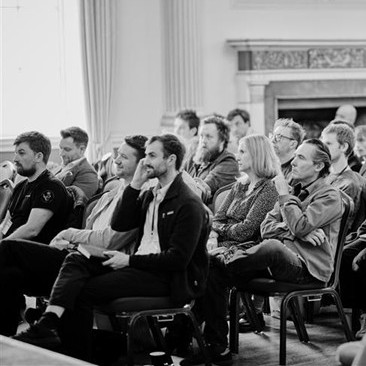
The ninth annual Workplace Design Conference has been confirmed for Thursday, 8 October 2026, with organisers announcing that WDC26 will take place at Ljubljana Castle, one of Slovenia’s most recognisable cultural landmarks. Hosted in the professionally equipped Hribar Hall, high above Ljubljana’s Old Town, the conference will once again bring together an international audience of workplace strategists, business leaders, designers, consultants and solution providers to explore how the design of work environments can support performance, productivity and positive organisational change. (more…)

The role of local businesses in promoting mental health and wellbeing

The role of local businesses in promoting mental health and wellbeing

Once seen as an individual responsibility, mental health is now recognised as a shared, community wide issue.Across the UK and over recent years, there has a change in how the general public views mental health and wellbeing. Once seen as an individual responsibility, mental health is now recognised as a shared, community wide issue. Our mental health is both our individual and collective responsibility and requires effort from family members, workplaces and organisations. For many, the workplace is where they spend most of their time. For others, local cafés, gyms, hairdressers, or local shops are their daily social spaces. These are the places that people connect, relax, and interact with other people. It’s in these spaces that local businesses have a unique power to influence how people think and feel as well as their mental health. (more…)

Design Mumbai hosts the Sustainable Design Collective

Design Mumbai hosts the Sustainable Design Collective

The Sustainable Design Collective joined forces with Design Mumbai to host panel discussions at this rapidly expanding event.The Sustainable Design Collective recently joined forces with Design Mumbai to host panel discussions at this rapidly expanding event. Attracting over 9,000 visitors and 100+ leading, global brands, Design Mumbai’s launch in 2024 marked India’s first-ever B2B international contemporary design trade show for design, architecture, and interiors professionals.  The second iteration was held at Jio World Garden on 26th-29th November 2025. The event has already become a platform, both for Indian brands seeking global recognition and for international companies that want to tap into the prosperous and fast-growing Indian design market. (more…)

The UK’s most influential workplace design event is open for registration

The UK’s most influential workplace design event is open for registration

Registration is now officially open for Workspace Design Show London, returning to the Business Design Centre on 25–26 February 2026Registration is now officially open for Workspace Design Show London, returning to the Business Design Centre on 25–26 February 2026 with its most forward-thinking edition yet. The 2026 show will push even further under its new theme, Connected Realities, exploring how physical spaces and digital layers are increasingly merging to shape the workplaces of tomorrow. Across two days, the event will transform the BDC into a dynamic landscape of ideas and innovation, featuring leading UK and international brands unveiling the latest in furniture, lighting, acoustics, flooring, sustainability, digital workplace tools and materials for next-generation environments. Visitors can expect a show floor rich with new launches from companies including König + Neurath, Sedus, Kvadrat, Pedrali, Interface, Forbo and more, alongside a wider range of workplace product innovators shaping the future of work. (more…)

Are you a leader of the first workplace?

Are you a leader of the first workplace?

If you work with young people, whether you’re in the classroom, in district leadership, or pursuing an educational doctorate degree, you’re already shaping how they’ll experience work for the rest of their lives. The first real workplace they know isn’t a cubicle or a Zoom call, it’s the classroom, and when leaders get the learning culture right, students become more hopeful, more engaged and more ready for what comes next. You’re effectively running their first organisation, with norms, expectations and feedback loops that feel very similar to what they’ll encounter later in their careers. (more…)

Why smarter scheduling is becoming workers’ favourite benefit

Why smarter scheduling is becoming workers’ favourite benefit

In late 2023, The Conference Board asked more than 1,500 US employees which non?salary benefits matter most. 65 percent put workplace flexibility at the top of the list, above bonuses, paid time off, retirement plans and even healthcare.  In 2025, Gallup found that among over 10,000 US workers, 59 percent rated “greater work–life balance and better personal wellbeing” as a very important reason for taking a new job, more than any other factor for the third year running. (more…)

Tony Attard named as new chair for British Furniture Confederation

Tony Attard named as new chair for British Furniture Confederation

After ten years in the hot seat, Jonathan Hindle is stepping down as chairman of the British Furniture Confederation (BFC). The new chairman is Tony Attard, OBE, DL, founder and chairman of the Panaz Group. The BFC was set up in 2006 by the Worshipful Company of Furniture Makers Company (WCFM) to be the voice of the industry to government. Since its formation, its chairs have traditionally been Past Masters of the WCFM– Tony was Master in 2022-3 and President of the Furnishing Industry Benevolent Association (FTBA) prior to its merger with the FMC in 2012. (more…)

Workspace Design Show Amsterdam reports strong growth for second edition

Workspace Design Show Amsterdam reports strong growth for second edition

The second Workspace Design Show Amsterdam drew record attendance to the RAI on 5 and 6 November, marking a notable expansion of interest in workplace interiors across Europe

The second Workspace Design Show Amsterdam drew record attendance to the RAI on 5 and 6 November, marking a notable expansion of interest in workplace interiors across Europe. The event, now in its second edition following its 2023 debut, brought together architects, designers, occupiers and suppliers for two days of discussion, product launches and industry networking. Organisers reported more than six thousand visitors from more than sixty five countries, a sharp rise from the first edition. Attendance was led by the Netherlands, followed by Belgium, Germany and the United Kingdom. More than one hundred and fifty exhibitors presented products spanning furniture, lighting, acoustics, flooring and workplace technology. The programme also expanded significantly, with more than one hundred and forty speakers taking part across three stages covering occupier strategies, design thinking and workplace experience. (more…)

A new era of ergonomic design: HAT Collective curated showcase is now open at the Interstuhl showroom, Clerkenwell

A new era of ergonomic design: HAT Collective curated showcase is now open at the Interstuhl showroom, Clerkenwell

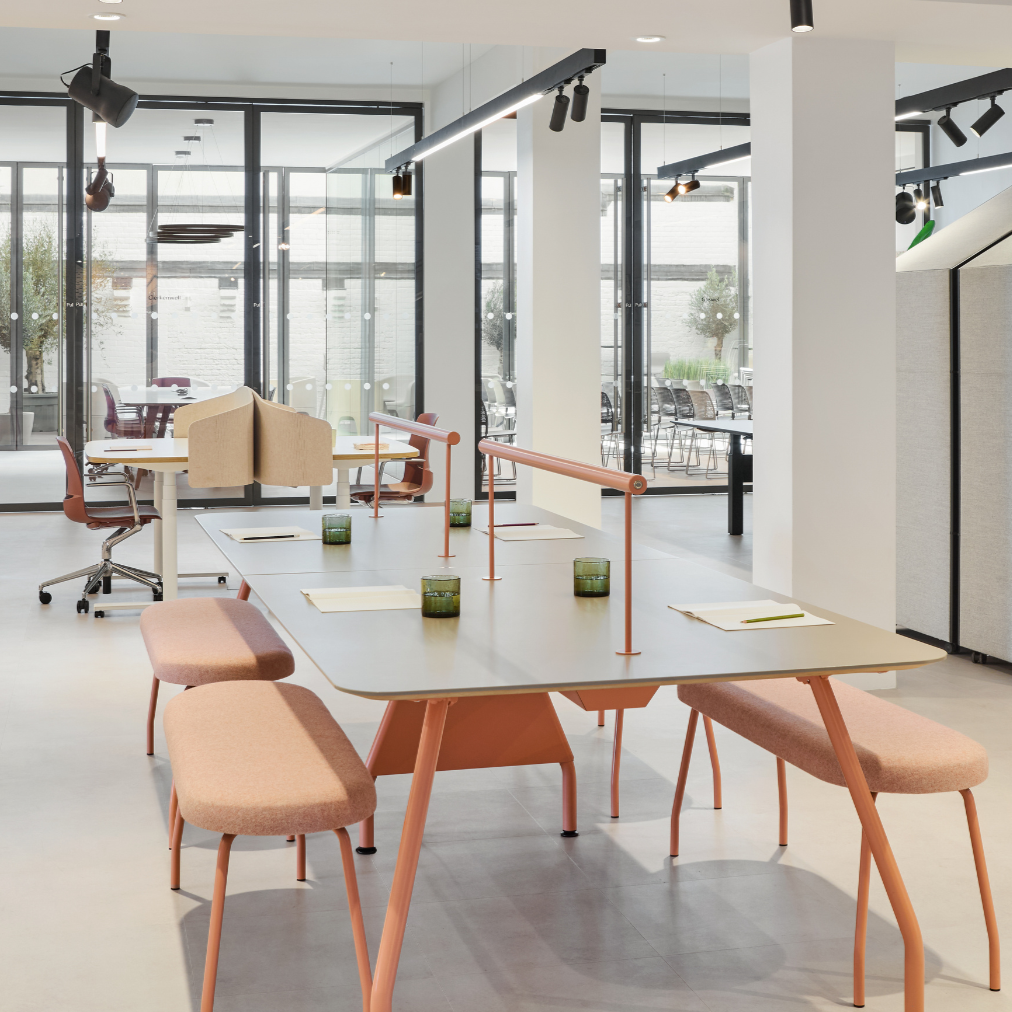
A new product showcase is now on display at the Interstuhl showroom, 17 Brewhouse Yard, Clerkenwell, London. Bringing together two leaders in ergonomic design innovation, HAT Collective and Interstuhl. HAT Collective, known for its Danish manufactured, precision-engineered ergonomic solutions, is now presented alongside Interstuhl’s world-class seating. Together, they offer visitors a single destination for complete ergonomic workspaces, where a fully realised, ergonomic workstation can be specified in one visit. (more…)

Amsterdam’s Workspace Design Show Unveils Sensory-Driven Feature Spaces

Amsterdam’s Workspace Design Show Unveils Sensory-Driven Feature Spaces

The Workspace Design Show showcases the latest transformative workplace interiors products, from furniture, seating, lighting, acoustics, surfaces, biophilia, tech and moreThis November, Workspace Design Show (Wednesday 5th to Thursday 6th November 2025, RAI Amsterdam) doesn’t just ask what the workplace should be; it lets you feel the answer. Five of the Netherlands’ most creative design studios have turned conversation into atmosphere, theory into tactility, and workplace talk into spaces you can smell, hear, shift and claim as your own. (more…)

How modern FNP programs prepare nurses for a changing workplace

How modern FNP programs prepare nurses for a changing workplace

The healthcare landscape is evolving faster than ever before. From the rise of telehealth to new models of patient-centered care, nurses today face a dynamic workplace that demands not only clinical expertise but adaptability, leadership and a commitment to lifelong learning. Family Nurse Practitioner (FNP) programs are stepping up to meet this challenge and equipping nurses with the skills and knowledge necessary to thrive in a changing environment.

Modern FNP programs recognize that healthcare is no longer confined to traditional hospital settings. Graduates may find themselves working in clinics, community health centers, telemedicine platforms or even corporate wellness programs. To prepare for these diverse roles, FNP programs emphasize flexible learning pathways that combine online coursework, simulations and in-person clinical experiences. This hybrid approach mirrors the evolving nature of the healthcare workplace itself where technology and adaptability are essential for success.

For example, a nurse pursuing an FNP program may complete a significant portion of theoretical learning online, allowing them to balance work, family or other commitments while still gaining essential knowledge. Clinical rotations in multiple healthcare settings ensure exposure to a wide variety of patient populations and workplace environments. This combination prepares graduates to adapt quickly and perform effectively no matter where they practice.

Bridging clinical expertise and leadership skills

Healthcare organizations today require practitioners who can make independent decisions, lead teams and coordinate care across multiple settings. Modern FNP programs integrate leadership training, evidence-based practice and interprofessional collaboration into their curriculum. Nurses graduating from these programs are not only clinically competent but also prepared to take on managerial roles, lead quality improvement initiatives and contribute to organizational strategy.

Leadership training often includes exercises in conflict resolution, team communication and project management. Students may participate in simulated scenarios where they lead a patient care team, making decisions under pressure while coordinating with physicians, nurses and support staff. These experiences build confidence and practical skills, ensuring graduates can navigate the complexities of modern healthcare workplaces.

Emphasizing technology and innovation

Digital transformation is changing healthcare delivery. Electronic health records, remote patient monitoring and telehealth platforms are now standard tools in many practices. FNP programs are adapting by incorporating training in healthcare technology, data analysis and telehealth. By familiarizing students with the tools they will use in practice, these programs ensure that graduates are ready to thrive in technologically sophisticated workplaces.

For instance, students may practice conducting virtual consultations or learn to interpret patient data from remote monitoring devices. They also gain skills in digital documentation, privacy compliance and cybersecurity, which are increasingly important when it comes to protecting sensitive patient information. By integrating technology into the curriculum, FNP programs produce graduates who are capable of improving efficiency and patient outcomes through innovation.

Prioritizing well-being and workplace resilience

The pandemic highlighted the critical importance of well-being in the healthcare workforce. Nurses are at risk of burnout due to long hours, high stress and the emotional demands of patient care. Modern FNP programs increasingly focus on self-care, stress management and professional resilience. By fostering emotional intelligence and coping strategies, these programs help nurses sustain long and demanding careers.

Courses may include mindfulness techniques, time management strategies and guidance on maintaining work-life balance. Mentorship programs provide additional support, helping students navigate the challenges of both education and professional practice. Graduates who have been trained to prioritize well-being are better equipped to manage stress, contribute positively to their teams and maintain high-quality patient care over time.

Preparing for the future of healthcare

Modern FNP programs aren’t just about clinical skills. They are about preparing nurses for a rapidly changing workplace that values flexibility, leadership and technological competence. Graduates are ready to meet the challenges of healthcare environments that range from traditional hospitals to community clinics, telehealth platforms and corporate wellness programs. They are equipped to support patient-centered care while also advancing organizational goals and improving workplace resilience.

Healthcare organizations benefit from hiring nurses trained in these comprehensive programs. FNP graduates bring advanced clinical knowledge, strong leadership capabilities and the ability to adapt to new technologies. They are prepared to implement evidence-based practices, mentor junior staff and contribute to innovations in patient care delivery. In short, FNP programs are shaping a workforce that is ready for the demands of modern healthcare.

Building a resilient healthcare workforce

The role of the Family Nurse Practitioner is now more important than ever before. Modern FNP programs prepare nurses to meet the needs of a complex and changing healthcare workplace by combining clinical expertise, leadership training, technological skills and well-being strategies. Graduates leave these programs ready to deliver high-quality care, lead teams and adapt to new challenges. For nurses pursuing advanced education and healthcare organizations seeking a resilient workforce, FNP programs provide the tools and training necessary to succeed in today’s evolving healthcare environment.