June 17, 2026
Worst new buildings list highlights concerns over quality and value in property development
 A satirical architecture award has drawn attention to what its organisers describe as some of the UK’s most problematic recent property developments, with judges arguing that concerns about design quality are increasingly linked to broader issues around procurement, construction standards and development priorities. The Carbuncle Cup 2026, organised by cultural magazine The Fence [subscription], named two joint winners from a shortlist of nine projects completed within the past two years. The award, which seeks to identify the country’s worst new building, was based on public nominations and assessed by a panel including former Architectural Review editor Cath Slessor.
The joint winners were Astley Warehouses, a large logistics facility in Wigan, and Filigree, a residential development in Lewisham, south London. Although the award focuses on architecture, judges said their decision reflected concerns that extend beyond aesthetics. In comments accompanying the award, Slessor argued that both projects symbolised wider problems in the way buildings are commissioned, designed and delivered.
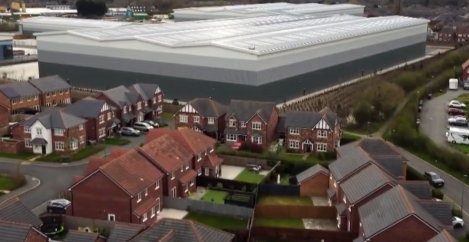
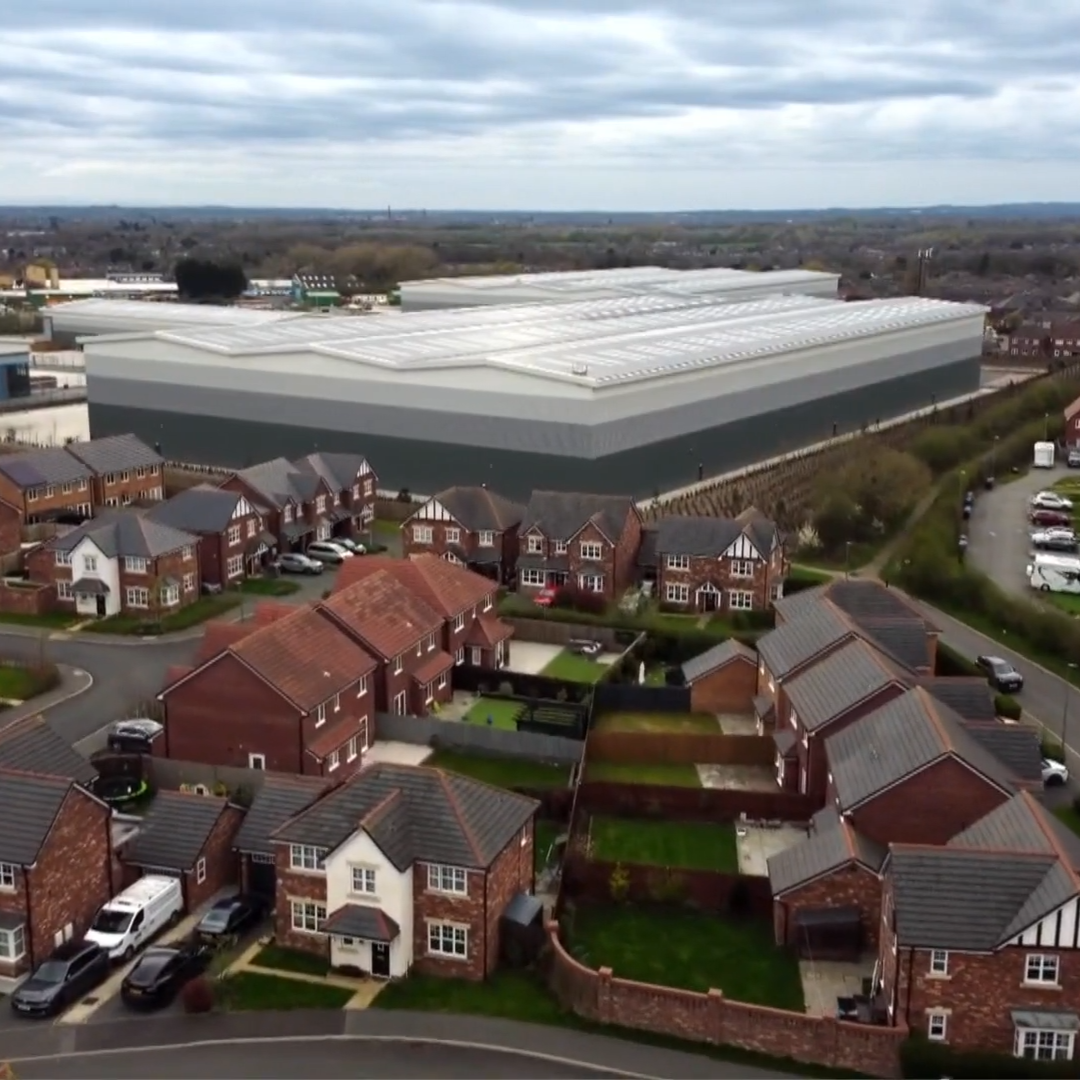
Astley Warehouses attracted significant opposition from local residents and became one of the most nominated projects in the competition. Judges criticised what they described as the scale and quality of the development, suggesting it exemplified concerns about the design standards applied to some industrial and logistics facilities.
The selection is notable given the continuing expansion of the logistics property sector, driven by growth in online retail and demand for distribution space. While warehousing has become one of the UK’s most active commercial real estate sectors, critics have increasingly questioned the visual and environmental impact of large fulfilment centres on surrounding communities.
The second winner, Filigree, forms part of the Lewisham Gateway regeneration scheme. Judges highlighted reported construction and operational problems, including a flood affecting a central plant room that led to the evacuation of residents from multiple buildings.
The development was criticised both for affordability concerns and for defects that residents have documented publicly, including reports of leaks and mould. Several other commercial and mixed-use developments were included on the shortlist. Among them was Cardiff Central Quay, a major mixed-use scheme incorporating offices, hotels and residential accommodation. The judges also criticised Belgrove House near King’s Cross station in London, describing it as oversized and unsympathetic to its surroundings.
Aspen Tower in Canary Wharf was another target, with judges arguing that the completed building failed to match the quality suggested by its original marketing material. Particular criticism was directed at the separation of affordable housing from private residential accommodation within the wider development.
The shortlist also included Art’otel in Hoxton, a hotel development on a former industrial site, and Robeson House, student accommodation commissioned by the London School of Economics.
While the Carbuncle Cup adopts a deliberately provocative approach, the judges argued that the winning schemes reflect broader concerns across the built environment sector. Their comments focused on value engineering, development economics and the pressure to maximise returns, suggesting that these factors can have significant consequences for building quality, occupier experience and relationships with neighbouring communities.
The award comes at a time when scrutiny of the social, environmental and design impacts of commercial and residential development continues to grow, with developers facing increasing expectations around placemaking, sustainability and long-term value creation.