



March 20, 2026
Finland is yet again the world’s happiest country. UK and Canada slide
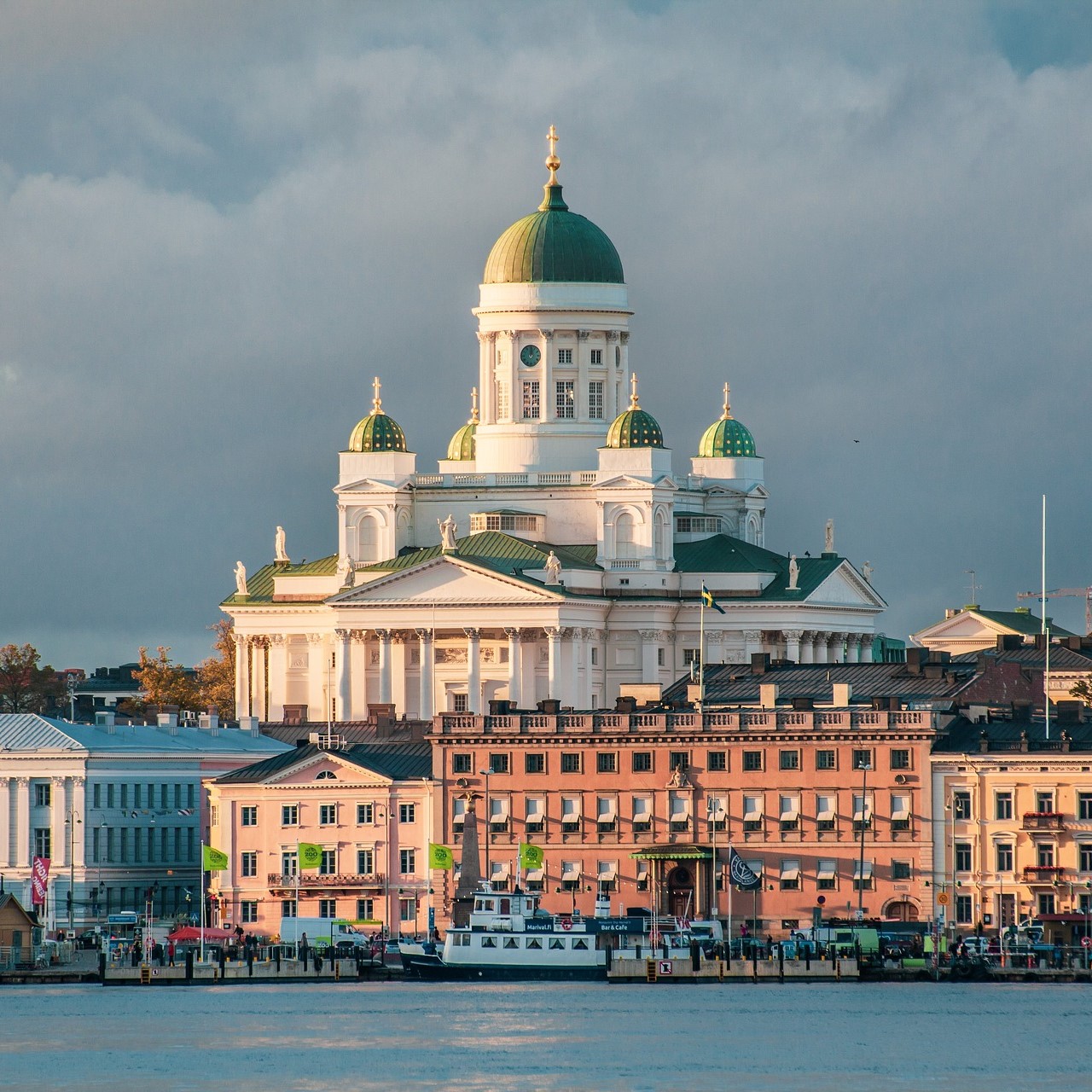 Finland has been named the world’s happiest country for a record ninth consecutive year, according to the World Happiness Report 2026, as new findings highlight a more complex and uneven global picture of wellbeing, particularly among younger people. The Nordic nation retained its position at the top of the rankings with an average life evaluation score of 7.764 out of 10. Its continued dominance comes amid widening contrasts between regions, with several European countries maintaining relatively high and stable levels of wellbeing while English-speaking nations continue to slip down the table.
The report, published by the University of Oxford’s Wellbeing Research Centre in partnership with Gallup and the United Nations Sustainable Development Solutions Network, shows that none of the major English-speaking countries feature in the top 10 for the second year running. New Zealand sits just outside at 11th, followed by Ireland at 13th and Australia at 15th, while the United States, Canada and the UK rank 23rd, 25th and 29th respectively.
In contrast, parts of Central and Eastern Europe continue to close the gap with Western Europe. Countries including Kosovo, Slovenia and Czechia have all recorded steady improvements in recent years, contributing to what the report describes as a broader convergence in happiness levels across the continent.
Finland’s position at the top reflects consistently strong scores across factors such as social support, trust in institutions, freedom to make life choices and low levels of perceived corruption. The rankings are based on a three-year average of people’s own assessments of their lives, rather than purely economic indicators.
Alongside the country rankings, this year’s report places particular emphasis on the relationship between social media use and wellbeing among younger people. It finds that life satisfaction among under 25s has fallen sharply over the past decade in countries including the United States, Canada, Australia and New Zealand, even as global averages for young people have risen.
Evidence suggests that heavy social media use is associated with lower levels of wellbeing, especially among girls, although the report stresses that the effects vary depending on how platforms are used. Systems driven by algorithmically curated content tend to be linked to poorer outcomes, while platforms focused on maintaining social connections are associated with higher levels of happiness.
Young people who spend less than an hour a day on social media report the highest wellbeing, outperforming both heavy users and those who do not use social media at all. However, average usage among adolescents is estimated at around two and a half hours per day.
The findings are drawn from multiple sources, including large-scale international surveys, longitudinal studies and natural experiments. However, the report also notes ongoing debate within the scientific community about how to interpret the evidence, with differences in methodology and emphasis affecting conclusions.
Despite these uncertainties, the data points to a broader pattern in which social relationships and a sense of belonging remain far more important to overall life satisfaction than digital behaviour alone.
The report is released to coincide with the UN’s International Day of Happiness and forms part of an ongoing effort to understand how social, economic and cultural factors shape people’s perceptions of their lives across more than 140 countries.