

March 24, 2026
Greater use of AI linked to more collaborative work patterns, survey claims
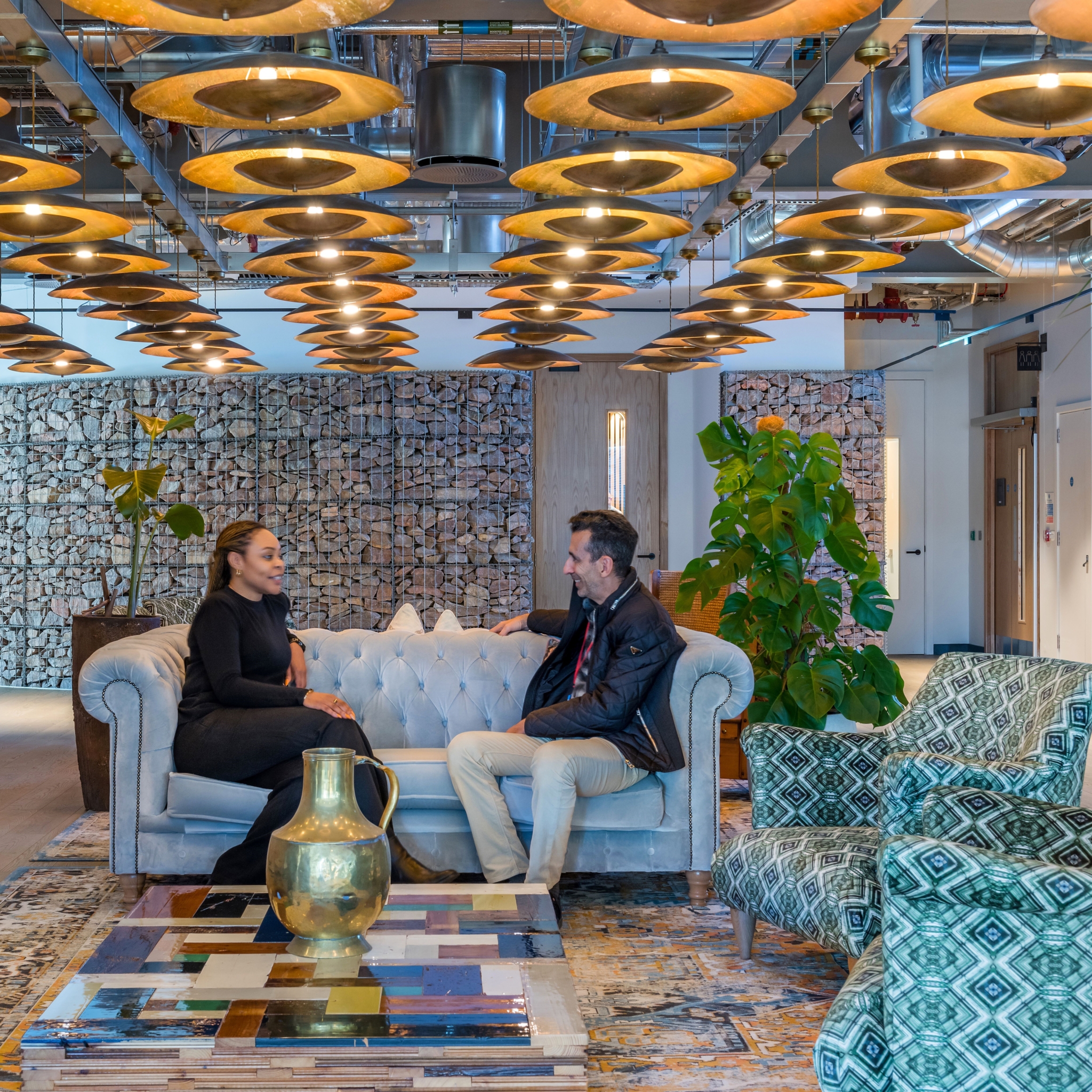 Employees who make frequent use of artificial intelligence (AI) tools are spending less time working alone and more time collaborating and learning with colleagues, according to a new global workplace survey from the Gensler Research Institute. The Global Workplace Survey 2026, based on responses from more than 16,000 office workers across 16 countries, suggests that as routine tasks become automated, work is shifting towards more human-centred activities, including mentoring, problem solving and teamwork.
Around 30 percent of respondents were classified as “AI power users”, defined as people who regularly use AI in both their professional and personal lives. These workers reported spending more time collaborating and learning, as well as stronger relationships with colleagues, compared to less frequent users.
The findings come as organisations continue to refine hybrid working policies while integrating AI into everyday workflows. In Singapore, where office attendance remains comparatively high, employees spend an average of 62 percent of their working week in the office. Around 16 percent of time is spent working from home, with the remainder split across client sites, coworking spaces and travel.
This pattern reflects the continued role of the office as a setting for activities that depend on coordination, access to shared resources and face to face interaction. While hybrid working is now well established, the survey indicates that physical workplaces remain central to how work is organised, particularly for collaborative and learning-based tasks.
At the same time, the research points to a gap between workplace design and the way people are actually working. Two thirds of respondents globally said they adapt or “hack” their work environments to compensate for shortcomings. This includes 65 percent using meeting rooms for focused work, 64 percent taking calls in circulation areas such as corridors, and 43 percent cancelling meetings when suitable spaces are unavailable.
According to Gensler, these behaviours suggest that while office attendance has stabilised in many regions, workplace environments may not yet reflect changing patterns of work, especially as roles become more collaborative and knowledge sharing becomes more prominent.
Yvette Koh, Work Sector Studio Director at Gensler Singapore, said that the impact of AI on workplaces extends beyond automation. She said it has the potential to reshape how people connect and collaborate, while the ways in which employees adapt their surroundings indicate that workplace design has not fully kept pace with these changes.