
April 16, 2026
London BCO Awards winners highlight shift towards reuse and long term workplace design
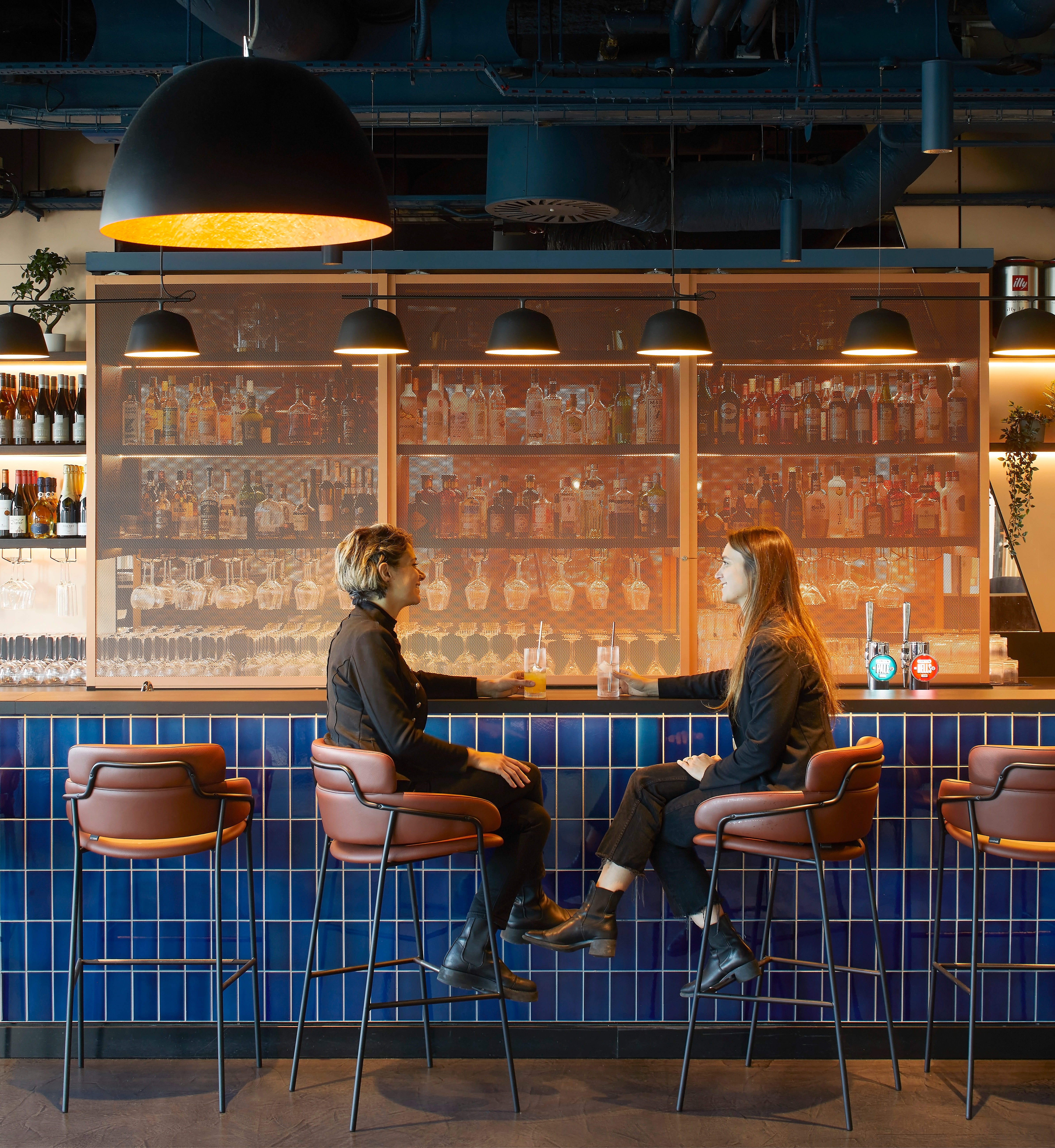 The winners of the British Council for Offices London Awards 2026 have been announced, recognising a series of workplace projects that reflect changing priorities in design, sustainability and social value across the capital. Six schemes were selected as regional winners. Deutsche Bank’s headquarters at 21 Moorfields (main image) was named best corporate workplace, while Stonecutter at 1 Stonecutter Street took the award for best commercial workplace. The best refurbished or recycled workplace award went to 76 Southbank, and Rabobank at 60 London Wall was recognised for best fit out of a workplace. The award for projects up to 2,500 square metres was given to 170 Piccadilly, while TBC.London at 224 to 226 Tower Bridge Road received the ESG award.
Judges pointed to a growing emphasis on reuse and adaptation rather than demolition, with several of the winning projects demonstrating how existing buildings can be reworked into contemporary workplaces. Schemes such as 76 Southbank and TBC.London were highlighted for their use of retained structures, reclaimed materials and approaches aligned with net zero targets.
Angela Joseph, development director at Brookfield Properties and chair of the judging panel, said the projects reflected a more mature approach to complex sites and constraints. She noted that teams had worked over active rail infrastructure and within listed buildings, using those challenges to inform design decisions and improve outcomes. She also highlighted a focus on reusing materials and creating spaces that can support a range of uses over time.
Integrated design emerged as a common theme among the winners, with architects, engineers and interior designers working in closer collaboration from early stages. This approach was evident at 21 Moorfields, delivered by WilkinsonEyre with tp bennett, and at Stonecutter, where tp bennett, Hoare Lea and developer CO RE aligned sustainability and occupier experience within a fully electric building.
Projects were also recognised for social value alongside environmental performance. TBC.London was noted for its use of reclaimed steel and training programmes linked to its construction, while Stonecutter was commended for its focus on education and community engagement. Public realm improvements formed part of several schemes, including work around Moorfields and the South Bank.
Clare Ashmore, chief operating officer at Parkeray and chair of the BCO London committee, said the winners reflected the growing importance of wellbeing in workplace design, alongside wider ESG considerations. She suggested that offices are increasingly expected to support both users and their surrounding communities while remaining commercially viable.
Samantha McClary, chief executive of the BCO, said the projects demonstrated how the office sector is adapting to economic, environmental and social change, with a focus on quality, reuse and long term value.
Among the individual projects, 21 Moorfields was described by judges as a highly integrated workplace delivered above a complex transport interchange, combining flexible workspace with new public routes linking Moorgate and the Barbican. Stonecutter was recognised for its response to local context and its all electric design, alongside its social value programme.
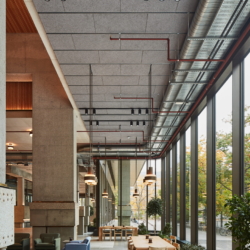
At 76 Southbank, AHMM’s refurbishment of a late work by Sir Denys Lasdun was praised for its careful treatment of materials and its improved relationship with the surrounding public realm, including new entrances and riverside terraces. TBC.London was highlighted for its use of reclaimed steel through urban mining, a handcrafted brick façade supported by training initiatives, and a wider offer that includes affordable spaces and partnerships with the local authority.
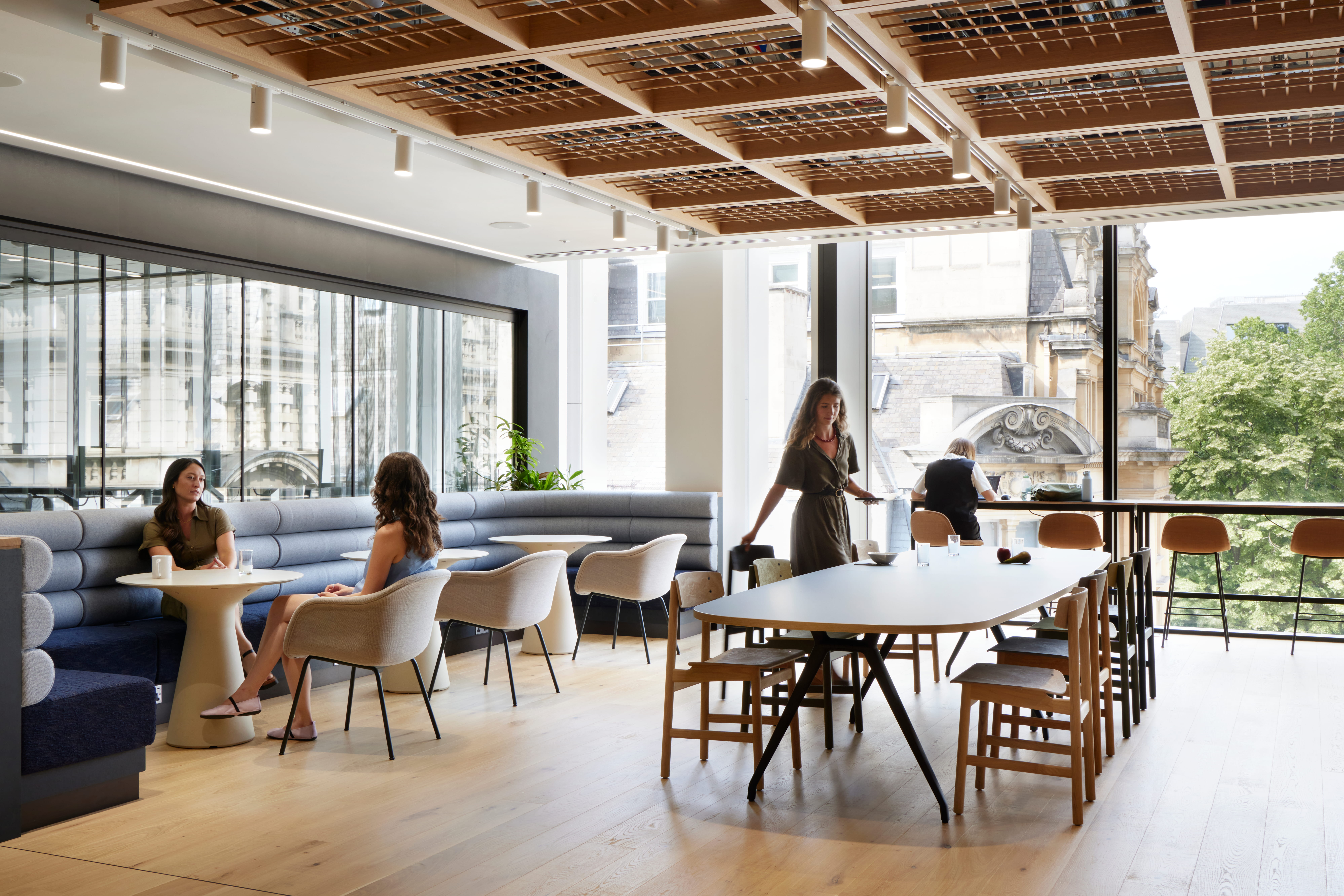
Rabobank’s workplace at 60 London Wall was recognised for its emphasis on reuse, wellbeing and shared spaces, while Pension Insurance Corporation at 22 Ropemaker Street was highly commended in the same category for its flexible layout and provision of terraces and wellbeing areas.
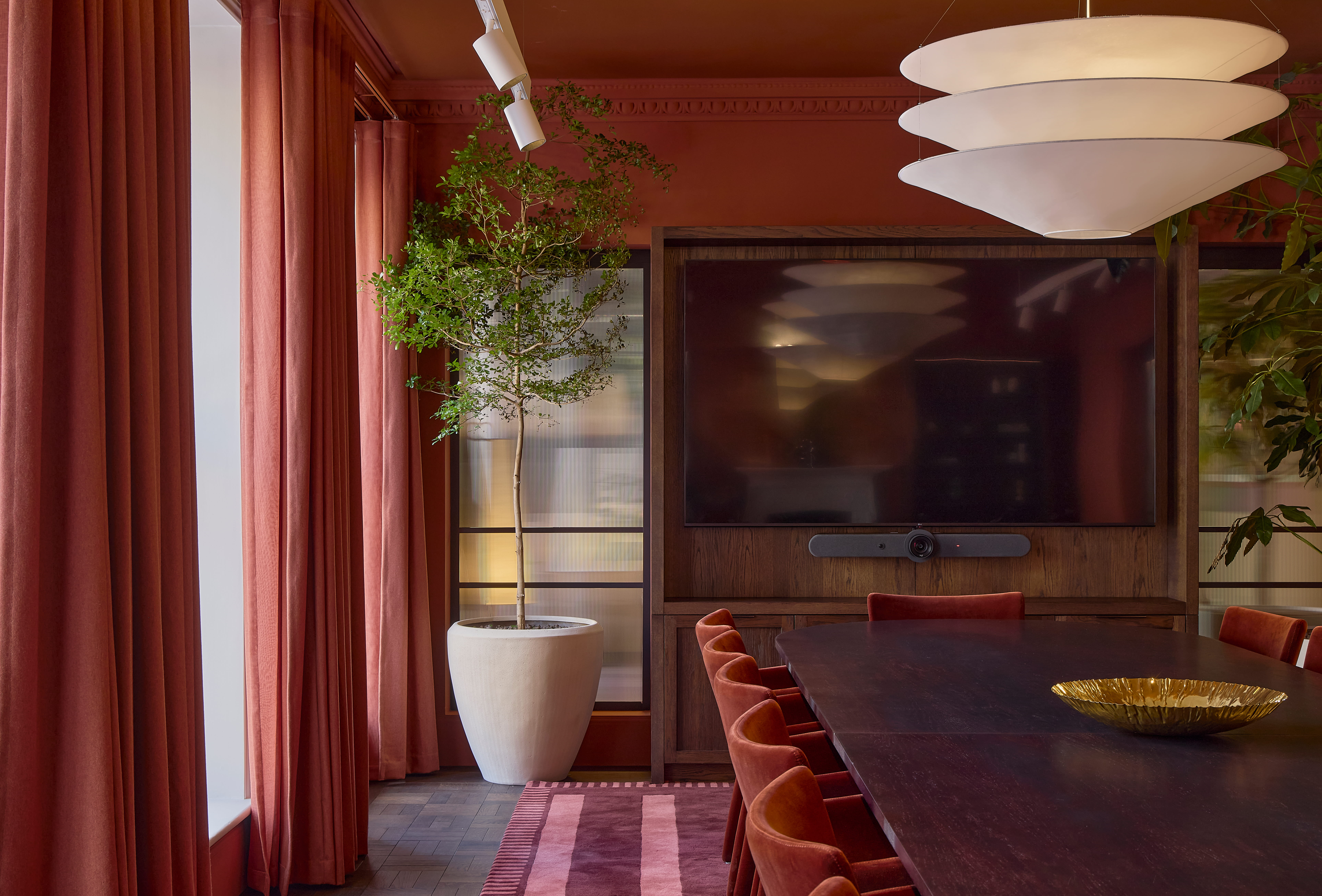
At 170 Piccadilly, judges highlighted the way the scheme balances heritage constraints with contemporary workplace requirements, introducing new amenities such as a rooftop terrace while maintaining strong environmental performance.
The London winners will now go on to compete at the BCO National Awards later this year.
-
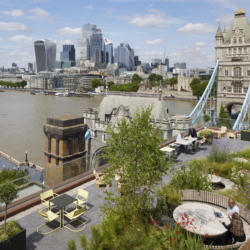
- TBCLondon
-
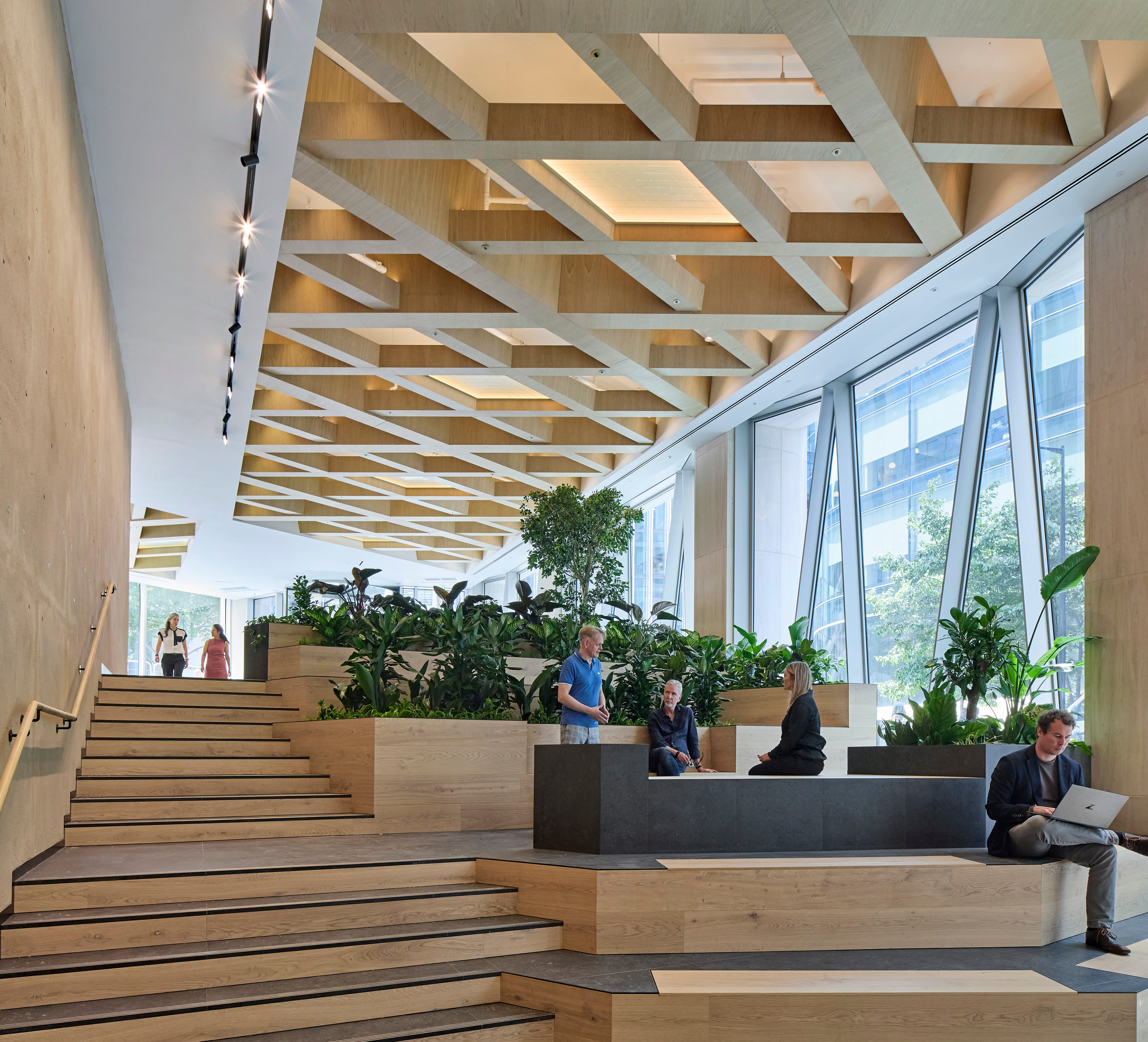
- Stonecutter
-
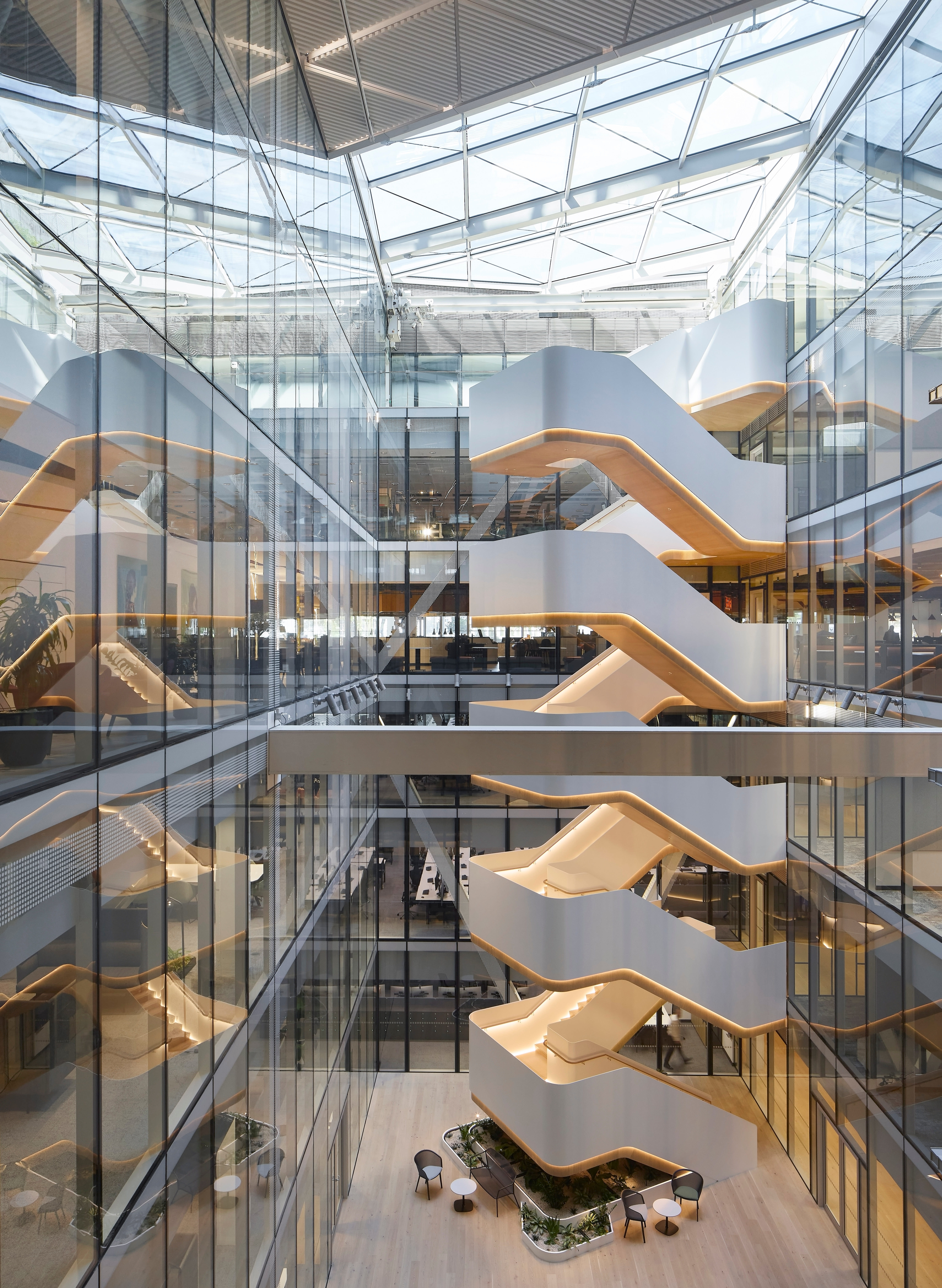
- Deutsche Bank
-
- Rabobank
-
- 170 Piccadilly
-
- Southbank