July 16, 2026
Stirling Prize shortlist shines spotlight on mixed-use regeneration and workplace design
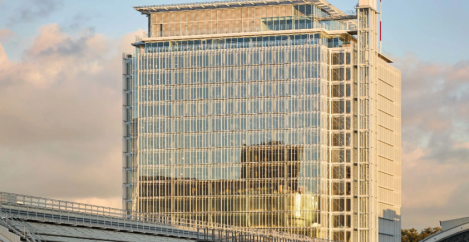
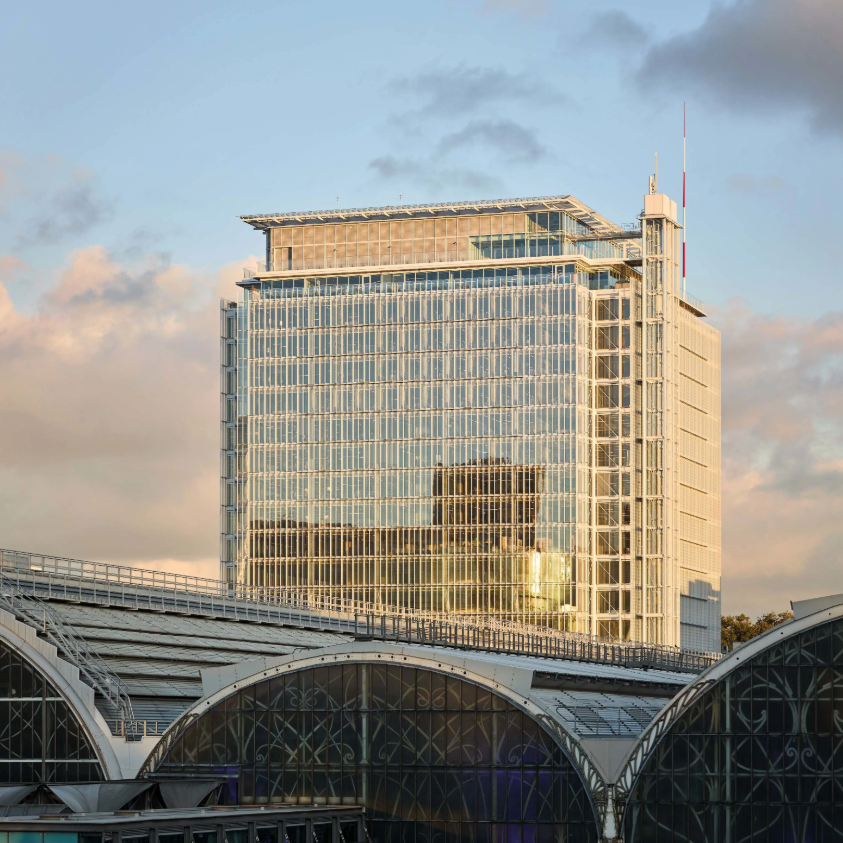 The transformation of one of London’s busiest transport hubs and a major mixed-use commercial development has secured a place on the shortlist for the 2026 RIBA Stirling Prize, highlighting the growing prominence of workplace-led regeneration among the UK’s most celebrated new buildings. Renzo Piano Building Workshop’s Paddington Square is one of six projects shortlisted for British architecture’s most prestigious award. The development combines offices, retail, public space and improved connections to Paddington Station, reflecting the continued importance of mixed-use schemes in reshaping city centres.
The Royal Institute of British Architects (RIBA) announced the shortlist on 16 July, with the winner due to be revealed on 15 October. As the Stirling Prize marks its 30th anniversary, the projects selected demonstrate what RIBA describes as architecture that combines design quality with social value, sustainability and long-term public benefit.
For those involved in workplace and commercial property, Paddington Square is the most significant project on the shortlist. The scheme replaces the long-abandoned “Paddington Pole” proposal with an 18-storey commercial building sitting above the Elizabeth Line and mainline station. Alongside new Grade A office space, it introduces shops, restaurants and a redesigned public realm intended to improve the experience of one of the UK’s busiest transport interchanges.
The project reflects a wider trend in commercial development, in which offices are increasingly conceived as part of mixed-use urban districts rather than standalone business buildings. The integration of transport infrastructure, public spaces and workplace accommodation has become a defining feature of many recent city centre regeneration schemes.
Although only one office-led scheme made the final six, workplace-related projects featured strongly among this year’s wider RIBA National Award winners. These included London’s Space House, the Featherstone Building in Old Street, Plant in Basingstoke, which transformed a 1970s office complex into a low carbon workplace campus, and The Brentford Project, a mixed-use regeneration scheme combining offices, homes and leisure uses.
The remaining Stirling Prize finalists reflect several of the themes currently shaping British architecture. Lion Green Road in south London demonstrates a higher-density approach to suburban housing, while BEAM in Hertford is the conversion of a former theatre into a cultural venue. Two Cambridge college projects, Pembroke Mill Lane and Clare College’s River Wing focus on carefully integrated additions to historic academic estates, while Fairmead House in Essex represents high quality residential architecture.
According to architecture magazine Dezeen, this year’s shortlist is dominated by brick buildings and adaptive reuse projects, with Paddington Square standing out as the only large-scale contemporary glass commercial development among the finalists. The publication also noted the concentration of shortlisted schemes in southern England and the absence of projects from Scotland, Wales and Northern Ireland.
For the commercial property sector, Paddington Square’s inclusion continues a run of recognition for projects that combine workplace design with wider urban regeneration. The 2024 Stirling Prize was awarded to the Elizabeth Line, another project in which transport infrastructure played a central role in reshaping commercial districts across London.
The shortlist suggests that judges continue to place significant value on projects that extend beyond individual buildings to improve the public realm and support broader patterns of urban activity. While housing, education and cultural projects dominate this year’s finalists, Paddington Square demonstrates that commercial developments can still compete for architecture’s highest honours when they contribute to the wider city as well as providing high quality workspace.