June 8, 2026
Optimizing your environment: principles from workplace to home
 It’s pretty amazing how the secrets to a productive, low-stress workplace are often the same ones that make a home feel restful and clear, even for public sector management. Think about it: an office set up for focus and efficiency isn’t all that different from a home designed for relaxation. Once you get these basic ideas, you can really fine-tune both your work and personal spaces. This means you’ll get more done, feel less stressed, and generally enjoy life more. It all starts with realizing that your surroundings aren’t just background noise; they actually play a big part in how well you do each day.
A messy desk or a chaotic office isn’t just a bad look; it actually messes with your performance. When your workspace is a jumble, you waste precious time and brainpower hunting for papers, supplies, or digital files. All that searching creates little interruptions that break your focus and throw off your rhythm. But flip that around, and an organized space gives you a real mental and practical edge. Studies consistently show that the benefits of decluttering at work include feeling less stressed, focusing better, and even being more creative.
The trick is to put a system in place. It doesn’t have to be complicated. Just start with a few easy rules. For instance, the “touch it once” idea means that when you pick up a document or open an email, you deal with it right away: act on it, file it, pass it on, or toss it. Another smart move is to set up specific spots on your desk and in your computer folders. Have one place for new tasks, another for things you need to look up, and an area for tools you use daily. These small habits really add up, turning a reactive, messy space into a smooth, proactive control center. Just following a few essential clean office tips can seriously boost your daily productivity and overall mood.
Decluttering for clarity
There’s a deep connection between physical clutter and mental clutter. When your surroundings are messy, your mind gets bombarded with too much stuff, forcing your brain to work overtime trying to figure out what’s important. This can lead to a constant, low-level mental overload, making it tough to focus, make decisions, and think clearly. Experts often point out the benefits of decluttering for mental clarity, meaning that when you tidy up your physical world, your mind naturally follows suit. Clearing your space really does help clear your head.
That overwhelming feeling you get from a stack of papers at work can also pop up when your kitchen counter is buried in mail, your garage is packed with unused items, or your closet is overflowing with clothes you don’t wear anymore. It’s a bit like looking at a yard full of leaves and thinking about a new cordless leaf blower. Decluttering is really about choosing what gets to stay in your life, both physically and mentally. This process helps you let go of the past, focus on what’s happening now, and make thoughtful choices about your future. The simple truth is that clear spaces create clear thinking, whether that’s in a boardroom or a bedroom.
Smart tools for home maintenance
Bringing office efficiency home means thinking “work smarter, not harder.” At the office, you use software, communication tools, and comfy chairs to do your job well. The same idea applies to keeping your home running smoothly. Using the right tools doesn’t just save tons of time; it also makes household chores less physically and mentally draining. Take an untidy yard, for example. It can be a constant eyesore and a nagging item on your to-do list.
Keeping outdoor areas neat can feel like a never-ending battle with nature, but modern tools make it so much easier. Instead of spending hours with a rake and bags, a powerful, lightweight cordless leaf blower can clear your patio, driveway, or lawn in minutes. This one tool drastically cuts down the effort for a common outdoor task, freeing up your time and mental energy for more enjoyable things. It’s just like the business idea of using special equipment to get more done with less effort. This applies to other parts of your home too, from robot vacuums that handle daily floor cleaning to smart sprinklers that manage your garden, letting you keep things tidy without much hands-on work.
Creating a restful retreat
While a well-tuned workspace aims for productivity, a well-tuned home is all about restoration. Your home should feel like a sanctuary, a place where you can unwind, recharge, and escape the daily grind. The same thoughtful design and organization that help you focus at work can also create a peaceful vibe at home. It’s about building an environment that truly supports your well-being.
Start by giving different areas in your home a specific purpose. A comfy chair and a soft lamp can become your dedicated reading nook. Having a special spot for hobbies keeps all your supplies together and makes it easy to dive into activities you love. In the bedroom, really focus on making it a calm space. That means no work papers, exercise gear, or too many electronics. Think soft lighting, cozy fabrics, and a tidy bedside table. By purposefully designing each space for what it’s meant for, you avoid the mental mess of a room trying to do too many things, and instead, create a home that truly feels like a getaway.
Continuous improvement cycles
Getting things optimized isn’t a one-and-done deal; it’s an ongoing process of making things better. In the business world, they call this continuous improvement: making small, regular changes that lead to big results over time. This same approach works wonders when you’re managing your home and work environments. Instead of waiting for clutter and disorganization to become overwhelming, you can set up simple, regular routines to keep things in order.
For your workspace, this might mean a 10-minute tidy-up at the end of each day or a weekly clean-up of your digital files. At home, it could be a “one in, one out” rule for new purchases to stop things from piling up, or a seasonal decluttering session for your closet and pantry. Scheduling regular maintenance, like cleaning gutters or checking smoke detectors, stops small problems from turning into big, stressful ones. By breaking down the huge task of “getting organized” into small, manageable habits, you create a sustainable system that works for the long haul. This way, optimizing your surroundings goes from a daunting project to a simple part of your daily and weekly routine.
This cycle of checking, adjusting, and improving makes sure your spaces keep supporting your goals, whether that’s being productive at the office or truly relaxing at home.
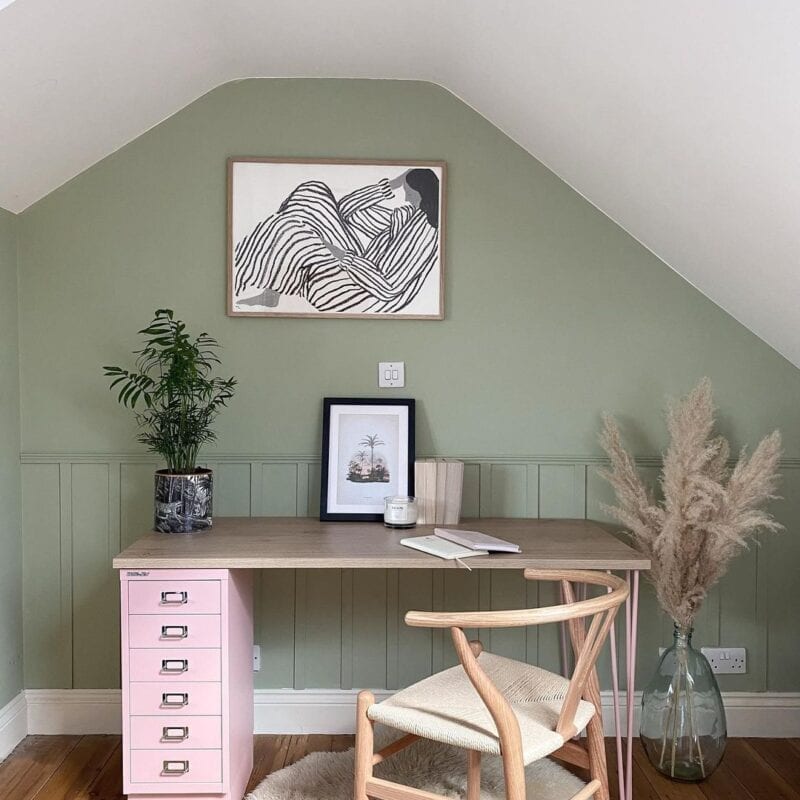
Main image: Bisley