


April 8, 2026
Women working from home or on reduced hours at greater risk of damaging their career
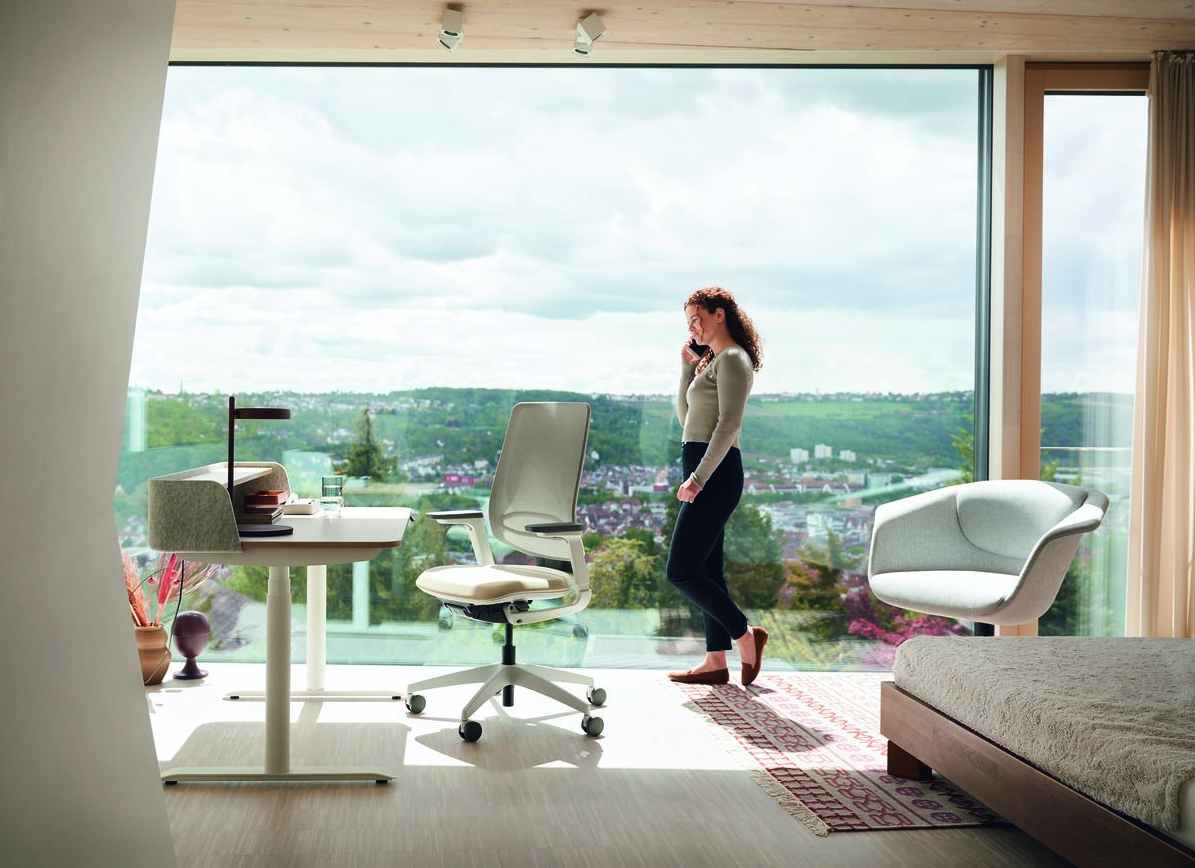 Women working from home or on reduced hours are at greater risk of losing their professional and managerial careers, but men are not affected, new research suggests. Women professionals not working a standard week in the office were more likely to end up in less prestigious careers than those in full-time work, the study found. Sizhan Cui, of the University of Oxford, analysed survey data on 11,981 British women and 9,829 men gathered from 2010-2024 to link changes in careers to the use of flexible working arrangements such as working from home, part-time work, job sharing and flexitime.
Ms Cui, who carried out the research for her PhD, found that professional women who took advantage of flexible arrangements were 19 percent more likely to have downsized to a non-professional career two years later than those who did not. Men’s use of flexible arrangements did not result in a change of work status, which the author claims may be because using them was perceived by employers as exceptional and commendable.
Women without children or with children of secondary school age were most affected, probably because employers felt they did not need to take up flexible arrangements, unlike those with small children, and this displayed a lack of commitment.
“Women who use flexible working arrangements face a higher likelihood of downward mobility,” Ms Cui will tell the annual conference of the British Sociological Association in Manchester today [Wednesday, 8 April].
“Employees who use flexible working arrangements may be viewed as less committed, less available or less promotable, contributing to what has been termed the flexibility stigma. The effect for women varies by family context – those with preschool-aged children are not penalized, while women without young children face elevated risks, suggesting that flexibility is viewed more negatively when not tied to caregiving. In contrast, men who used flexible arrangements were no more likely to have downsized their careers. Men’s use of flexible arrangements is sometimes perceived as exceptional or commendable and is therefore less likely to harm career outcomes.”
Ms Cui adjusted the data to exclude factors such as age, race, marital status, illness, income and education in order to study the effects of flexible working in isolation.