August 5, 2026
A beacon of hope in an uncertain world. Works magazine 20 digital edition is here for you
 The digital edition of issue 20 of Works magazine is now available for you to read here. The new issue explores a workplace sector that is becoming increasingly confident about its future, even as it navigates rapid technological, social and economic change. The latest edition brings together major workplace projects, design debates and industry commentary that point to a common theme: the enduring value of connection, community and shared experience in an age of uncertainty.
We explore LinkedIn’s new Munich headquarters to see how workplace design is evolving beyond traditional office planning towards environments that support learning, culture and belonging. Designed by Gensler, the project draws on the character of Munich itself, creating what the company describes as a “village for a million people” and offering a model for how global brands can create workplaces rooted in local identity.
Elsewhere in this issue, Deutsche Bank’s new headquarters at 21 Moorfields in the City of London shows how transport infrastructure can drive urban regeneration, investment and workplace innovation. The project highlights the growing importance of connectivity, sustainability and employee wellbeing in major corporate developments, taking full advantage of its location (literally) above the Elizabeth Line.
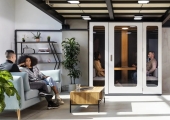
Artificial intelligence is (predictably) a recurrent theme. A visit to PolyAI’s London headquarters examines how one of the firms helping to shape the future of AI has designed a workplace that remains firmly centred on human interaction. The project illustrates a growing recognition that while technology continues to transform work, innovation still depends on collaboration, culture and face-to-face engagement.
The magazine also tackles some of the wider forces influencing workplace design. Industry legend Theresa Dowling invites some of the world’s leading architects and designers to discuss the realities of operating in an increasingly international market, debating everything from cultural identity and planning systems to ethics and the opportunities emerging in regions such as the Middle East.
Meanwhile, a feature on the psychology of distraction revisits the famous “cocktail party effect”, exploring why attention has become one of the most valuable resources in contemporary workplaces. The article connects advances in neuroscience with the practical challenges of designing offices that support concentration, collaboration and wellbeing.
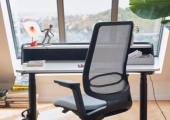
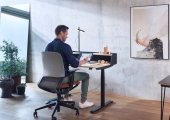
The issue also celebrates the products, materials and ideas shaping the sector. A substantial showroom section highlights innovations from manufacturers including Bisley, Flokk, KI, Sedus and Herman Miller, while a dedicated materials focus showcases advances in sustainable design and circular economy thinking. Commentary pieces explore topics ranging from the future of social media to the growing momentum behind furniture reuse and remanufacturing.
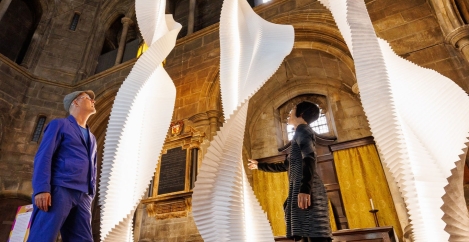
There is also a comprehensive review of Clerkenwell Design Week, now in its 15th year. It just goes from strength to strength. What we reckon is that the event’s success lies not just in the products on display but also in its role as a place for designers, manufacturers and workplace professionals to come together to exchange ideas and build relationships in real time and real space.
Elsewhere, readers will find discussions on sustainability, workplace culture, neurodiversity, hospitality-inspired design and the increasingly important relationship between physical space and human experience. Together, the features present a picture of an industry focused not only on creating better workplaces but on creating better conditions for people to connect, collaborate and thrive.
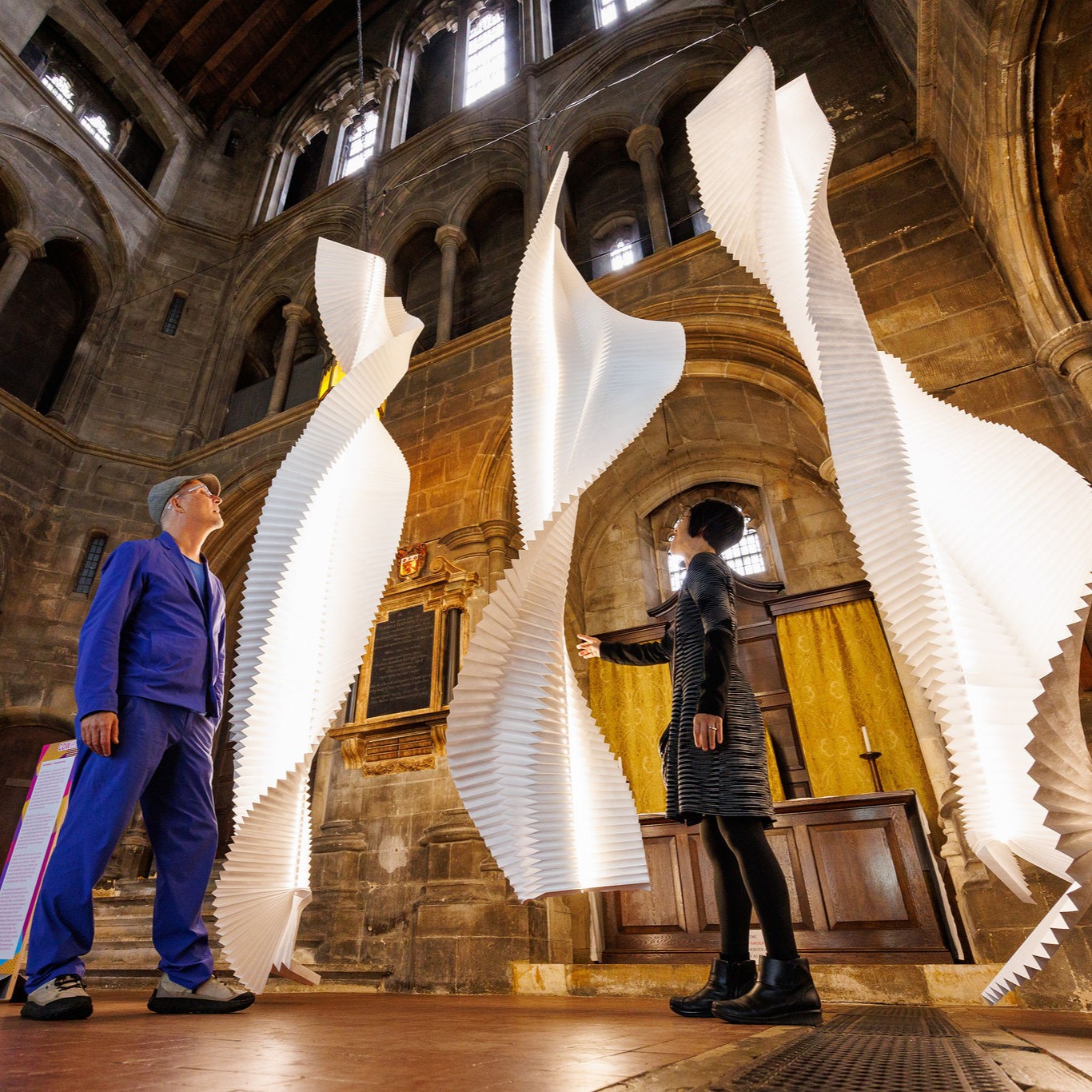
Main image: Fung+Bedford Resonance installation at Clerkenwell Design Week. Photographer: Sam Frost