




July 16, 2019
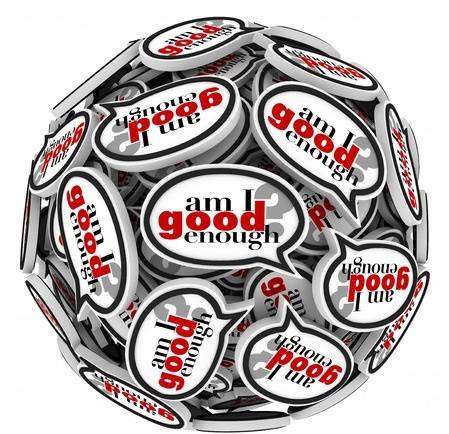
Impostor syndrome may have serious impact on mental health
 According to a new study from researchers at the University of Houston, impostor syndrome can have serious consequences for mental wellbeing and can affect people’s personal relationships and home life. Those affected by impostor syndrome – the persistent feeling somebody has that they are not qualified or able to be in a work role – are more likely to report problems in their home lives, experience burnout and to have conflict between work and family roles. Additionally, although work-life balance problems weren’t necessarily linked to lower job satisfaction, emotional exhaustion was. (more…)
 Impostor syndrome (where we feel like we are ‘faking it’ at the job we are doing) could be holding back many senior executives from realising their potential – according to new research from Dropbox on the state of teamwork within businesses in the UK. The research, which marks the launch of a new study, conducted in conjunction with philosophers at The School of Life reveals that 80 percent of Chief Executive Officers (CEOs) and 81 percent of Managing Directors say they sometimes feel ‘out of their depth’ and as if they are ‘struggling’ in their role. The research investigates behaviours in business that are limiting to great teamwork. Being averse to disagreeing with others – often seen as a typically British trait – is identified as a key issue holding back teams within British business. The data also claims that two thirds of British workers (69 percent) say that they aren’t comfortable disagreeing with others at work.