




Search Results for: flexible

Actionable workplace wellness initiatives for small businesses

Actionable workplace wellness initiatives for small businesses

Wellness initiatives, however, can serve as a practical and powerful solution. When done thoughtfully, they help reduce stress, improve morale, and create a work environment where people feel supportedAmerican workplaces are going through big changes now. Employee engagement has hit a ten-year low. Small businesses often feel these pressures more intensely than large corporations. Limited resources make turnover and declining morale especially difficult for small firms. When even one employee feels overwhelmed or disengaged, the impact can ripple through an entire team.

Wellness initiatives, however, can serve as a practical and powerful solution. When done thoughtfully, they help reduce stress, improve morale, and create a work environment where people feel supported rather than stretched thin.

In this article, we’ll share a few actionable workplace wellness initiatives that can help you foster healthier habits, stronger engagement, and long-term resilience.


1 Encourage Flexible Work Options

The traditional nine-to-five office hours are quickly becoming a thing of the past. Many employees now value flexibility just as much as salary. Flexibility helps your team balance their work and their actual lives. This reduces stress and prevents that burnout we all fear.

Around 76% of businesses in the UK already offer flexible work options to their employees.

You do not have to go fully remote if that does not fit your small business’s model. There are so many ways you can give your team more control over their time. One common way is to offer telecommuting or remote work. This lets people work from home some or all of the time. It saves them a long commute and saves you on office costs.

If your team needs to be in the office, try flexible hours or flextime. This lets them choose their own start and finish times. You can also look into compressed workweeks. This is where employees work their 40 hours in fewer days.

A popular choice is working 10 hours for 4 days. This gives them a 3-day weekend every single week. This model is great for high-workload industries, such as retail, healthcare, or manufacturing.


2 Foster Happiness with Growth Opportunities

People want to feel like they are moving forward. When employees feel stuck, they start looking for the exit. Offering growth opportunities is a huge part of wellness. It keeps the mind sharp and reduces stress about the future.

For a small business, you might not have a big training budget. That is okay. You can check out the Small Business Association (SBA) Learning Platform. It offers online courses on everything from managing a team to marketing for free. Then there is SCORE. This is a network of retired executives who offer free mentoring.

For those looking to advance their careers, you could offer partial tuition reimbursement for continuing education.

Healthcare roles offer a relevant example. Nurse practitioners are expected to remain in high demand through 2031. Many bedside nurses aspire to move into these advanced practice roles.

Supporting an employee who wants to pursue an MSN-FNP degree can make that goal far more attainable. MSN-FNP stands for Master of Science in Nursing–Family Nurse Practitioner. Rockhurst University explains that this program helps registered nurses transition into primary care for patients of all ages.

Many universities now offer the MSN-FNP degree online. By opting for online degrees, employees can continue working while expanding their skills. Supporting education like this builds loyalty, confidence, and a healthier, more engaged workforce.


3 Create a Comfortable and Healthy Physical Workspace

The physical office environment directly affects how people feel. Small changes in lighting and furniture can boost productivity. These improvements prevent chronic pain and eye strain.

As a small business, you do not need a total redesign to make a difference. You just have to be creative with your space.

Sitting for too long can lead to chronic back pain. Ergonomic chairs support the spine and reduce physical fatigue. High-end chairs are expensive, but there are cheaper options. Lumbar support cushions can make a standard chair better.

Standing desks allow employees to switch positions all day. Standing desk converters are a great low-cost alternative.

Lighting is often overlooked in workplace design. Poor light causes digital eye strain for many workers. This is known as computer vision syndrome or CVS. Data shows that nearly 70% of workers suffer from CVS. Symptoms include headaches, blurred vision, and dry eyes.

Combine overhead and adjustable task lights to customize their environment to prevent discomfort.

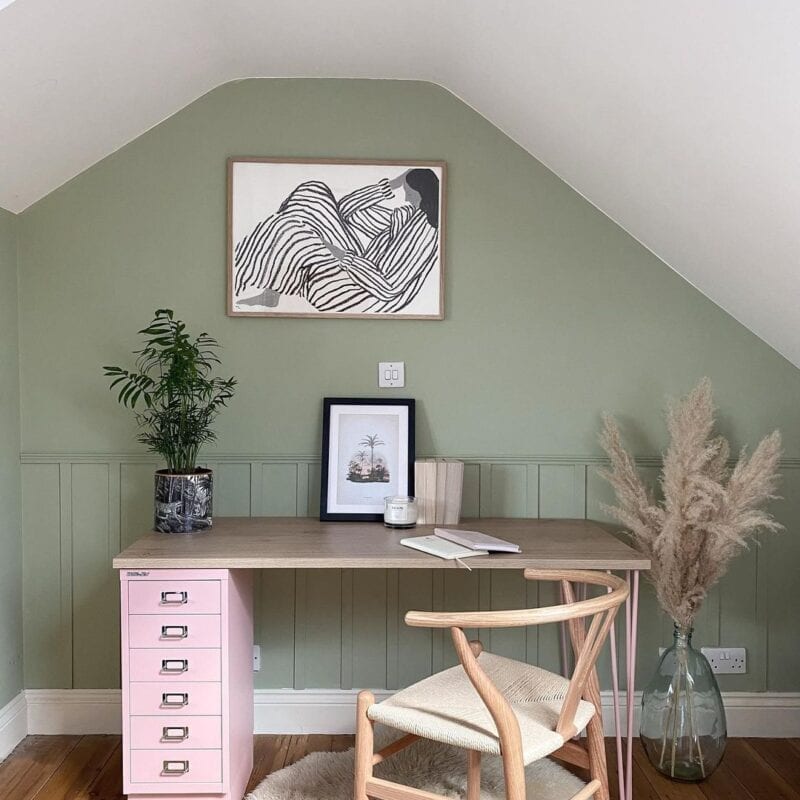
Plants lower stress and improve the air we breathe. They can even absorb radiation from our electronic devices. Bring in plants like pothos and snake plants. These are quite affordable and nearly indestructible in an office setting.

Small Steps, Big Impact

Workplace wellness doesn’t require a big budget or a long list of policies. For small businesses, it’s about intention, consistency, and genuine care.

You do not have to do it all at once, however. The key is to start small. Pick one or two initiatives that feel doable right now and build from there. Over time, these small actions create a culture where people feel supported, not just as employees, but as humans. And when your people thrive, your business does too.
How business leaders can support disabled people in the workplace

How business leaders can support disabled people in the workplace

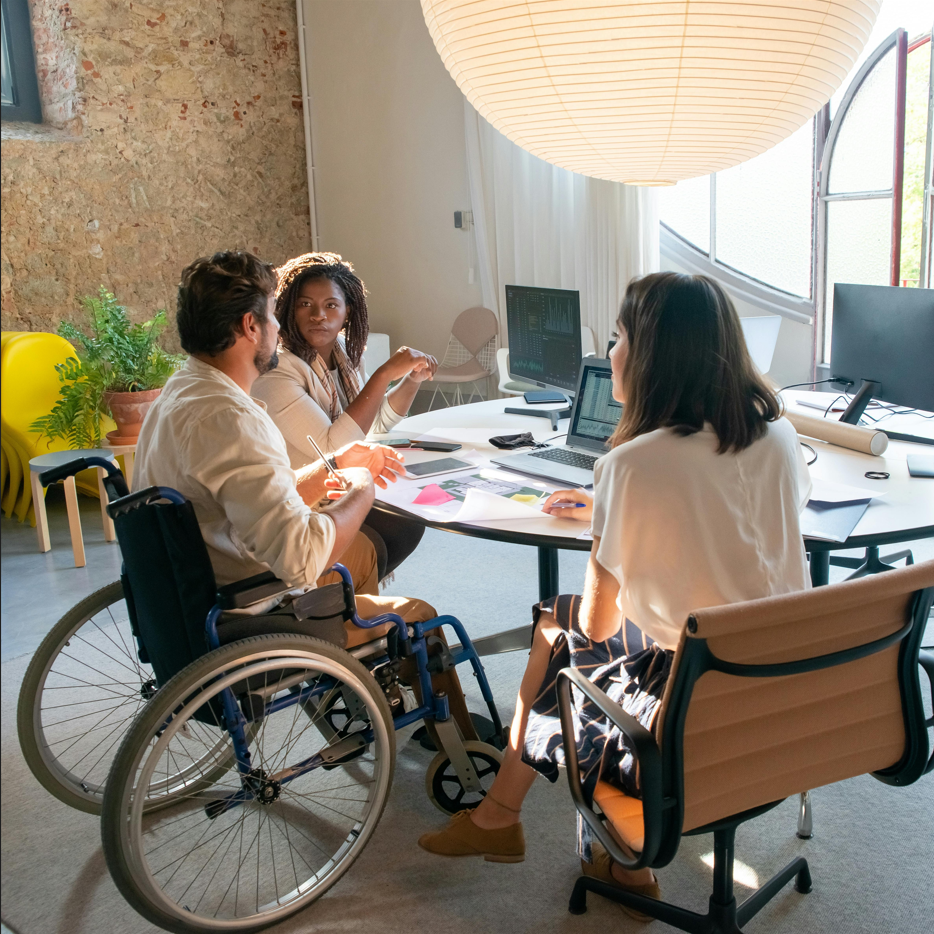
For differently abled people to perform optimally, business leaders must actively help them feel comfortable in the workplace. This requires an extensive support system.Disabilities are more common than we may realize, affecting the everyday lives of real people in heartbreaking ways. The CDC observes that over 28 percent of people in the US suffer from one or more physical disabilities. These could be related to cognition or mobility, vision, or hearing. Sometimes, a tragic accident may leave you in this condition. Or a genetic disorder, such as Tay-Sachs disease or cystic fibrosis, may flare up.  Whatever the cause, the result is generally the same. Prolonged physical and mental stress that complicates your personal and professional life in the workplace. (more…)

The role of local businesses in promoting mental health and wellbeing

The role of local businesses in promoting mental health and wellbeing

Once seen as an individual responsibility, mental health is now recognised as a shared, community wide issue.Across the UK and over recent years, there has a change in how the general public views mental health and wellbeing. Once seen as an individual responsibility, mental health is now recognised as a shared, community wide issue. Our mental health is both our individual and collective responsibility and requires effort from family members, workplaces and organisations. For many, the workplace is where they spend most of their time. For others, local cafés, gyms, hairdressers, or local shops are their daily social spaces. These are the places that people connect, relax, and interact with other people. It’s in these spaces that local businesses have a unique power to influence how people think and feel as well as their mental health. (more…)

Neuroinclusive workspace design – addressing the current industry shortfalls

Neuroinclusive workspace design – addressing the current industry shortfalls

There is one area which is emerging as the next critical evolution in workplace strategy: neuroinclusive workplace designIn recent years, there have been significant developments in making workplaces more inclusive and accessible for a diverse range of individuals. However, there is one area which is emerging as the next critical evolution in workplace strategy: neuroinclusive workplace design. Neurodivergent employees often bring unique strengths in areas like innovative problem-solving, meticulous attention to detail, and exceptional pattern recognition, but many workplaces are still failing to adequately accommodate these individuals. (more…)

JLL sets out the five key corporate real estate trends for next year

JLL sets out the five key corporate real estate trends for next year

A new analysis from JLL claims to highlight how global occupiers are rethinking corporate real estate as a strategic tool for talent, culture and performanceA new analysis from JLL claims to highlight how global occupiers are rethinking corporate real estate as a strategic tool for talent, culture and performance rather than treating it purely as a cost. The report identifies five priorities expected to influence workplace strategy in the year ahead, reflecting continued pressure on portfolios alongside rising expectations for employee experience and sustainability. JLL says organisations are increasingly shifting to more flexible “elastic portfolios” as they look to balance cost control with growth. Office utilisation remains well below target levels, prompting a move away from long, fixed leases in favour of portfolios that can expand or contract according to market conditions, workforce needs or new business opportunities. The firm argues that portfolio management is now closer to a continuous process than a periodic exercise.

(more…)

Four built environment projects named the winners of the 2025 ULI Europe Awards for Excellence

Four built environment projects named the winners of the 2025 ULI Europe Awards for Excellence

This week, four real estate projects were named the overall winners of the 2025 Urban Land Institute (ULI) Europe Awards for Excellence from this year’s ten finalists. The winning projects include a social housing project in Milan situated on an abandoned office development site, a new secondary school in Brussels developed in a former brewery, a new flexible life sciences hub in Stockholm, and an acute healthcare facility in Birmingham which is intended as a catalyst for community regeneration. (more…)

Why smarter scheduling is becoming workers’ favourite benefit

Why smarter scheduling is becoming workers’ favourite benefit

In late 2023, The Conference Board asked more than 1,500 US employees which non?salary benefits matter most. 65 percent put workplace flexibility at the top of the list, above bonuses, paid time off, retirement plans and even healthcare.  In 2025, Gallup found that among over 10,000 US workers, 59 percent rated “greater work–life balance and better personal wellbeing” as a very important reason for taking a new job, more than any other factor for the third year running. (more…)

For the first time in its history, ORGATEC has an overarching theme

For the first time in its history, ORGATEC has an overarching theme

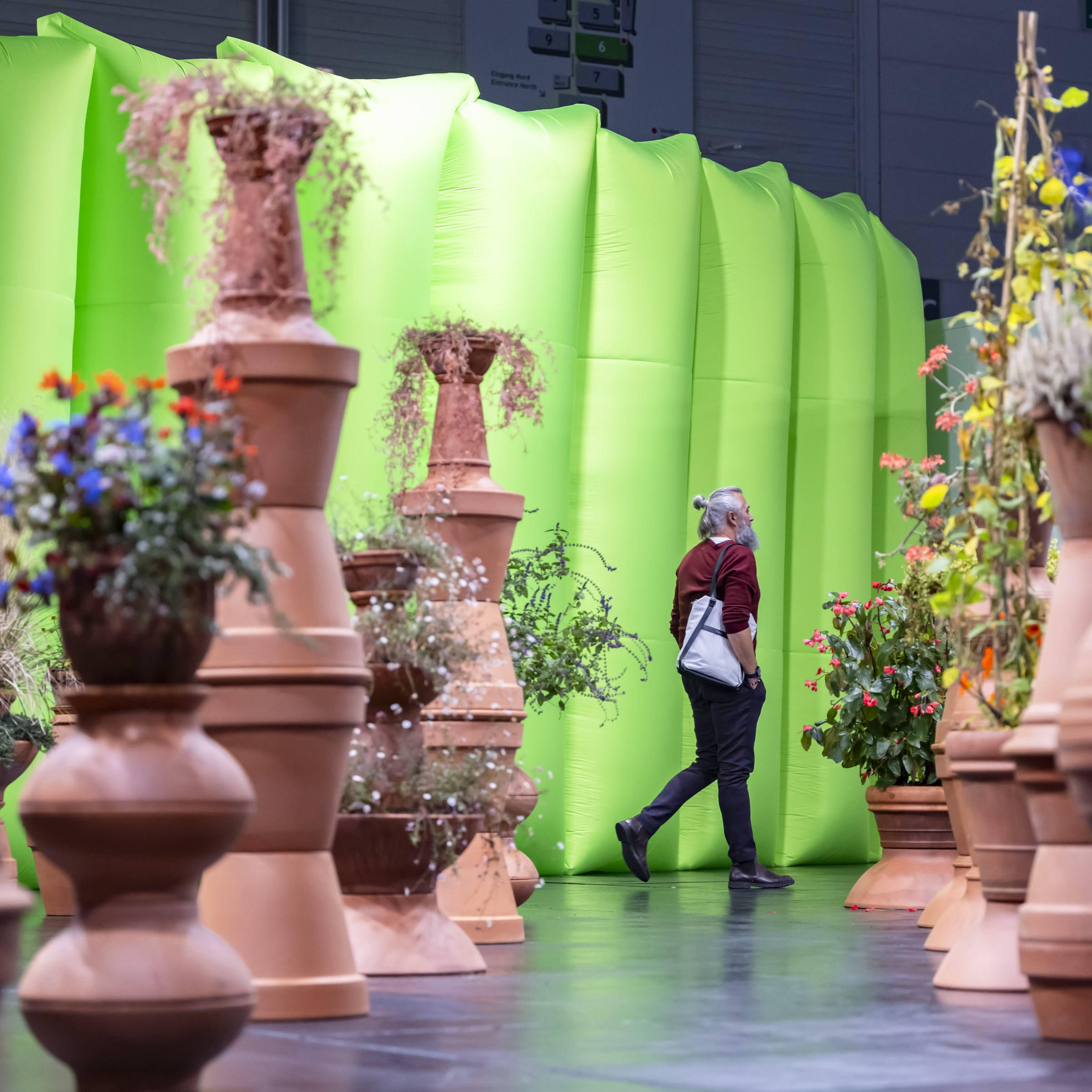
ORGATEC, the biannual international trade fair for the workplace sector, has announced the first central theme in the event’s history as it prepares for its 2026 edition.ORGATEC, the biannual international trade fair for the workplace sector, has announced the first central theme in the event’s history as it prepares for its 2026 edition. Under the title From rooms to relationships: designing spaces in an ever-changing world, the fair will shift its focus towards the role of human experience in the design of work and contract environments. The event, which takes place in Cologne from 27 to 30 October 2026, aims to highlight how functional settings can evolve into places that support connection, collaboration and a sense of belonging.

(more…)

Lords Committee calls for clearer policy to address the future of home working

Lords Committee calls for clearer policy to address the future of home working

home working is now firmly embedded in the UK’s labour market but requires more coherent policy, better evidence and improved supportA House of Lords committee has called for a more coherent national approach to remote and hybrid work, warning that unclear responsibilities, inconsistent data, gaps in employer guidance and uneven access to flexible work risk undermining the UK’s ability to adapt to long-term changes in working patterns. According to the report, Is Working From Home Working?, published today (13 November) the rapid rise in home-based working since the pandemic has outpaced the Government’s ability to coordinate policy or collect reliable data. Responsibility for remote work is “split across government departments”, the Committee notes, with implications for employment, transport, digital infrastructure and housing policy. (more…)

Canary Wharf leasing activity continues to improve

Canary Wharf leasing activity continues to improve

Office leasing activity at Canary Wharf has risen sharply this year as higher rents in other parts of London prompt more occupiers to consider the Docklands district.Office leasing activity at Canary Wharf has risen sharply this year as higher rents in other parts of London prompt more occupiers to consider the Docklands district. Data from CoStar suggests that the availability of office space at Canary Wharf has fallen to below 10 percent, its lowest level since 2018. Two years ago, vacancy stood at about 23 percent. More than 500,000 square feet of space has been leased so far in 2025, the highest level since 2019, with further deals expected before the end of the year. (more…)

Coworking space numbers rise across UK and Ireland

Coworking space numbers rise across UK and Ireland

The number of coworking spaces in the UK and Ireland has reached a new peak, according to new industry data, signalling the continuing shift in how offices are being used.The number of coworking spaces in the UK and Ireland has reached a new peak, according to new industry data, signalling the continuing shift in how offices are being used. Data from CoworkingCafe’s third quarter 2025 report show around 4,315 coworking locations across the region, of which approximately 4,048 are in the UK and 267 in Ireland. In the UK the distribution is heavily concentrated in major urban centres. Greater London alone hosts roughly 1,191 coworking sites. Manchester follows as a leading regional hub with around 120 spaces, while Glasgow and Birmingham also show significant numbers at 68 and 67 respectively. (more…)

A new era of ergonomic design: HAT Collective curated showcase is now open at the Interstuhl showroom, Clerkenwell

A new era of ergonomic design: HAT Collective curated showcase is now open at the Interstuhl showroom, Clerkenwell

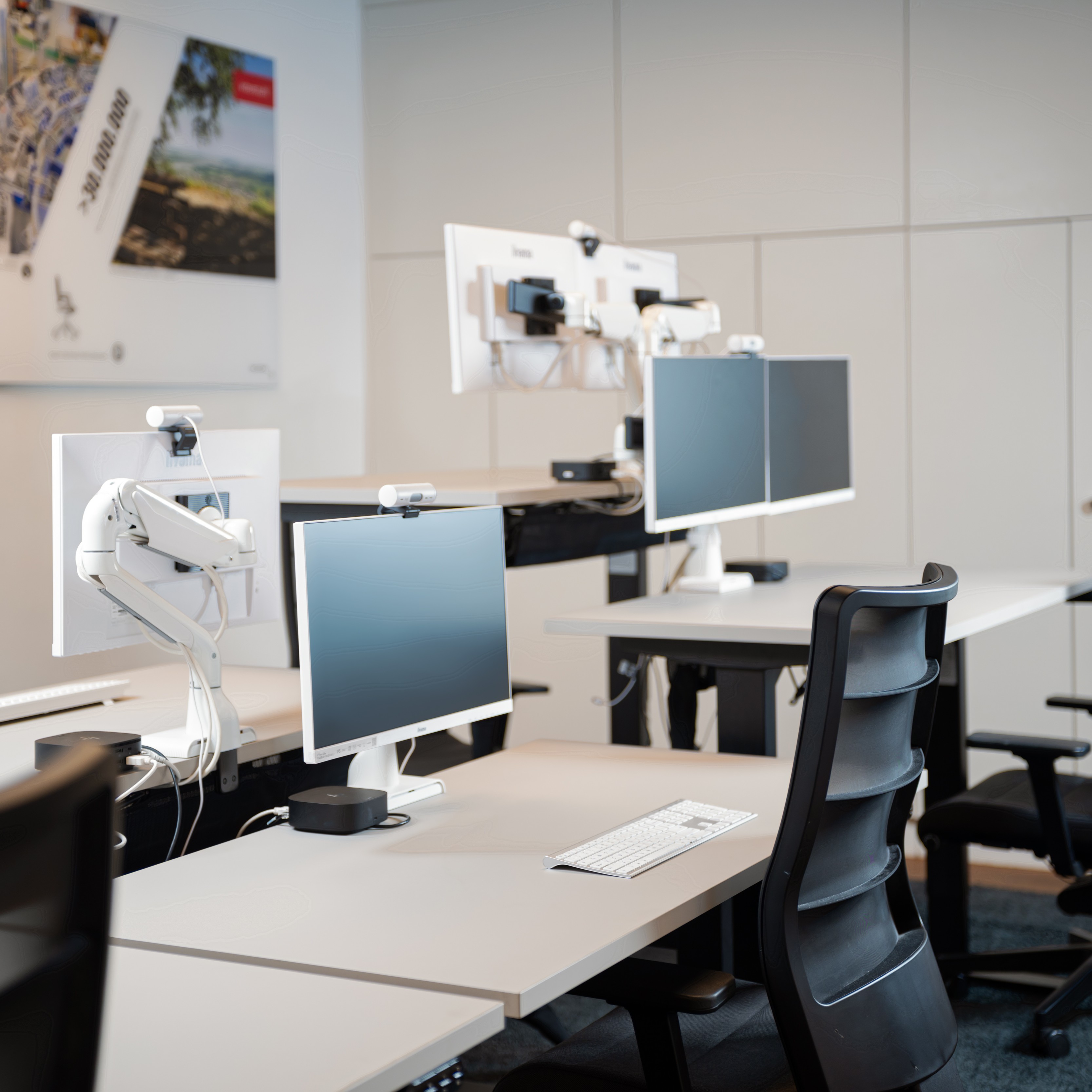
A new product showcase is now on display at the Interstuhl showroom, 17 Brewhouse Yard, Clerkenwell, London. Bringing together two leaders in ergonomic design innovation, HAT Collective and Interstuhl. HAT Collective, known for its Danish manufactured, precision-engineered ergonomic solutions, is now presented alongside Interstuhl’s world-class seating. Together, they offer visitors a single destination for complete ergonomic workspaces, where a fully realised, ergonomic workstation can be specified in one visit. (more…)