








March 12, 2019
UK jobs boom set to end as finance and business sectors lose confidence
The boom in the UK jobs market is coming to an end just as the Brexit countdown reaches its final stages. According to the latest ManpowerGroup Employment Outlook Survey, the national Outlook for the second quarter of 2019 has fallen to +4 percent, on a par with the weakest levels of confidence seen in recent years. More worryingly, the negative Outlook in the Business and Financial services sector – which employs nearly a fifth of all UK workers – suggests jobs are set to be lost in Britain’s most important sector. The report found that the Finance and Business Services sector has fallen five points to -1 percent, only the second time in the last decade it has been in negative territory.

 The recruitment and retention of manual and elementary service workers has become a significant challenge for UK employers, claims a new study. The research by Quinyx in collaboration with Development Economics and Censuswide, found that factors such as low pay and a lack of flexibility are key issue, resulting in nearly half (49 percent) of UK employers finding it difficult to recruit these workers, and the same percentage reporting challenges around retention. Issues with recruitment and retention were discovered to be most acute in industries such as hospitality, catering & leisure and retail. In addition, larger businesses (those with a workforce of 250 to 500) are more likely to face challenges compared to smaller-sized businesses. Regionally, businesses in London and the East of England are most likely to struggle to recruit workers into manual or elementary service roles. The findings come at a time when UK employers are expressing growing concern around access to manual and elementary service workers post-Brexit.
 The volume of transactions in London’s West End was down 45 percent, the lowest for January in over 10 years. This is to be expected with the continued ongoing Brexit negotiations, according to Savill’s, who expect to see a lower volume of transactions complete over the first quarter of this year. Despite this, space under offer still remains well above the long-term average, with 237,000 sq ft going under offer during the month. This held the overall total at just over 1.2m sq ft, giving a strong indication that leasing activity over the course of 2019 will remain robust. Pre-lets accounted for 42 percent of the overall sq ft let in January and there were five transactions to the Insurance & Financial sector and four to the Tech & Media sector.











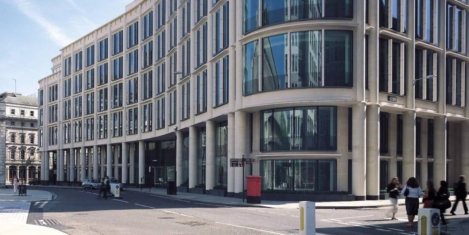
 Investment in Central London offices totalled £5bn in the final quarter of 2018, bringing the year-end total to £17.6bn, a 10 percent rise from 2017 and the highest level since 2014, according to data from CBRE. The final quarter of 2018 saw a 16 percent quarterly rise in investment volumes compared to Q3 2018 and a 69 percent increase on Q4 2017. Over the course of the year, five deals over £500m transacted, including the £1bn sale of 5 Broadgate to CK Asset Holdings and the £1.3bn sale of leaseback of Goldman Sachs’ new European HQ. Whilst none of these larger transactions completed in the final quarter of 2018, Q4 was the most active of the year in terms of number of deals transacted. A total of 65 deals completed in the final quarter of 2018, highlighting the persistent demand for assets in Europe’s principal gateway city. The largest investment transaction in Q4 2018 was the £400m+ sale of 30 Gresham Street to Wing Tai and Manhattan Group from Samsung.