Search Results for: culture

Government expands regional civil service hubs through Places for Growth programme

Government expands regional civil service hubs through Places for Growth programme

The UK Government has reaffirmed its commitment to relocating civil service roles out of London as part of its Places for Growth programme

The UK Government has reaffirmed its commitment to relocating civil service roles out of London as part of its Places for Growth programme, a long-running initiative aimed at strengthening government presence across the UK and reducing reliance on the capital. Updated information published by the Cabinet Office outlines how the programme is intended to support regional economies and bring decision-making closer to communities by creating a more geographically distributed civil service workforce. (more…)

Wellbeing overtakes financial security as top workforce concern, study claims

Wellbeing overtakes financial security as top workforce concern, study claims

Wellbeing has overtaken financial security as the primary concern for UK employees, according to new research from MercerWellbeing has overtaken financial security as the primary concern for UK employees, according to new research from Mercer, reflecting a shift in workforce priorities after several years of economic and social disruption. The findings come from Mercer’s Inside Employees’ Minds: Building Confidence in a Changed World 2025 to 2026 report, based on responses from more than 4,000 UK workers. While financial pressures remain widespread, concerns around physical, mental and emotional health now dominate. The study found that 32 percent of employees report poor mental health, with higher prevalence among younger workers. (more…)

Intentional AI adoption is a leadership challenge, not just a technology problem

Intentional AI adoption is a leadership challenge, not just a technology problem

even in an AI-driven future, the real challenge remains deeply human—guiding teams with intention, empathy, and trust.A lot of conversations about AI jump straight to the end state. Leaders envision a future where the human workforce is focused on higher-order thinking and augmented with agentic capabilities across the enterprise, and where operational costs are much lower. While visionary thinking is not negative, we’re discovering that the transition from today’s version of the organization to a more automated state will require a massive transformation to achieve. Effective, sticky change requires active work and leadership to truly pivot processes, integrate technology, cultivate new skillsets, establish the cultural foundations, reformat the organizational structure, and ramp to new ways of working. Machines can’t steer that kind of change; humans still have to. (more…)

Forget all the talk of Blue Monday; work is still (largely) good for us

Forget all the talk of Blue Monday; work is still (largely) good for us

blue mondaySo here it is. Blue Monday. Today. Officially the most depressing day of the year. We say ‘officially’, but like the idea of ‘Body Odour’ its common usage hides the fact that it was originally created as part of a PR campaign, in this case one for Sky’s travel channel in 2005. The whole idea of Blue Monday is couched in a pseudo-mathematical equation which includes factors like the weather, levels of debt, time since Christmas, low levels of motivation and, apparently, an unspecified variable known simply as ‘D’. (more…)

Beating Blue Monday: International Workplace launches free occupational health and wellbeing training for SMEs

Beating Blue Monday: International Workplace launches free occupational health and wellbeing training for SMEs

International Workplace is doing its bit to ease the New Year’s blues today by equipping small businesses with the tools to champion mental health and wellbeing in the workplace.International Workplace is doing its bit to ease the New Year’s blues today by equipping small businesses with the tools to champion mental health and wellbeing in the workplace. ‘Blue Monday’ – the third Monday in January each year – is often cited as the most challenging day of the year for the UK workforce. With the festive season over, wintery weather taking its toll, and a long wait for payday, it’s a time when a little extra support from managers can make all the difference. (more…)

Major surge in people working past retirement age … matched by rise in age discrimination claims

Major surge in people working past retirement age … matched by rise in age discrimination claims

with the number of older people in the workplace growing, employers need to be more proactive to avoid age discrimination and prevent conflicts from developing between workers of very different generationsNew research by specialist employment law firm Littler, based on 2024-25 data from HM Revenue & Customs, suggests there has been a 12 percent rise in the number of people working past retirement age over the past five years up from 1.39 million in the year to March 31 2020-21 to 1.56 million in the year to March 31 2024-25. The firm claims that, with the number of older people in the workplace growing, employers need to be more proactive to avoid age discrimination and prevent conflicts from developing between workers of very different generations. Although these conflicts are often seen as just workplace ‘banter’ they can cross the line to the point an employee feels they have been unlawfully discriminated against. For instance, where workplace ‘jokes’ have a repeated ageist element or stereotypes about young or old people stray into being seen as unlawful harassment. (more…)

Fashion has an unexpected influence on commercial interior design

Fashion has an unexpected influence on commercial interior design

Fashion and interior design have always moved in parallel, reflecting both personal identity and the emerging needs of societyFashion and interior design have always moved in parallel, reflecting both personal identity and the emerging needs of society. For example, corporate dress codes shifted to be more relaxed during the Covid-19 pandemic, coinciding with the increase in remote and hybrid working patterns. This relationship is more visible than ever, as the aesthetics of today’s fashion week runways, and the re-emergence of mid-century design come full circle to influence the look and feel of our commercial office spaces. (more…)

How leadership can drive positive changes in workplaces

How leadership can drive positive changes in workplaces

Leadership has the power to reconnect people to their workplaces, rebuild trust, and create environments where employees feel motivated to contribute.The contemporary American professional landscape is at a turning point. While people are sticking with their employers, they feel more disconnected than ever. Gallup calls this the ‘Great Detachment’. (more…)

Actionable workplace wellness initiatives for small businesses

Actionable workplace wellness initiatives for small businesses

Wellness initiatives, however, can serve as a practical and powerful solution. When done thoughtfully, they help reduce stress, improve morale, and create a work environment where people feel supportedAmerican workplaces are going through big changes now. Employee engagement has hit a ten-year low. Small businesses often feel these pressures more intensely than large corporations. Limited resources make turnover and declining morale especially difficult for small firms. When even one employee feels overwhelmed or disengaged, the impact can ripple through an entire team.

Wellness initiatives, however, can serve as a practical and powerful solution. When done thoughtfully, they help reduce stress, improve morale, and create a work environment where people feel supported rather than stretched thin.

In this article, we’ll share a few actionable workplace wellness initiatives that can help you foster healthier habits, stronger engagement, and long-term resilience.


1 Encourage Flexible Work Options

The traditional nine-to-five office hours are quickly becoming a thing of the past. Many employees now value flexibility just as much as salary. Flexibility helps your team balance their work and their actual lives. This reduces stress and prevents that burnout we all fear.

Around 76% of businesses in the UK already offer flexible work options to their employees.

You do not have to go fully remote if that does not fit your small business’s model. There are so many ways you can give your team more control over their time. One common way is to offer telecommuting or remote work. This lets people work from home some or all of the time. It saves them a long commute and saves you on office costs.

If your team needs to be in the office, try flexible hours or flextime. This lets them choose their own start and finish times. You can also look into compressed workweeks. This is where employees work their 40 hours in fewer days.

A popular choice is working 10 hours for 4 days. This gives them a 3-day weekend every single week. This model is great for high-workload industries, such as retail, healthcare, or manufacturing.


2 Foster Happiness with Growth Opportunities

People want to feel like they are moving forward. When employees feel stuck, they start looking for the exit. Offering growth opportunities is a huge part of wellness. It keeps the mind sharp and reduces stress about the future.

For a small business, you might not have a big training budget. That is okay. You can check out the Small Business Association (SBA) Learning Platform. It offers online courses on everything from managing a team to marketing for free. Then there is SCORE. This is a network of retired executives who offer free mentoring.

For those looking to advance their careers, you could offer partial tuition reimbursement for continuing education.

Healthcare roles offer a relevant example. Nurse practitioners are expected to remain in high demand through 2031. Many bedside nurses aspire to move into these advanced practice roles.

Supporting an employee who wants to pursue an MSN-FNP degree can make that goal far more attainable. MSN-FNP stands for Master of Science in Nursing–Family Nurse Practitioner. Rockhurst University explains that this program helps registered nurses transition into primary care for patients of all ages.

Many universities now offer the MSN-FNP degree online. By opting for online degrees, employees can continue working while expanding their skills. Supporting education like this builds loyalty, confidence, and a healthier, more engaged workforce.


3 Create a Comfortable and Healthy Physical Workspace

The physical office environment directly affects how people feel. Small changes in lighting and furniture can boost productivity. These improvements prevent chronic pain and eye strain.

As a small business, you do not need a total redesign to make a difference. You just have to be creative with your space.

Sitting for too long can lead to chronic back pain. Ergonomic chairs support the spine and reduce physical fatigue. High-end chairs are expensive, but there are cheaper options. Lumbar support cushions can make a standard chair better.

Standing desks allow employees to switch positions all day. Standing desk converters are a great low-cost alternative.

Lighting is often overlooked in workplace design. Poor light causes digital eye strain for many workers. This is known as computer vision syndrome or CVS. Data shows that nearly 70% of workers suffer from CVS. Symptoms include headaches, blurred vision, and dry eyes.

Combine overhead and adjustable task lights to customize their environment to prevent discomfort.

Plants lower stress and improve the air we breathe. They can even absorb radiation from our electronic devices. Bring in plants like pothos and snake plants. These are quite affordable and nearly indestructible in an office setting.

Small Steps, Big Impact

Workplace wellness doesn’t require a big budget or a long list of policies. For small businesses, it’s about intention, consistency, and genuine care.

You do not have to do it all at once, however. The key is to start small. Pick one or two initiatives that feel doable right now and build from there. Over time, these small actions create a culture where people feel supported, not just as employees, but as humans. And when your people thrive, your business does too.

How business leaders can support disabled people in the workplace

How business leaders can support disabled people in the workplace

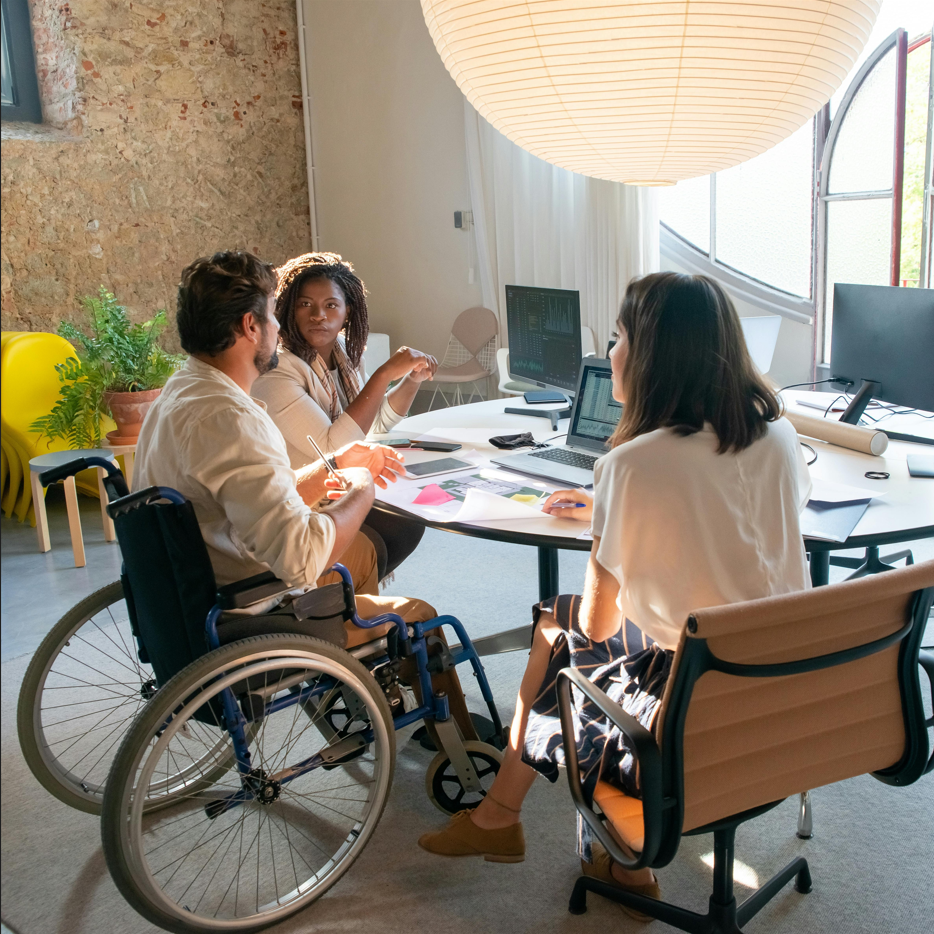
For differently abled people to perform optimally, business leaders must actively help them feel comfortable in the workplace. This requires an extensive support system.Disabilities are more common than we may realize, affecting the everyday lives of real people in heartbreaking ways. The CDC observes that over 28 percent of people in the US suffer from one or more physical disabilities. These could be related to cognition or mobility, vision, or hearing. Sometimes, a tragic accident may leave you in this condition. Or a genetic disorder, such as Tay-Sachs disease or cystic fibrosis, may flare up.  Whatever the cause, the result is generally the same. Prolonged physical and mental stress that complicates your personal and professional life in the workplace. (more…)

Addressing the problem of burnout in high stress industries 

Addressing the problem of burnout in high stress industries 

This article will explore the root cause of burnout, which often goes unnoticed and unaddressed. You will gain insights into what the early signs look like and how a sustainable workplace design can help reduce unnecessary strain on employees.What would happen if a bridge constantly supports a stream of traffic over time? No matter how robust or well-built it is, there will come a time when the materials begin to strain, revealing cracks and deeper structural issues.  Now, high stress industries tend to operate in a similar manner. Employees, acting as the bridge, may crumble under the continual weight of increasing workloads. Inevitably, burnout awaits at the end of the rope, something which serves as a warning of an overextended system.

This article will explore the root cause of burnout, which often goes unnoticed and unaddressed. You will gain insights into what the early signs look like and how a sustainable workplace design can help reduce unnecessary strain on employees.


Burnout As a Signal of Systemic Imbalance 

For the longest time, burnout has been viewed as an individual failure to cope. However, the fact that this condition is so persistent across industrial sectors reveals something far more structural.

Personal resilience, or lack thereof, becomes secondary when exhaustion and disengagement are reported across roles and sectors. By this stage, burnout has turned into a system-level signal that organizational demands have drifted out of alignment with human capacity.

A 2025 report showed that 72 percent of employees reported moderate to high levels of work-related stress. This marked the highest figure recorded in the past six years. Another independent research conducted the same year discovered that 66 percent of employees were experiencing some form of burnout.

The truth is that certain industries are known to be high-stress, including education, healthcare, emergency services, finance, and technology. When burnout is reported across these, it’s a sure sign that the operating models are relying on endurance rather than sustainability.

Since time pressure and emotional labor are treated as inherent to such sectors and the roles therein, burnout goes largely unaddressed. Common indicators of systemic imbalance include:

  • Workloads remain high despite changing demand cycles.
  • Recovery time is treated as optional.
  • Professionals are given high responsibilities with limited control or discretion.
  • Crisis conditions become normalized, masking long-term risk.
  • Moral and emotional strain occur, especially where workers cannot meet professional standards consistently.

Interestingly, burnout first appears among the most capable employees, those most invested in the outcomes. This should ring alarm bells, but sadly, many continue to see it as an individual issue. It’s time to understand that burnout is an early warning that the system itself is operating beyond sustainable limits.


How Workforce Shortages Intensify Burnout Cycles 

It’s important to note that high-stress industries also suffer from workforce shortages alongside burnout. This means the two are not separate challenges. When staffing levels are inadequate, the result is sustained pressure on remaining employees, no matter the market demand.

Staffing gaps go beyond redistributing work. They reshape job conditions in such a way that burnout only gets worse. The scale of this problem is most evident in the healthcare sector. As per a 2025 report, 72 percent of hiring professionals reported ongoing staffing shortages in their facilities.

What’s more is that such conditions are expected to continue in the near future. When more than two-thirds of managers cannot find enough qualified applicants to fill their vacancies, we can understand that the problem is real.

Under such circumstances, burnout tends to intensify through the following mechanisms:

  • Workloads don’t get reduced, just redistributed. The remaining staff have to work harder to complete the additional tasks generated due to high demand.
  • The work environment continues to stay fast-paced and high-stakes.
  • Experienced staff members spend more time covering direct services and less on mentoring or decompression.
  • Since shortages persist, the workforce doesn’t get replenished properly.
  • As the existing employees strain under pressure, that in itself fuels burnout and attrition rates.


Rethinking Talent Pipelines in High-Stress Sectors 

If organizations operating across high-stress industries are somehow able to replenish and sustain their workforce, that should provide some relief from burnout. The problem is that traditional talent pipelines, particularly in sectors like healthcare, emergency services, and education, were built for linear careers and predictable demand.

Under prolonged pressure, these models struggle to respond quickly enough. As a result, existing staff members are left to absorb the ongoing gaps. Many organizations are now reconsidering how people enter demanding professions in the first place.

In other words, many have decided not to rely solely on early-career entrants. Mid-career transitions and return-to-practice routes are also becoming a part of broader workforce strategies. For instance, in healthcare, career changers with a university degree in other disciplines can also pick up nursing training.

Within this context, online second-degree accelerated BSN programs have emerged as one example of how talent pipelines are being restructured. These programs lead to a Bachelor of Science in Nursing, the standard qualification for registered nurses.

As Elmhurst University shares, students with a prior Bachelor’s in any other discipline will earn their basic nursing degree within 16 months. The online structure addresses burnout in ways that traditional programs may not, as follows:

  • Trainees can stay partially employed while they complete their coursework.
  • The workforce across crucial, high-stress sectors can be replenished faster.
  • Candidates across different regions and demographics can have access to learning.
  • Organizations are able to avoid cyclic depletion caused by pulling staff out for upskilling or retraining.

Such adaptations can reduce the duration and intensity of understaffing across high-stress sectors. However, pipeline flexibility alone cannot resolve burnout. Parallel improvements in workload design and staffing support are also needed. Otherwise, the system already operating beyond sustainable limits will keep feeding itself.


Moving From Wellbeing Rhetoric to Sustainable Work Design 

Addressing burnout through well-being initiatives has become commonplace across high-stress industries. The world is all too familiar with wellness apps and stress management workshops. These interventions do provide short-term relief for individuals. However, they do little to tackle the root of the problem: systemic drivers such as chronic understaffing and excessive workloads.

According to Gallup’s State of the Global Workplace 2025 report, only 33 percent of employees worldwide said they were thriving. 58 percent were struggling to cope, and 40 percent even experienced significant stress “a lot of the previous day.” Such trends cut across sectors, showcasing that burnout and disengagement are not merely isolated personal challenges.

The need of the hour is sustainable work design that addresses how work is structured and paced. Key elements of this include the following:

  • Realistic workload distribution to ensure tasks are aligned with staffing levels and capacity
  • Predictable scheduling that reduces last-minute changes, which could erode recovery time
  • Built-in recovery periods to protect rest as a structural requirement
  • Clarity of roles to prevent overload that results from blurred responsibilities
  • Feedback loops that adjust workflows before the strain escalates

This type of design views burnout as a signal of system failure, rather than an individual employee’s weakness. High-stress industries cannot afford to consider this design as an optional enhancement.

The same is critical to stabilizing teams and protecting workforce capacity so as to mitigate long-term burnout. This is especially important as recent research has emphasized that organizations need to adapt workforce structure and skills to evolving demands.

With that being said, organizations also need to factor in anticipated future pressures, not just current workforce strain. This means the next frontier lies in intelligent workforce design. It would include predictive workload modeling and cross-training of teams for flexibility.

As digital tools and remote learning expand access, changes in workplace policy and culture can help prioritize sustainable work practices. This is crucial because the future of high-stress industries depends on proactive, structural solutions if burnout is to become a thing of the past.

Ninth Workplace Design Conference in Ljubljana to explore positive workplace change

Ninth Workplace Design Conference in Ljubljana to explore positive workplace change

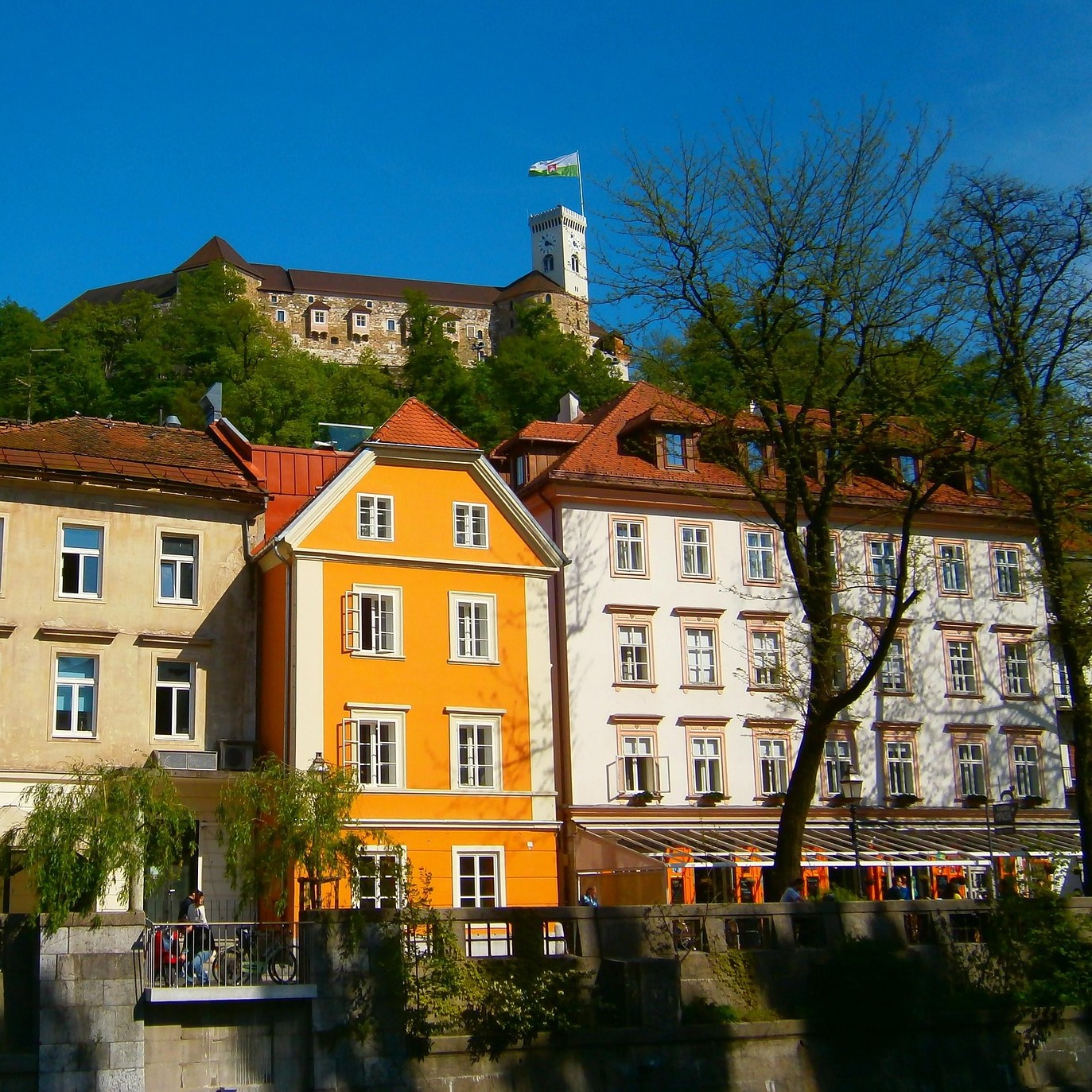
The ninth annual Workplace Design Conference has been confirmed for Thursday, 8 October 2026, with organisers announcing that WDC26 will take place at Ljubljana Castle, one of Slovenia’s most recognisable cultural landmarks. Hosted in the professionally equipped Hribar Hall, high above Ljubljana’s Old Town, the conference will once again bring together an international audience of workplace strategists, business leaders, designers, consultants and solution providers to explore how the design of work environments can support performance, productivity and positive organisational change. (more…)