







May 24, 2018
More than three quarters of British workers have worked whilst genuinely ill in the last year
 Employee services business Personal Group and online doctor service videoDoc have published the findings of a survey of 2,496 UK employees on their attitudes and behaviours around work presenteeism and illness in the workplace. The results indicated some worrying trends with regards to the prioritisation of work over health, with the average British worker having worked more than four days whilst genuinely ill in the last year, and over half of UK employees (52 percent) admitting to delaying seeking medical advice because they didn’t want to take time off work. Of those who did take time off work to see a doctor in the last 12 months, 15.7 percent took unpaid leave to do so, 17.5 percent used their annual leave entitlement and 22.4 percent left work early or arrived late – each of which arguably negatively affect both employee wellbeing and organisational productivity.

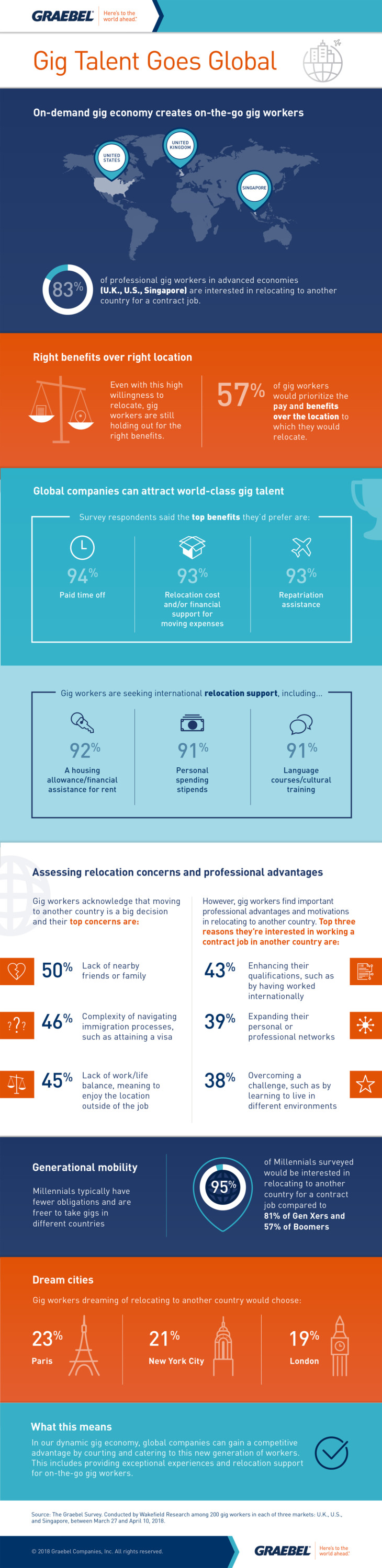
 UK businesses are already one of the top employers of short contract “gig workers” at an international scale and with Brexit just around the corner, a new
 Eight in ten workers use their personal smartphones for work purposes to make their jobs easier as almost half report wasting 10 minutes per hour in their working day due to their employers’ ineffective technology. According to the






 With companies holding ever greater amounts of data and facing heightened scrutiny through social media, employers need to consider the wider implications of their business decisions. This was the message of the President of the













May 17, 2018
What exactly is driving the global workplace conversation?
by Andrew Mawson • Comment, Facilities management, Workplace design
(more…)