November 10, 2014
New report urges firms to protect against BYOD security breaches
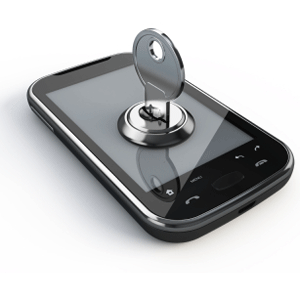 According to a new report from BT, security breaches related to the practice of Bring Your Own Device (BYOD) and related forms of mobile working have affected 41 percent of UK organisations over the last year. Despite this, the report claims organisations are still not taking sufficient measures to protect themselves against threats such as lost or stolen devices and malware infections. The report reveals that at least one fifth of respondents’ organisations that suffered a mobile security breach, experienced more than four incidents in the last year. The research is based on a total of 640 interviews with IT decision makers from large sized organisations (1000 or more employees) across 11 regions: Australia, Brazil, France, Germany, Hong Kong, Middle East, Singapore, Spain, South Africa, UK and USA. Respondents’ organisations were from the financial, retail and public sectors. It shows that uptake of BYOD (Bring Your Own Device) and COPE (Corporately Owned Personally-Enabled) devices is very high, with 95 percent of UK organisations allowing employees to use these devices for work purposes.