







November 2, 2017
Pressurised staff say level of wellbeing in their workplace is insufficient
A majority (80 percent) of employees perceive the level of wellbeing within their organisation to be moderate or low and a quarter are struggling to manage the pressures of the workplace, a new survey claims. Although 64 percent believe their overall happiness as happy or very happy two thirds of UK workers admit to coasting or struggling at work, with just 18 percent reporting they’re flourishing, finds the survey published by Barnett Waddingham. Why BWell 2017 also found a third of UK workers admit their job has a negative impact on their mental health, with the same number believing their overall wellbeing is not important to their employer. Moreover, 22 percent say negative attitudes from their managers at work hinder their ability to balance work and family commitments. The survey also looked at employee retention alongside employers’ understanding of staff engagement in the company objectives. Overall 25 percent admitted they couldn’t see themselves working for the same company in five years’ time and 36 percent feel they either didn’t understand their company’s overall strategy or didn’t know if they understood it or not.


 British workers are lagging behind employees from other countries when it comes to flexible working hours and benefits like extended leave, suggests new research. New independent research commissioned by travel specialists Opodo.co.uk compared Britain with other nations across Europe and the USA, which reveals that British companies are lagging behind other businesses when it comes to flexible working. Three-quarters of employees in the UK (75 percent) don’t believe they have a generous holiday allowance and 84 percent aren’t offered time back in lieu for days worked over the weekend. It’s of no surprise then that 69 percent of Brits don’t think they have a good work-life balance.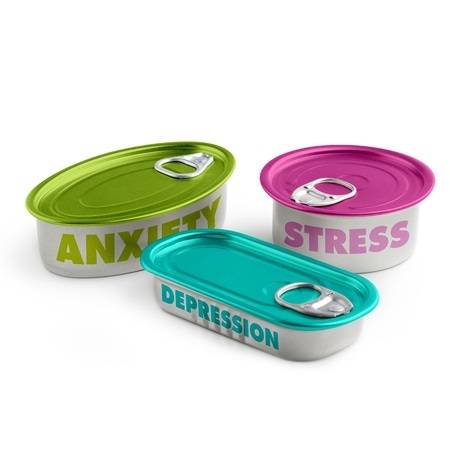
 UK workers are still uncomfortable about having honest conversations at work, with nearly two thirds (61 percent) feel they keep an aspect of their lives hidden in the workplace. The research from Inclusive Employers found family difficulties (46 percent) was the most likely hidden issue at work, followed by mental health (31 percent). One in five also admitted they would hide their sexual orientation while at work. It also found a generational divide, with 67 percent of employees aged between 18 -24 years old keeping something secret compared to 55 percent of those over aged 55 years or over. The data, released to mark National Inclusion Week 2017, found this lack of openness can have negative impacts on workers and employers, with over a quarter of workers (26 percent) admitting they would feel less connected to their workplace if they hid an aspect of themselves and 18 percent saying their performance would suffer.

















June 29, 2017
The onus is on employers to create working conditions that attract people 0
by Graham White • Comment, Facilities management, Wellbeing
(more…)