Search Results for: culture

Passionate firms make more progress in teamwork, research finds

Passionate firms make more progress in teamwork, research finds

Passionate firms perform higher in terms of team progress, regardless of whether that passion is focused on one or multiple team activities, finds new researchPassionate firms perform higher in terms of team progress, regardless of whether that passion is focused on one or multiple team activities, finds new research from Aalto University School of Business. According to Associate Professor Ewald Kibler, Head of the Entrepreneurship Unit at Aalto, and postdoctoral researcher Bernadetta A. Ginting-Szczesny, team entrepreneurial passion (TEP) plays an important role in business ventures as it can positively impact team outcomes and venture performance. Analysing survey data on 326 individuals from 107 teams at Finnish SMEs, they suggest having a shared passion helps teams work together toward a common goal while maintaining focus and motivation. (more…)

The challenge for office acoustics is to make people feel at home

The challenge for office acoustics is to make people feel at home

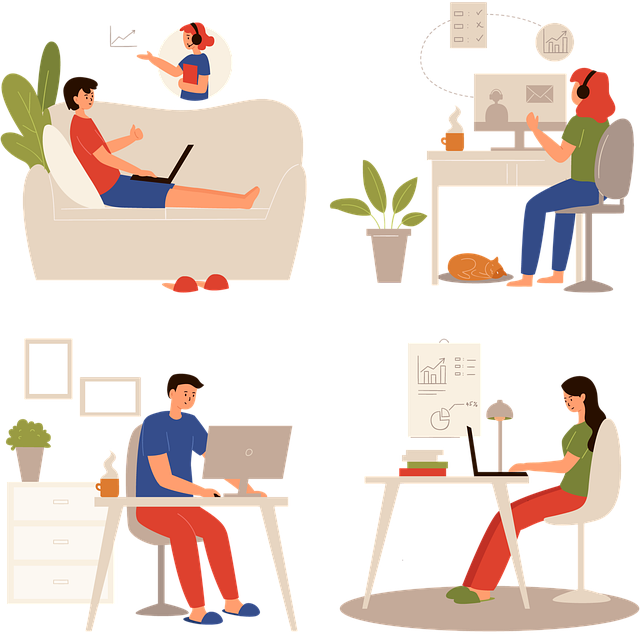
The need for quiet work remains wherever we work, and so our approach to office acoustics should shift in particular waysA number of apparent truisms about work and workplaces entered mainstream consciousness in the wake of the pandemic, and the shift to more flexible and hybrid working cultures. One of them is that people are better off carrying out focussed, quiet work at home, and creative and collaborative work in the office. And that this might suggest our approach to office acoustics would shift in particular ways. (more…)

Wellbeing of HR professionals yet to return to pre-pandemic levels

Wellbeing of HR professionals yet to return to pre-pandemic levels

The wellbeing of HR professionals has yet to return to pre-pandemic levelsThe wellbeing of HR professionals has yet to return to pre-pandemic levels, with UK HRs in particular lagging at times behind their global counterparts when coping with today’s challenging economic and operating conditions.  This is according to a three-year comparative research project by Culture Amp and Thrive at Monash Business School, which found that in 2020, when the pandemic was first starting to bite, 45 percent of global HRs felt equipped to manage their own  personal and work life demands. (more…)

Remote working and mental health: generational divide continues to manifest 

Remote working and mental health: generational divide continues to manifest 

A new study commissioned by Great Western Railway claims to reveal striking generational differences in attitudes towards remote working and its impact on mental healthA new study commissioned by Great Western Railway claims to reveal striking generational differences in attitudes towards remote working and its impact on mental health. The research, which explored the effects of remote working on different age groups, highlights a growing concern regarding the isolation experienced by older employees compared to their younger counterparts. (more…)

Do political and social opinions belong in the office? People can’t even agree on that

Do political and social opinions belong in the office? People can’t even agree on that

The UK workforce is divided on whether political and social opinions belong in the office, according to a new report from HiBob. According to the poll commissioned for the report, half of UK professionals (53 percent) feel that respectful socio-political discourse in the workplace should be encouraged. However, the other half (45 percent) believe socio-political discussion should be kept out of the office, citing concerns over the impact on company culture.  (more…)

Best practice for maintaining an agile workforce through upskilling

Best practice for maintaining an agile workforce through upskilling

Workforces need to evolve now more than ever. A report from the World Economic Forum claims that around a quarter of jobs will shift in the next five years. Its ‘Future of Jobs Report for 2023’ notes that though an estimated 69 million new jobs will be created, another 83 million will be eliminated. A few factors contributing to creating and eliminating jobs are macro trends—such as a rise in sustainability efforts among businesses, the localisation of supply chains, high inflation, and slower economic growth. (more…)
Should work help to define your identity? Perhaps, but first consider this…

Should work help to define your identity? Perhaps, but first consider this…

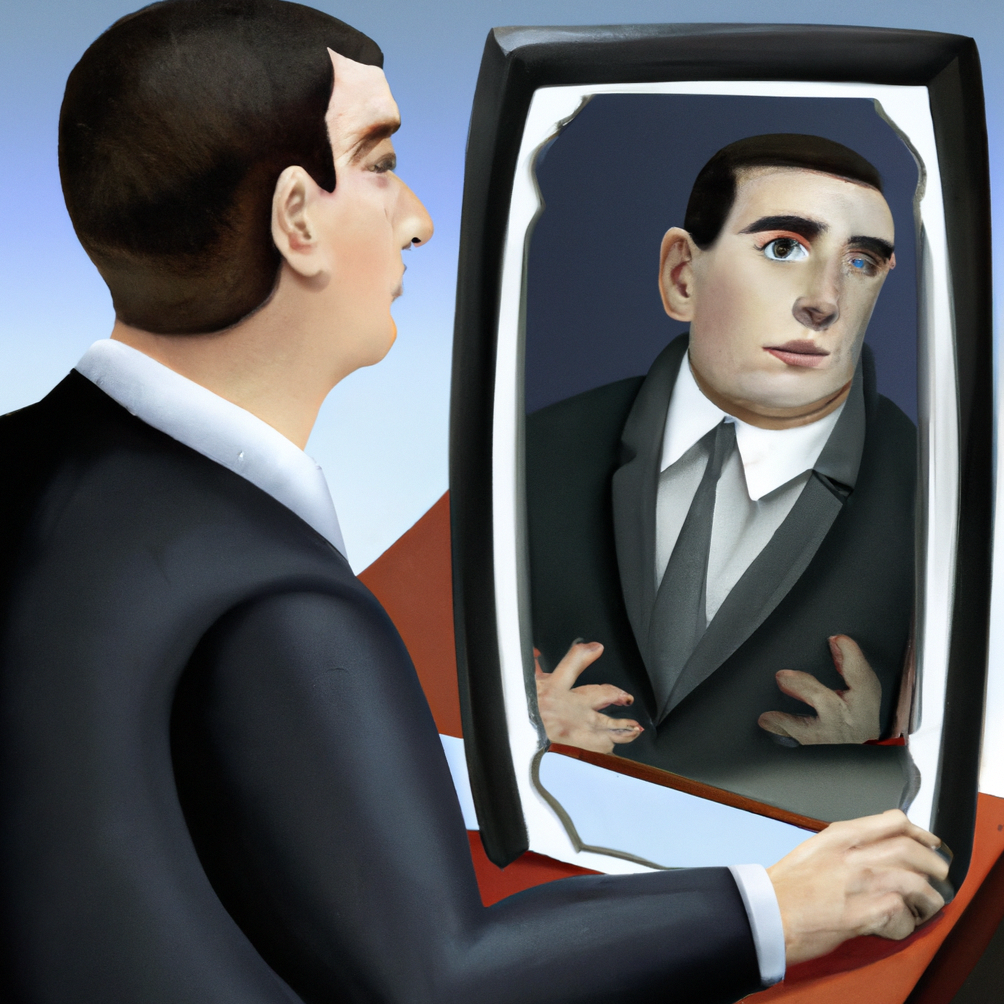
Dr Tracy Brower considers how work ideally forms just a part of our identity The last few years have put work at the forefront of our consideration as individuals and our discussions as a society. Globally, people are thinking consciously about their work, its meaning and its place in their lives. This focus will surely create the conditions for a great reinvention —a reset of how we work as well as where, when and for whom. Identity is an important part of the dialogue: Should work be central to someone’s identity? Is it healthy for work to occupy our focus? And how much is too much? (more…)

 It is possible to balance the positives and negatives of stress at work

 It is possible to balance the positives and negatives of stress at work

It’s important to know the difference between helpful and unhelpful stress and what this means for employers looking to improve workforce wellbeingStress is an inevitable part of everyday life, and our bodies are hard-wired to respond to it. However, it’s clear stress takes a regular, negative toll on organisations across the country. Last year, 17 million days were lost due to stress, depression or anxiety, which accounted for 51 percent of all work-related ill health cases and 55 percent of all working days lost due to ill health. Poor mental health costs employers between £1,205 and £1,560 per employee, per year. Some of the main causes of stress in the workplace include mounting workload pressures, increased responsibilities, and a perceived lack of support from senior management. (more…)

‘People insight deficit’ puts firms’ reputations at risk

‘People insight deficit’ puts firms’ reputations at risk

New research from the CIPD exploring the quality of UK working lives suggests there has been a negative shift in how people think about and value their work. People insightThe CIPD is urging business leaders to have board-level HR representation or input to ensure there is the necessary expertise and ‘people insight’ to develop positive corporate cultures and manage workforce risks such as sexual harassment. This is the unsurprising message in a new report from the CIPD ‘The value of people expertise on corporate boards’. It claims just a quarter (25 percent) of FTSE 350 firms have a board member (both executive and non-executive) with an HR background, while only 2 percent have an HR director as an executive board member. (more…)

CIPD says HR professionals should ‘lean in’ to artificial intelligence

CIPD says HR professionals should ‘lean in’ to artificial intelligence

HR and artificial intelligenceThe swift rise of generative artificial intelligence and its potential impact in the workplace puts people professionals at the heart of understanding how this fast-evolving technology can be responsibly used, and the business impact it may have, according to the CIPD.  To support this change, the trade body has launched a new guide, Preparing your Organisation for AI Use, which stresses the importance of people professionals creating clear policies on the use of easily accessible, web-based generative AI tools such as ChatGPT and Google Bard.  (more…)

We need better evidence to help protect people at work

We need better evidence to help protect people at work

Understanding what works to protect people at work needs better use of evidenceWe make decisions at work every day and for those in complex roles or in fast-changing situations, it can feel like a continuous process. In business, of course, the choices we make can have a significant impact on the bottom line and, more importantly, our people, the environment and the communities we’re operating in. With so much riding on what we choose to do, our decision-making processes must be designed to maximise our chances of successful outcomes. This is especially so when our decisions involve how to protect people at work so can be literally a matter of life or death. (more…)

To boost productivity in the UK, we need to think big and different

To boost productivity in the UK, we need to think big and different

olicymakers, businesses, and society must recognise the importance of productivity and collaborate to implement the necessary reforms and initiatives to unlock the country's full economic potentialThe decline in UK productivity since the Great Recession of 2008/2009 has been a matter of concern for business leaders, policymakers, and economists alike. Despite hopes that the pandemic would act as a catalyst for transformation and boost productivity, recent figures from the Office for National Statistics (ONS) show that the UK still lags behind several other G7 economies. (more…)