Search Results for: environment

Workspace Design Show Amsterdam reports strong growth for second edition

Workspace Design Show Amsterdam reports strong growth for second edition

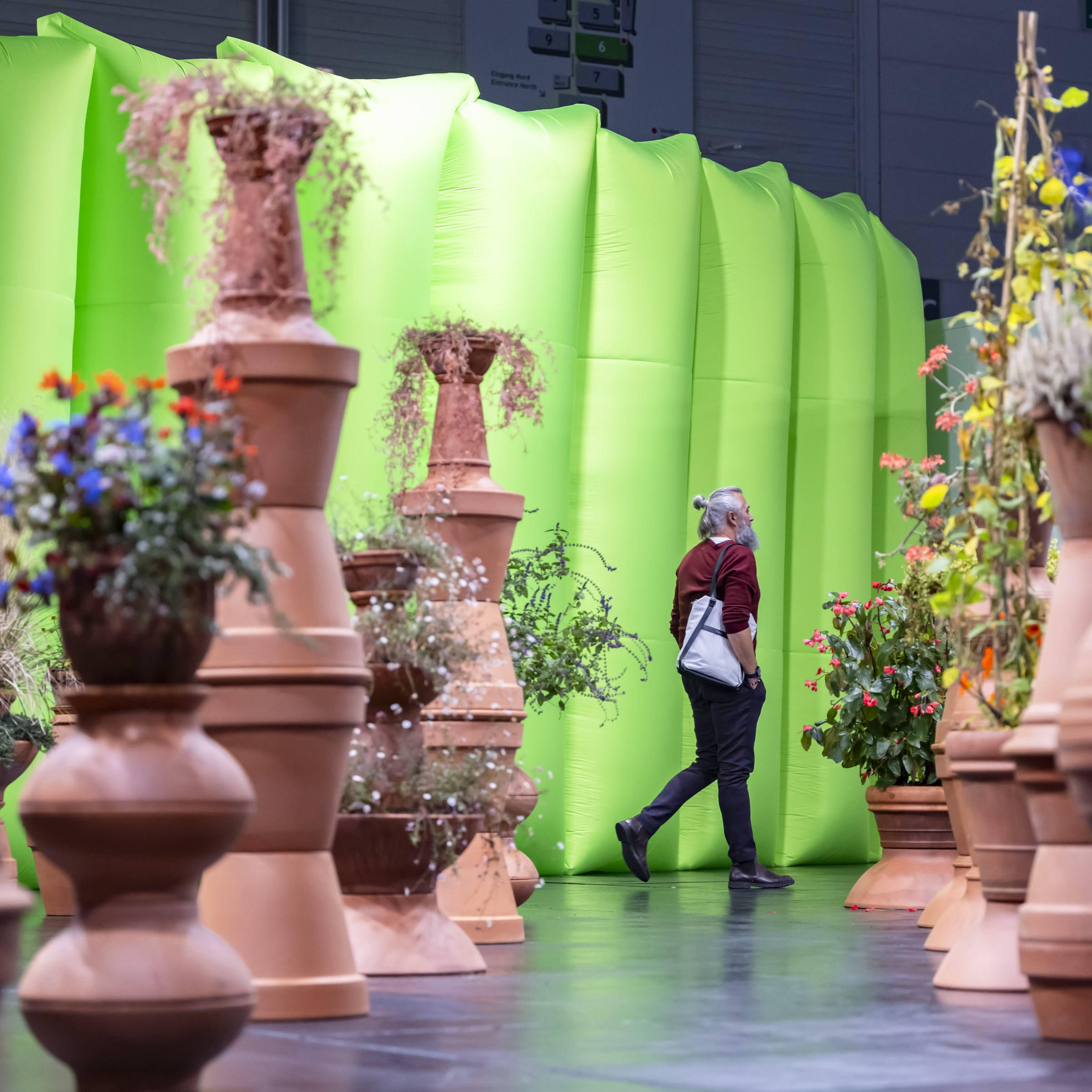
The second Workspace Design Show Amsterdam drew record attendance to the RAI on 5 and 6 November, marking a notable expansion of interest in workplace interiors across Europe

The second Workspace Design Show Amsterdam drew record attendance to the RAI on 5 and 6 November, marking a notable expansion of interest in workplace interiors across Europe. The event, now in its second edition following its 2023 debut, brought together architects, designers, occupiers and suppliers for two days of discussion, product launches and industry networking. Organisers reported more than six thousand visitors from more than sixty five countries, a sharp rise from the first edition. Attendance was led by the Netherlands, followed by Belgium, Germany and the United Kingdom. More than one hundred and fifty exhibitors presented products spanning furniture, lighting, acoustics, flooring and workplace technology. The programme also expanded significantly, with more than one hundred and forty speakers taking part across three stages covering occupier strategies, design thinking and workplace experience. (more…)

Government issues new guidance on managing surplus property

Government issues new guidance on managing surplus property

The UK Cabinet Office has published updated functional guidance titled Managing Surplus Government Property, setting out how government departments should identify, evaluate and dispose of surplus real estateThe UK Cabinet Office has published updated functional guidance titled Managing Surplus Government Property, setting out how government departments should identify, evaluate and dispose of surplus real estate within the central government estate. The document was released on 10 November 2025. The guidance replaces the earlier Guide for the Disposal of Surplus Land and reflects a broadened scope, placing greater emphasis on reviewing multiple options and combining factors when considering disposal or reuse of property assets. (more…)

Canary Wharf leasing activity continues to improve

Canary Wharf leasing activity continues to improve

Office leasing activity at Canary Wharf has risen sharply this year as higher rents in other parts of London prompt more occupiers to consider the Docklands district.Office leasing activity at Canary Wharf has risen sharply this year as higher rents in other parts of London prompt more occupiers to consider the Docklands district. Data from CoStar suggests that the availability of office space at Canary Wharf has fallen to below 10 percent, its lowest level since 2018. Two years ago, vacancy stood at about 23 percent. More than 500,000 square feet of space has been leased so far in 2025, the highest level since 2019, with further deals expected before the end of the year. (more…)

Coworking space numbers rise across UK and Ireland

Coworking space numbers rise across UK and Ireland

The number of coworking spaces in the UK and Ireland has reached a new peak, according to new industry data, signalling the continuing shift in how offices are being used.The number of coworking spaces in the UK and Ireland has reached a new peak, according to new industry data, signalling the continuing shift in how offices are being used. Data from CoworkingCafe’s third quarter 2025 report show around 4,315 coworking locations across the region, of which approximately 4,048 are in the UK and 267 in Ireland. In the UK the distribution is heavily concentrated in major urban centres. Greater London alone hosts roughly 1,191 coworking sites. Manchester follows as a leading regional hub with around 120 spaces, while Glasgow and Birmingham also show significant numbers at 68 and 67 respectively. (more…)

Amsterdam’s Workspace Design Show Unveils Sensory-Driven Feature Spaces

Amsterdam’s Workspace Design Show Unveils Sensory-Driven Feature Spaces

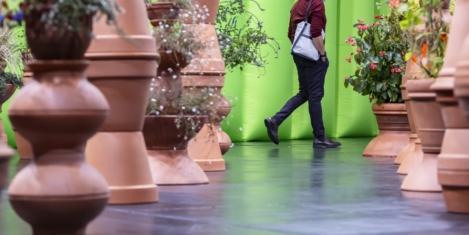
The Workspace Design Show showcases the latest transformative workplace interiors products, from furniture, seating, lighting, acoustics, surfaces, biophilia, tech and moreThis November, Workspace Design Show (Wednesday 5th to Thursday 6th November 2025, RAI Amsterdam) doesn’t just ask what the workplace should be; it lets you feel the answer. Five of the Netherlands’ most creative design studios have turned conversation into atmosphere, theory into tactility, and workplace talk into spaces you can smell, hear, shift and claim as your own. (more…)

There’s a simpler, more natural and diverse approach we can take to workplace design

There’s a simpler, more natural and diverse approach we can take to workplace design

A different approach to workplace design, one that values clarity, quiet and coherence, is being driven more by carbon reductions and overall user experienceOur buildings do more than house activity. They shape our states of mind. Yet many contemporary spaces, whether offices, schools or public buildings, are full of visual noise, synthetic finishes and unnecessary complexity. These elements are often justified in the name of expression or efficiency. But they can leave people disoriented, distracted or exhausted. A different approach to workplace design, one that values clarity, quiet and coherence, is being driven more by carbon reductions and overall user experience than by neurodiversity alone. Through seeking simpler, more durable ways to build: an architecture grounded in natural materials, minimal finishes and thoughtful restraint. (more…)

People no longer want to network, and it’s harming them and their careers

People no longer want to network, and it’s harming them and their careers

The report sets out the biggest challenges holding young people back from making real life connections to build relationships and a network.The art of networking is fading from the modern workplace, with a new poll from Nova suggesting that nearly two thirds (60 percent) of young professionals actively avoid in-person networking events, while around a third (29 percent) say they feel socially anxious when faced with real-life small talk. The report sets out the biggest challenges holding young people back from making real life connections to build relationships and a network. One in four (26 percent) dread awkward silences more than anything and one in five (19 percent) secretly hate small talk and wish they could skip it altogether – despite it being one of the simplest ways to build rapport and make professional connections. (more…)

How modern FNP programs prepare nurses for a changing workplace

How modern FNP programs prepare nurses for a changing workplace

The healthcare landscape is evolving faster than ever before. From the rise of telehealth to new models of patient-centered care, nurses today face a dynamic workplace that demands not only clinical expertise but adaptability, leadership and a commitment to lifelong learning. Family Nurse Practitioner (FNP) programs are stepping up to meet this challenge and equipping nurses with the skills and knowledge necessary to thrive in a changing environment.

Modern FNP programs recognize that healthcare is no longer confined to traditional hospital settings. Graduates may find themselves working in clinics, community health centers, telemedicine platforms or even corporate wellness programs. To prepare for these diverse roles, FNP programs emphasize flexible learning pathways that combine online coursework, simulations and in-person clinical experiences. This hybrid approach mirrors the evolving nature of the healthcare workplace itself where technology and adaptability are essential for success.

For example, a nurse pursuing an FNP program may complete a significant portion of theoretical learning online, allowing them to balance work, family or other commitments while still gaining essential knowledge. Clinical rotations in multiple healthcare settings ensure exposure to a wide variety of patient populations and workplace environments. This combination prepares graduates to adapt quickly and perform effectively no matter where they practice.

Bridging clinical expertise and leadership skills

Healthcare organizations today require practitioners who can make independent decisions, lead teams and coordinate care across multiple settings. Modern FNP programs integrate leadership training, evidence-based practice and interprofessional collaboration into their curriculum. Nurses graduating from these programs are not only clinically competent but also prepared to take on managerial roles, lead quality improvement initiatives and contribute to organizational strategy.

Leadership training often includes exercises in conflict resolution, team communication and project management. Students may participate in simulated scenarios where they lead a patient care team, making decisions under pressure while coordinating with physicians, nurses and support staff. These experiences build confidence and practical skills, ensuring graduates can navigate the complexities of modern healthcare workplaces.

Emphasizing technology and innovation

Digital transformation is changing healthcare delivery. Electronic health records, remote patient monitoring and telehealth platforms are now standard tools in many practices. FNP programs are adapting by incorporating training in healthcare technology, data analysis and telehealth. By familiarizing students with the tools they will use in practice, these programs ensure that graduates are ready to thrive in technologically sophisticated workplaces.

For instance, students may practice conducting virtual consultations or learn to interpret patient data from remote monitoring devices. They also gain skills in digital documentation, privacy compliance and cybersecurity, which are increasingly important when it comes to protecting sensitive patient information. By integrating technology into the curriculum, FNP programs produce graduates who are capable of improving efficiency and patient outcomes through innovation.

Prioritizing well-being and workplace resilience

The pandemic highlighted the critical importance of well-being in the healthcare workforce. Nurses are at risk of burnout due to long hours, high stress and the emotional demands of patient care. Modern FNP programs increasingly focus on self-care, stress management and professional resilience. By fostering emotional intelligence and coping strategies, these programs help nurses sustain long and demanding careers.

Courses may include mindfulness techniques, time management strategies and guidance on maintaining work-life balance. Mentorship programs provide additional support, helping students navigate the challenges of both education and professional practice. Graduates who have been trained to prioritize well-being are better equipped to manage stress, contribute positively to their teams and maintain high-quality patient care over time.

Preparing for the future of healthcare

Modern FNP programs aren’t just about clinical skills. They are about preparing nurses for a rapidly changing workplace that values flexibility, leadership and technological competence. Graduates are ready to meet the challenges of healthcare environments that range from traditional hospitals to community clinics, telehealth platforms and corporate wellness programs. They are equipped to support patient-centered care while also advancing organizational goals and improving workplace resilience.

Healthcare organizations benefit from hiring nurses trained in these comprehensive programs. FNP graduates bring advanced clinical knowledge, strong leadership capabilities and the ability to adapt to new technologies. They are prepared to implement evidence-based practices, mentor junior staff and contribute to innovations in patient care delivery. In short, FNP programs are shaping a workforce that is ready for the demands of modern healthcare.

Building a resilient healthcare workforce

The role of the Family Nurse Practitioner is now more important than ever before. Modern FNP programs prepare nurses to meet the needs of a complex and changing healthcare workplace by combining clinical expertise, leadership training, technological skills and well-being strategies. Graduates leave these programs ready to deliver high-quality care, lead teams and adapt to new challenges. For nurses pursuing advanced education and healthcare organizations seeking a resilient workforce, FNP programs provide the tools and training necessary to succeed in today’s evolving healthcare environment.

Workplace design that supports health, learning and growth

Workplace design that supports health, learning and growth

In 2025, workplace design looks to prioritise employee health, learning, and growth.In 2025, workplace design looks to prioritise employee health, learning, and growth. This article will investigate how contemporary environments enhance wellness, handle technology, and adapt to the fluctuation of work. You will learn the techniques businesses use to amplify productivity and participation. The approaches and fundamentals that construct dynamic work environments are the focus of this article. (more…)

Design Festival North is back for 2026, but with Birmingham replacing Manchester

Design Festival North is back for 2026, but with Birmingham replacing Manchester

Design Festival North, the regional design event organised by Design Social North, will return in 2026 with an expanded programme visiting Leeds, Birmingham and Liverpool.Design Festival North, the regional design event organised by Design Social North, will return in 2026 with an expanded programme visiting Leeds, Birmingham and Liverpool. The one-day festival, which takes place on 12 March, will bring together architects, interior designers, specifiers and suppliers to explore new products and ideas from across the design and built environment sectors. The organisers say the event aims to strengthen connections between creative professionals and foster collaboration across regions outside London. (more…)

The evolving workplace in the hybrid working era

The evolving workplace in the hybrid working era

A little over five years ago, most knowledge workers went home — and dialed into the office remotely. The pandemic triggered a massive uptick in the “virtual workforce,” and organizations raced to provide technology to make connectivity possible. The limitations of those early “quick and dirty” solutions became apparent as the majority of the workforce settled into a hybrid model. (According to Gallup, 51 percent of US workers with remote-capable jobs follow a hybrid schedule while 28 percent are fully remote.) (more…)

Connected Realities theme will explore the fusion of physical and digital workplaces at the 2026 Workspace Design Show

Connected Realities theme will explore the fusion of physical and digital workplaces at the 2026 Workspace Design Show

The 2026 edition of the Workspace Design Show in London will explore how the boundaries between physical and digital workplaces are becoming increasingly blurredThe 2026 edition of the Workspace Design Show in London will explore how the boundaries between physical and digital workplaces are becoming increasingly blurred. The event, taking place at the Business Design Centre on 25–26 February 2026, will centre around the theme Connected Realities, which examines how technology and design combine to create more responsive and human work environments. According to the organisers, the show will focus on how hybrid working models, immersive technologies and smart environments are influencing workplace design. (more…)