Search Results for: bias

UK is trapped in reactive cycle of sickness and inactivity, warn wellbeing experts

UK is trapped in reactive cycle of sickness and inactivity, warn wellbeing experts

Business leaders, policymakers and workplace experts have warned that the UK’s fragmented approach to work, wellbeing and welfare is undermining economic resilienceBusiness leaders, policymakers and workplace experts have warned that the UK’s fragmented approach to work, wellbeing and welfare is undermining economic resilience, with comparisons to Denmark highlighting the pressure placed on the NHS and benefits system in Britain. The warning came during a Westminster roundtable  for the Policy Liaison Group on Workplace Wellbeing chaired by Dame Carol Black on 13 May. The discussion followed shortly after the King’s Speech opened the new parliamentary session with a renewed emphasis on “economic security”. Participants argued that Britain’s rising levels of long-term sickness and economic inactivity will require a more coordinated approach involving employers, government departments, healthcare systems and insurers. (more…)

A word or two on what people tell you about work and workplaces

A word or two on what people tell you about work and workplaces

All of those surveys about work and workplaces must be telling us something about people and what they do, mustn't they? One of the many criticisms you could make of us as a business is a reliance on company sponsored surveys to generate news stories about workplaces. We don’t publish all of them, you’ll be relieved to hear. The ones we reject are usually too nakedly self-serving. Even the ones that have some degree of statistical cred must be viewed in the right context, distorted as they might be by loaded questions, self-reporting, deliberate lying and other response biases.  Our attitude towards these polls is that they often contain some element of truth, especially if results are repeated over a period of time. When surveys over many years tell you that noise is the biggest gripe about office life, you should believe them.    (more…)

AI will either save work or destroy it. Apparently.

AI will either save work or destroy it. Apparently.

It's too early to know what precise impact AI will have on jobs, writes Jo Sutherland. Fortunately for us, the future is still ours to shapeAs someone who works at the intersection of communications and responsible AI, I spend a lot of time thinking about how emerging technologies are explained, sold, feared, embraced and misunderstood. Nowhere is that more palpable than in conversations about AI and the future of work, where certainty is sometimes projected before it’s earned. Over the past few months alone, taking part in debates at both the Westminster Employment Forum and the University of Cambridge, I’ve been struck by just how wide the spectrum of opinion still is. Depending on who has the floor, AI is framed either as a magical productivity fix or an existential threat to jobs. The reality probably lies somewhere in the middle. (more…)

How business leaders can support disabled people in the workplace

How business leaders can support disabled people in the workplace

For differently abled people to perform optimally, business leaders must actively help them feel comfortable in the workplace. This requires an extensive support system.Disabilities are more common than we may realize, affecting the everyday lives of real people in heartbreaking ways. The CDC observes that over 28 percent of people in the US suffer from one or more physical disabilities. These could be related to cognition or mobility, vision, or hearing. Sometimes, a tragic accident may leave you in this condition. Or a genetic disorder, such as Tay-Sachs disease or cystic fibrosis, may flare up.  Whatever the cause, the result is generally the same. Prolonged physical and mental stress that complicates your personal and professional life in the workplace. (more…)

Accurate feedback doesn’t necessarily dent people’s overconfidence

Accurate feedback doesn’t necessarily dent people’s overconfidence

A new study suggests that overconfidence can persist even in situations where people receive frequent and accurate feedback about their performance.A new study suggests that overconfidence can persist even in situations where people receive frequent and accurate feedback about their performance. The findings, published in The Journal of Occupational and Organizational Psychology, raise questions about how effectively feedback mechanisms improve self-awareness in professional settings. Researchers analysed data from 3,388 competitive chess players across 22 countries. Chess provides a clear test of confidence and self-assessment because performance is tracked continuously through the Elo rating system, which adjusts after every match. Players have access to detailed, objective feedback, allowing them to compare their results with others and track progress over time. (more…)

Most managers underestimate the role their emotions play in decision making

Most managers underestimate the role their emotions play in decision making

Managers are less rational and more influenced in their decision making by emotions than they think.Managers are less rational and more influenced in their decision making by emotions than they think, according to a new poll. The study, The empathy problem: Balancing emotion in decision-making, part of the Building Better Managers series [registration], surveyed 279 people leaders across eight countries and 51 industries, with qualitative interviews assessing how emotions and biases impact workplace choices. While four in five managers reported making decisions without emotional influence, almost all shared personal stories during interviews that indicated the opposite. This gap reflects the unconscious nature of decision making, according to the report. It suggests that, while humans see themselves as rational thinkers, many of our choices are instinctively fast, intuitive and emotionally driven. (more…)

Adoption of workplace AI is inconsistent and riddled with contradictions

Adoption of workplace AI is inconsistent and riddled with contradictions

New research claims to reveal the significant divides in how organisations are adopting artificial intelligence, with some reporting positive outcomes and others citing fear, risk and job losses.New research claims to reveal the significant divides in how organisations are adopting artificial intelligence, with some reporting positive outcomes and others citing fear, risk and job losses. The study, carried out by The Adaptavist Group as part of its latest Digital Etiquette: Unlocking the AI Gates report, surveyed 900 professionals responsible for introducing and onboarding workplace AI in the UK, US, Canada and Germany. It found a sharp split between the 42 percent of respondents who believe their company’s AI claims are over-inflated and the 36 percent who do not. (more…)

Flexible working policies have only a limited effect on how people actually work

Flexible working policies have only a limited effect on how people actually work

A major UK policy reform to expand workers’ rights to request flexible working has not substantially changed how people work in practice, according to new researchA major UK policy reform to expand workers’ rights to request flexible working has not substantially changed how people work in practice, according to new research from King’s Business School, UCL and City, University of London. The study analysed data from more than 15,000 employees in the UK Household Longitudinal Study spanning 2010 to 2020, focusing in particular on the 2014 policy that extended the legal right to request flexible working to all employees with at least 26 weeks’ service, rather than just parents or carers. It found that while women are more likely to reduce their hours following the reform, there was no corresponding increase in remote working or flexitime among either men or women. (more…)

Measuring and rewarding what people do at work? It’s a rat trap, baby, and you’ve been caught

Measuring and rewarding what people do at work? It’s a rat trap, baby, and you’ve been caught

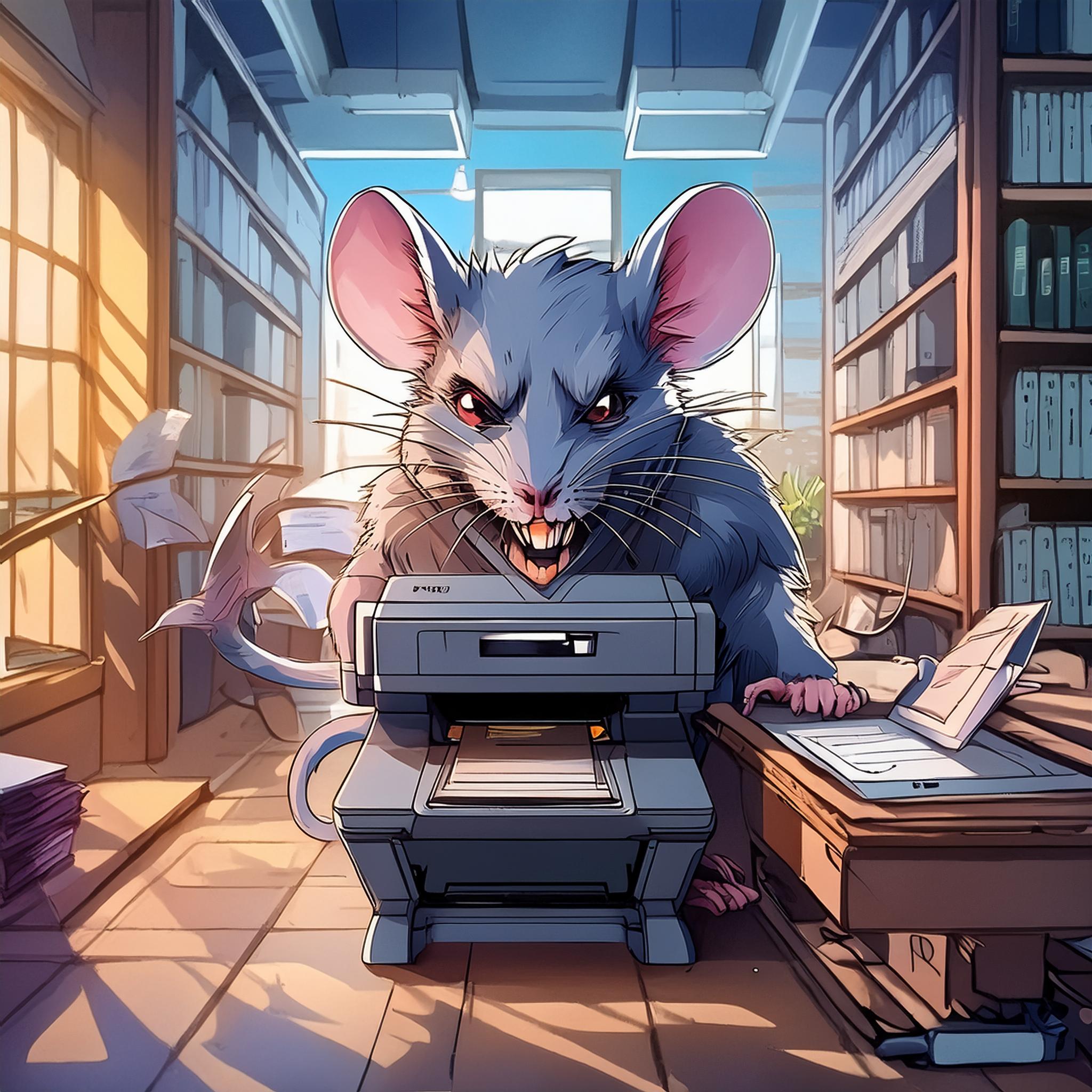
Life imitates art. Scientists have discovered that lab mice may be conducting their own experiments on us. A paper published in the journal Current Biology speculates that mice seem to be testing their testers. They do this by deviating from simple behaviours such as responding to rewards to work out what might happen. “These mice have a richer internal life than we probably give them credit for,” explained Kishore Kuchibhotla, senior study author and an assistant professor of neuroscience at Johns Hopkins University. “They are not just stimulus response machines. They may have things like strategies.” (more…)

Updated: We need to acknowledge the role privilege plays in the ways we talk about work

Updated: We need to acknowledge the role privilege plays in the ways we talk about work

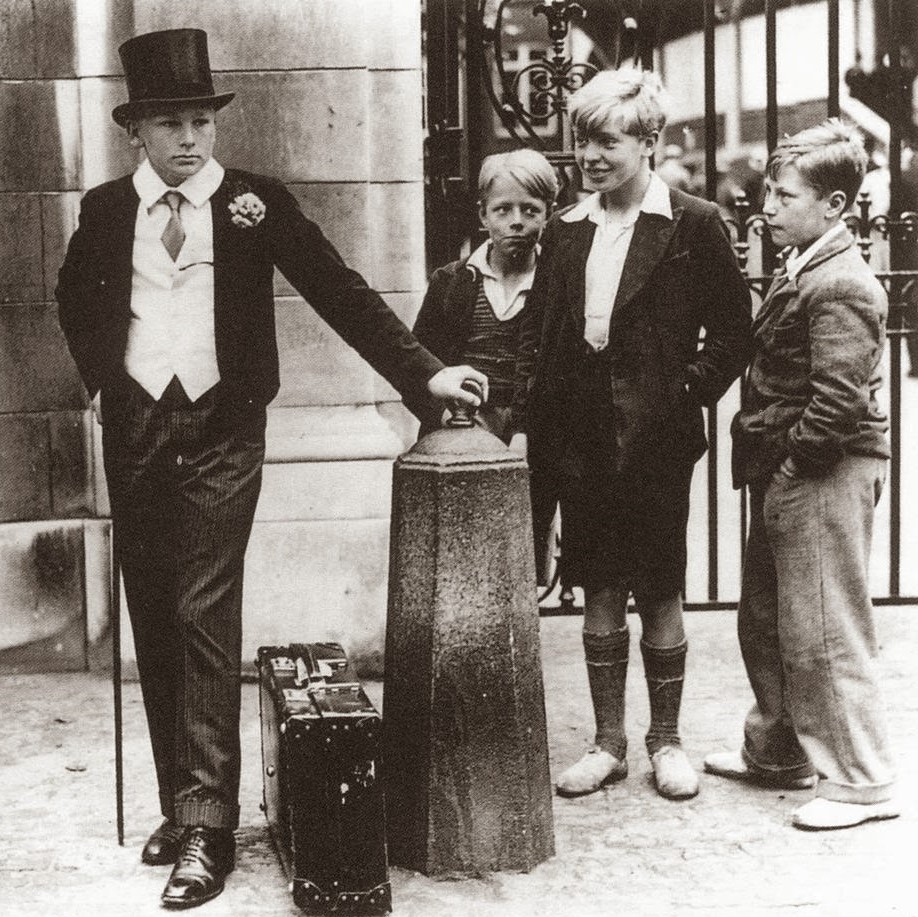
Acknowledging our own biases and privileges will help us to have better conversations about work and workplacesOver the weekend of the 9th of August, I listened to two episodes of Andrew Keen’s podcast which feature conversations with a couple of well-known people from our own domain of work and workplaces. One was Julia Hobsbawm and the other Dror Poleg. It seemed that Julia had introduced Keen to Dror so a link between the two existed. Another link formed in my mind as I listened: the unspoken role of privilege underpinning both conversations. albeit in different ways. (more…)

The change we need: hearing women and embracing curiosity in the workplace

The change we need: hearing women and embracing curiosity in the workplace

The conversation around women in the workplace is one of both logic and emotion, writes Jennifer Bryan.The conversation around women in the workplace is one of both logic and emotion. Objectivity is often the aim, but personal experiences—whether overt or subtle—shape the way we engage with this issue. The truth is, for much of history, the world was built by men, for men. While progress has been made, deeply ingrained structures and biases remain, making gender equality in professional spaces more challenging than it appears on the surface. Even those who actively strive for fairness and inclusion are not immune to falling into unintentional biases. We all have blind spots. Whether due to upbringing, societal conditioning, or subconscious norms, even the most well-intentioned individuals—men and women alike—sometimes perpetuate behaviours that contribute to exclusion rather than inclusion. Recognizing this is the first step toward meaningful change. (more…)

We may think we are pretty aware of the effects of AI. But posterity may draw different conclusions

We may think we are pretty aware of the effects of AI. But posterity may draw different conclusions

Artificial Intelligence (AI) is reshaping the world around us at breakneck speed, unlocking opportunities we could not have even imagined a few years ago. But with its potential comes an immense set of challenges. How we handle this transformation will define the future of our workplaces, economies, and societies. Recent events, including Trump’s revocation of Biden’s executive order addressing AI risks, Labour’s ambitious plans to integrate AI across the UK, and Facebook’s unsettling U-turn on content moderation, highlight the urgent need for businesses to take an ethical, informed, and responsible approach to AI adoption. (more…)