







March 26, 2018
Flexible working has a range of positive benefits for workers, a new report confirms
 Flexibility in where, when and how people work, including remote work, leads to an increase in innovation, as well as improvements in communication, creativity, productivity and engagement, according to a new study from the Flex+Strategy Group (FSG). This is among the key findings from a national probability telephone survey of 595 full-time employed US adults conducted for FSG by ORC International. The report claims that sixty percent of people who have flexible working options feel they’re “more productive and engaged.” Only 4 percent said they are less so, with 34 percent feeling their level of productivity and engagement is consistent. The results suggest major corporations including IBM may have gotten it wrong when they cited remote work as a barrier to innovation and collaboration and asked employees to re-locate back to company offices. The research also found a significant lack of training required for successful flexibility.


 Over a third of workers are adversely affected by a lack of natural light in their office, others complain that the lighting is too bright and a significant proportion say the quality of light provided is so weak they struggle to read. This is according to a new poll which quizzed employees about the difficulties associated with workplace lighting and found that headaches and dizziness were a problem for one in seven. Other employees reported finding the lighting too bright and dazzling (12.4 percent), while one in 10 said they had to strain their eyes due to a general lack of light. A similar proportion said they were bothered by the position of the lights and by the ‘stressful environment’ created by their workplace lighting (9.3 percent each). The findings come as reports of ‘sick building syndrome’ — a condition associated with office work that causes symptoms including headaches and respiratory problems — continue to hit the headlines. Such symptoms are usually attributed to unhealthy or stressful elements of the working environment, such as poor ventilation and lighting.
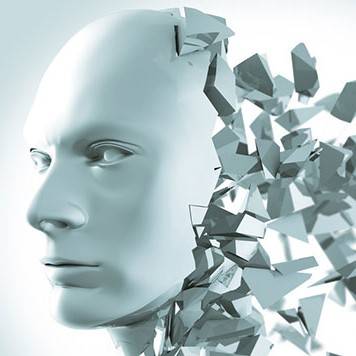
 The mental health of employees, especially those working within high pressured working environments are the number one concerns for UK CEOs. Nearly three quarters (73 percent) of respondents to the annual wellbeing report ‘
 Cities in emerging markets, though challenged by economic and political turmoil, are catching up with top ranking cities following decades of investing in infrastructure, recreational facilities and housing in order to attract talent and multinational businesses, finds Mercer’s 20th annual
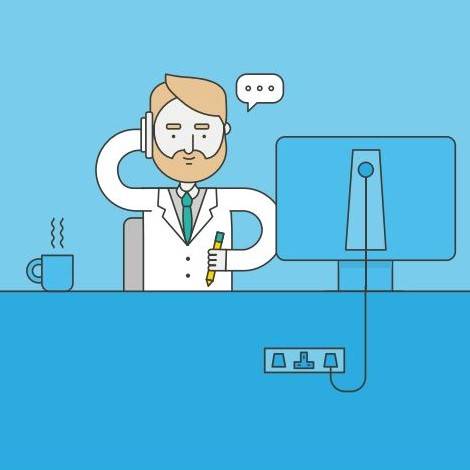

 The challenge to achieve gender equality at work isn’t made any easier by the attitudes of some employers. Although men increasingly want to be more present at home, currently fathers are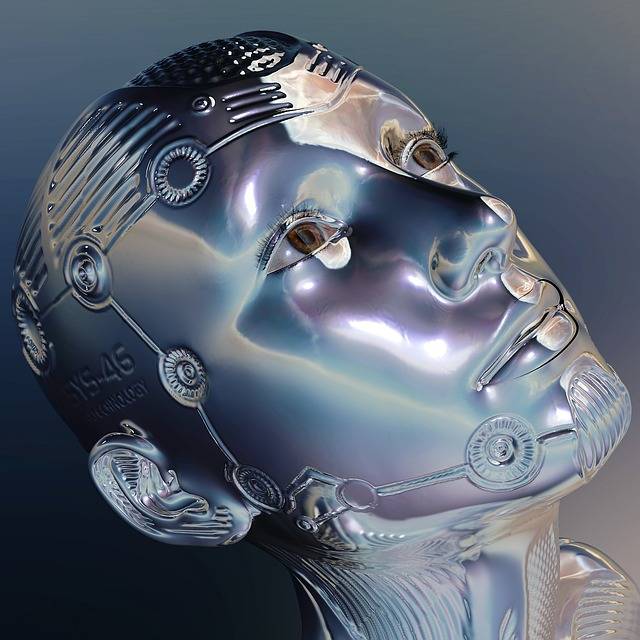
 Artificial intelligence systems need to be accountable for human bias at AI becomes more prevalent in recruitment and selection, attendees at the Employers Network for Equality & Inclusion’s annual conference have been warned. Hosted by NatWest, the conference, Diversity & Inclusion: The Changing Landscape heard from experts in ethics, psychology and computing. They explained that AIs learnt from existing data, and highlighted how information such as performance review scores and employee grading was being fed in to machines after being subjected to human unconscious bias. Dr David Snelling, the programme director for artificial intelligence at technology giant Fujitsu, illustrated how artificial intelligence is taught through human feedback. Describing how huge data sets were fed into the program, David explained that humans corrected the AI when it used that data to come to an incorrect conclusion, using this feedback to teach the AI to work correctly. However, as this feedback is subject to human error and bias, this can become embedded in the machine.










March 20, 2018
Enter the MIPIM bandwagon, towed by pink elephants
by Anna King • Comment, Property, Technology
(more…)