
October 4, 2018
Fall in number of employees who feel motivated at work
 Employee motivation levels appear to be the decline, with 29 percent of employees surveyed saying they were not motivated at work in 2017 compared to just 18 percent who said the same in 2016 the research report, “Living to Work” has claimed. Motivates Inc. has commissioned its employee motivation research for the past three years, surveying over 2,000 UK employees in full-time employment. The full data shows like-for-like how employees are feeling in the workplace and what hygiene factors have affected behaviours year-on-year. According to the latest data 71 percent of UK employees were motivated in 2017, which on its own shows a positive result, yet when you look at the motivational statistics from 2016 the data actually shows the percentage of motivated employees has dropped by 11 percent in just one year. That’s 220 more employees in an organisation of 2,000 who are not feeling good about their job.

 Almost half (49 percent) of UK workers are in jobs they are either under- or over-skilled for, according to new research from the CIPD. Its report ‘Over-skilled and underused: Investigating the untapped potential of UK skills’ surveyed 3,700 UK employees and found that more than a third (37 percent) of workers have the skills to cope with more demanding duties than they currently have. At the opposite end of the scale, one in ten (12 percent) employees said they lacked all the skills needed to carry out their job effectively. This means that as many as half (49 percent) of UK workers could be in the wrong job, based on their skill level. The UK has one of most skilled workforces in the world, with 42 percent of workers qualified to degree level, yet it also has the highest proportion of jobs within the OECD which require no qualifications at all.

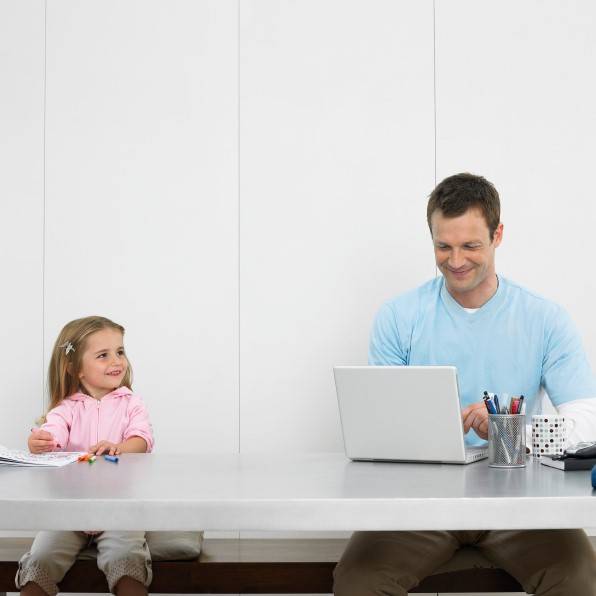
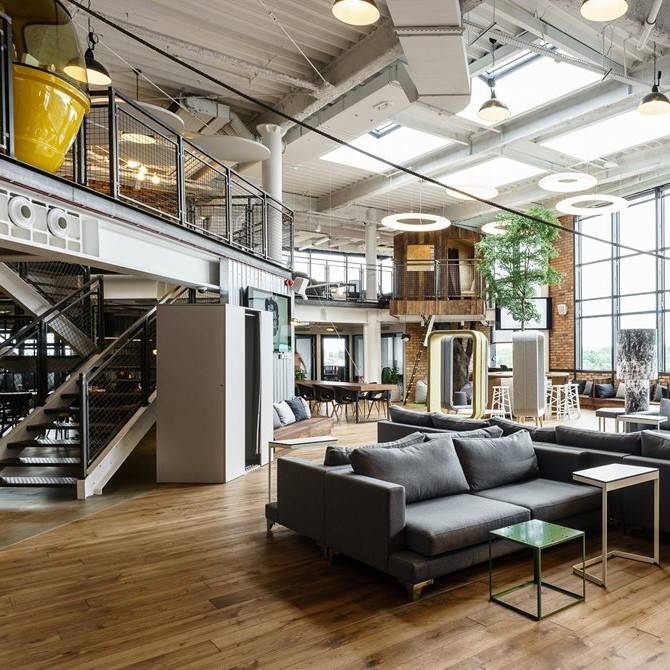





 Generation Z, the latest generation of workers to enter the workplace (aged 18-24) are social creatures a new report suggests, preferring to work in an office environment, with only 8 percent thinking they work best from home compared to 20 percent nationally. However, putting aside the assumption this is because they’re sharing a cramped flat or living with parents, even within the office environment, the vast majority (81 percent) think social and communal areas are important workplace facilities compared with only 64 percent of all employees and 58 percent of Baby Boomers.
 Last year John Cridland