Search Results for: hybrid

A new era of ergonomic design: HAT Collective curated showcase is now open at the Interstuhl showroom, Clerkenwell

A new era of ergonomic design: HAT Collective curated showcase is now open at the Interstuhl showroom, Clerkenwell

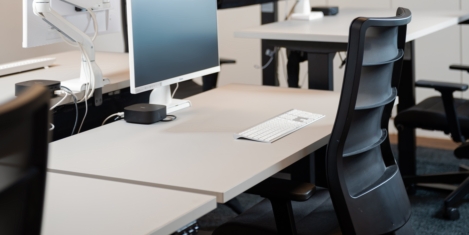
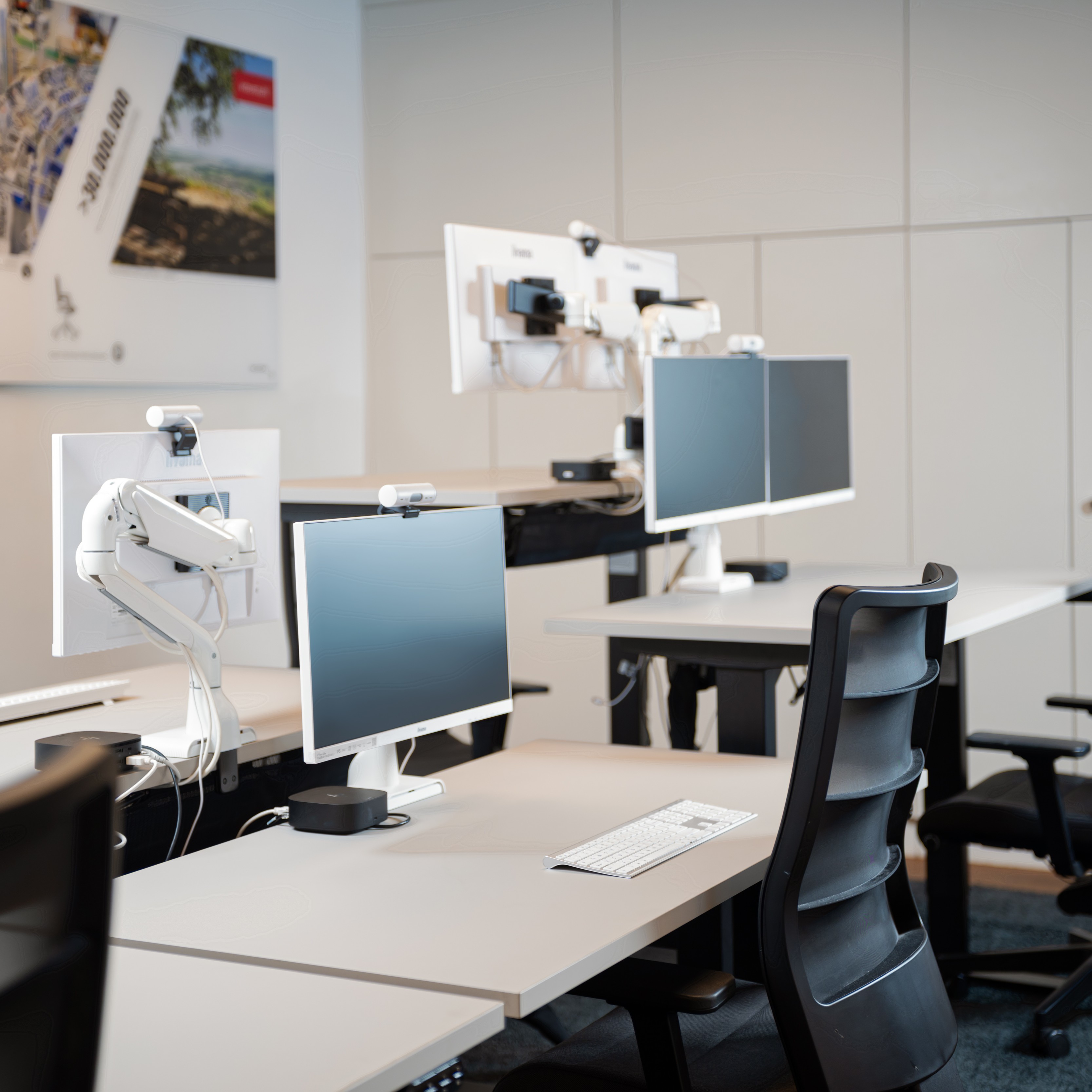
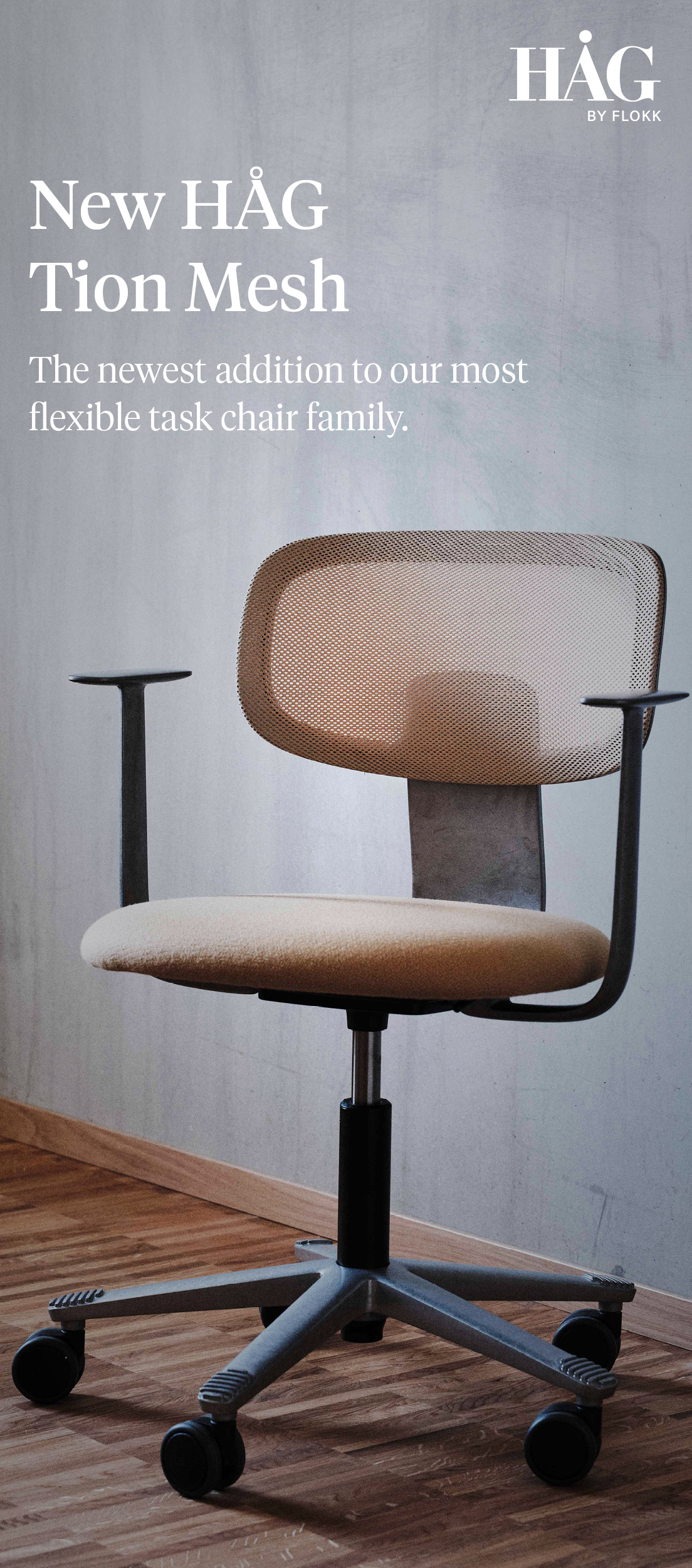
A new product showcase is now on display at the Interstuhl showroom, 17 Brewhouse Yard, Clerkenwell, London. Bringing together two leaders in ergonomic design innovation, HAT Collective and Interstuhl. HAT Collective, known for its Danish manufactured, precision-engineered ergonomic solutions, is now presented alongside Interstuhl’s world-class seating. Together, they offer visitors a single destination for complete ergonomic workspaces, where a fully realised, ergonomic workstation can be specified in one visit. (more…)



How modern FNP programs prepare nurses for a changing workplace

How modern FNP programs prepare nurses for a changing workplace

The healthcare landscape is evolving faster than ever before. From the rise of telehealth to new models of patient-centered care, nurses today face a dynamic workplace that demands not only clinical expertise but adaptability, leadership and a commitment to lifelong learning. Family Nurse Practitioner (FNP) programs are stepping up to meet this challenge and equipping nurses with the skills and knowledge necessary to thrive in a changing environment.

Modern FNP programs recognize that healthcare is no longer confined to traditional hospital settings. Graduates may find themselves working in clinics, community health centers, telemedicine platforms or even corporate wellness programs. To prepare for these diverse roles, FNP programs emphasize flexible learning pathways that combine online coursework, simulations and in-person clinical experiences. This hybrid approach mirrors the evolving nature of the healthcare workplace itself where technology and adaptability are essential for success.

For example, a nurse pursuing an FNP program may complete a significant portion of theoretical learning online, allowing them to balance work, family or other commitments while still gaining essential knowledge. Clinical rotations in multiple healthcare settings ensure exposure to a wide variety of patient populations and workplace environments. This combination prepares graduates to adapt quickly and perform effectively no matter where they practice.

Bridging clinical expertise and leadership skills

Healthcare organizations today require practitioners who can make independent decisions, lead teams and coordinate care across multiple settings. Modern FNP programs integrate leadership training, evidence-based practice and interprofessional collaboration into their curriculum. Nurses graduating from these programs are not only clinically competent but also prepared to take on managerial roles, lead quality improvement initiatives and contribute to organizational strategy.

Leadership training often includes exercises in conflict resolution, team communication and project management. Students may participate in simulated scenarios where they lead a patient care team, making decisions under pressure while coordinating with physicians, nurses and support staff. These experiences build confidence and practical skills, ensuring graduates can navigate the complexities of modern healthcare workplaces.

Emphasizing technology and innovation

Digital transformation is changing healthcare delivery. Electronic health records, remote patient monitoring and telehealth platforms are now standard tools in many practices. FNP programs are adapting by incorporating training in healthcare technology, data analysis and telehealth. By familiarizing students with the tools they will use in practice, these programs ensure that graduates are ready to thrive in technologically sophisticated workplaces.

For instance, students may practice conducting virtual consultations or learn to interpret patient data from remote monitoring devices. They also gain skills in digital documentation, privacy compliance and cybersecurity, which are increasingly important when it comes to protecting sensitive patient information. By integrating technology into the curriculum, FNP programs produce graduates who are capable of improving efficiency and patient outcomes through innovation.

Prioritizing well-being and workplace resilience

The pandemic highlighted the critical importance of well-being in the healthcare workforce. Nurses are at risk of burnout due to long hours, high stress and the emotional demands of patient care. Modern FNP programs increasingly focus on self-care, stress management and professional resilience. By fostering emotional intelligence and coping strategies, these programs help nurses sustain long and demanding careers.

Courses may include mindfulness techniques, time management strategies and guidance on maintaining work-life balance. Mentorship programs provide additional support, helping students navigate the challenges of both education and professional practice. Graduates who have been trained to prioritize well-being are better equipped to manage stress, contribute positively to their teams and maintain high-quality patient care over time.

Preparing for the future of healthcare

Modern FNP programs aren’t just about clinical skills. They are about preparing nurses for a rapidly changing workplace that values flexibility, leadership and technological competence. Graduates are ready to meet the challenges of healthcare environments that range from traditional hospitals to community clinics, telehealth platforms and corporate wellness programs. They are equipped to support patient-centered care while also advancing organizational goals and improving workplace resilience.

Healthcare organizations benefit from hiring nurses trained in these comprehensive programs. FNP graduates bring advanced clinical knowledge, strong leadership capabilities and the ability to adapt to new technologies. They are prepared to implement evidence-based practices, mentor junior staff and contribute to innovations in patient care delivery. In short, FNP programs are shaping a workforce that is ready for the demands of modern healthcare.

Building a resilient healthcare workforce

The role of the Family Nurse Practitioner is now more important than ever before. Modern FNP programs prepare nurses to meet the needs of a complex and changing healthcare workplace by combining clinical expertise, leadership training, technological skills and well-being strategies. Graduates leave these programs ready to deliver high-quality care, lead teams and adapt to new challenges. For nurses pursuing advanced education and healthcare organizations seeking a resilient workforce, FNP programs provide the tools and training necessary to succeed in today’s evolving healthcare environment.

Workplace design that supports health, learning and growth

Workplace design that supports health, learning and growth

In 2025, workplace design looks to prioritise employee health, learning, and growth.In 2025, workplace design looks to prioritise employee health, learning, and growth. This article will investigate how contemporary environments enhance wellness, handle technology, and adapt to the fluctuation of work. You will learn the techniques businesses use to amplify productivity and participation. The approaches and fundamentals that construct dynamic work environments are the focus of this article. (more…)

Connected Realities theme will explore the fusion of physical and digital workplaces at the 2026 Workspace Design Show

Connected Realities theme will explore the fusion of physical and digital workplaces at the 2026 Workspace Design Show

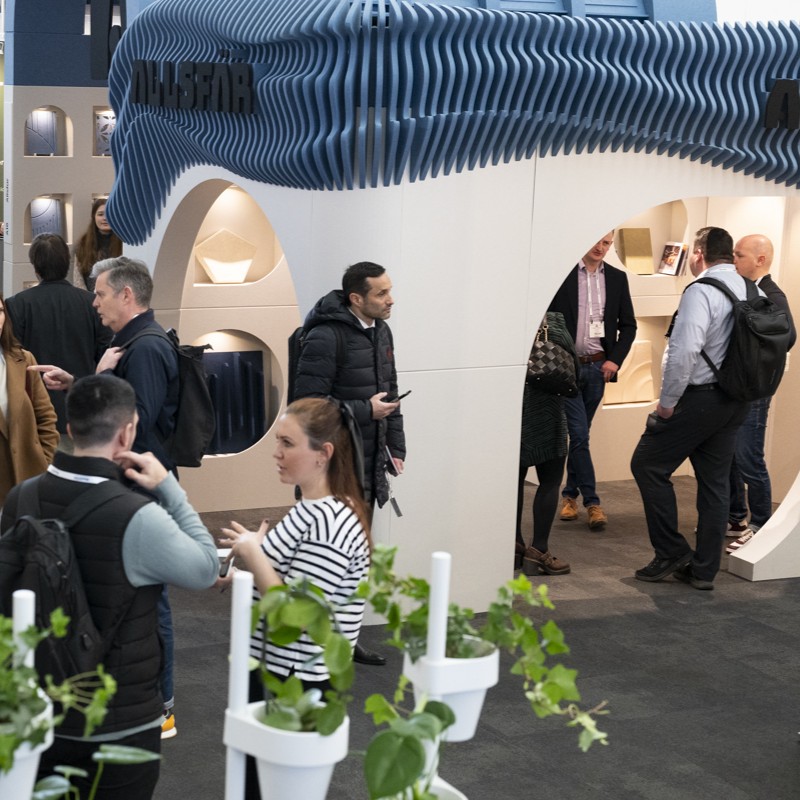
The 2026 edition of the Workspace Design Show in London will explore how the boundaries between physical and digital workplaces are becoming increasingly blurredThe 2026 edition of the Workspace Design Show in London will explore how the boundaries between physical and digital workplaces are becoming increasingly blurred. The event, taking place at the Business Design Centre on 25–26 February 2026, will centre around the theme Connected Realities, which examines how technology and design combine to create more responsive and human work environments. According to the organisers, the show will focus on how hybrid working models, immersive technologies and smart environments are influencing workplace design. (more…)

The real reason why your workplace strategy isn’t working

The real reason why your workplace strategy isn’t working

In a world where how we work keeps evolving, it’s worth stepping back to ask: What are you about as an organisation? Not your product. Not your structure. Your purpose. Your direction. Your why. What are you ultimately trying to achieve as an organisation and why? What’s the bigger outcome you’re working toward? How do you want your people, your customers, your industry to be different because you exist? These aren’t just philosophical questions. They’re practical ones because your answers shape everything including your strategy, your team structures and your culture.  It also shapes a seemingly straightforward question on your workplace strategy. (more…)

Very few people say they enjoy their work, HP study suggests

Very few people say they enjoy their work, HP study suggests

Just 15 percent of UK knowledge workers say they have a healthy relationship with work, according to the latest findings from HP’s third annual Work Relationship IndexJust 15 percent of UK knowledge workers say they have a healthy relationship with work, according to the latest findings from HP’s third annual Work Relationship Index [registration]. The poll of more than 18,000 desk-based employees across 14 countries, including 1,300 in the UK, shows an 11-point fall from 2024 and a figure five points lower than this year’s global average. The report suggests that business leaders in the UK influence most of the factors shaping employee wellbeing, yet many workers feel their needs are not being met. Only 14 percent of respondents believe leaders show empathy, and the same proportion say leaders communicate transparently. At the same time, 41 percent feel their company prioritises profit over people, while 61 percent say expectations and demands have increased – the highest level across developed markets. (more…)

Mandates fail to bring people back to the office, but design and flexibility might

Mandates fail to bring people back to the office, but design and flexibility might

Rigid return-to-office mandates are doing little to increase attendance, according to new research from international design practice Hassell. The firm’s latest Workplace Futures Survey, titled The Mandate Mirage, suggests that the real motivator for people to work in person is choice, particularly when supported by offices designed to offer more than just a desk. The sixth edition of the survey, which polled 3,000 office workers across the UK, US, Australia, Singapore, Hong Kong and South Korea, finds that strict policies are more likely to generate dissatisfaction than compliance. In the UK, poorly executed mandates cut compliance by up to 41 percent, while organisations that offered bonuses or travel subsidies saw attendance increase by a third. Recently renovated offices also boosted in-person working by 15 percent. (more…)

Bloom: Modular comfort for modern workspaces, introduced by Ocee and Four Design

Bloom: Modular comfort for modern workspaces, introduced by Ocee and Four Design

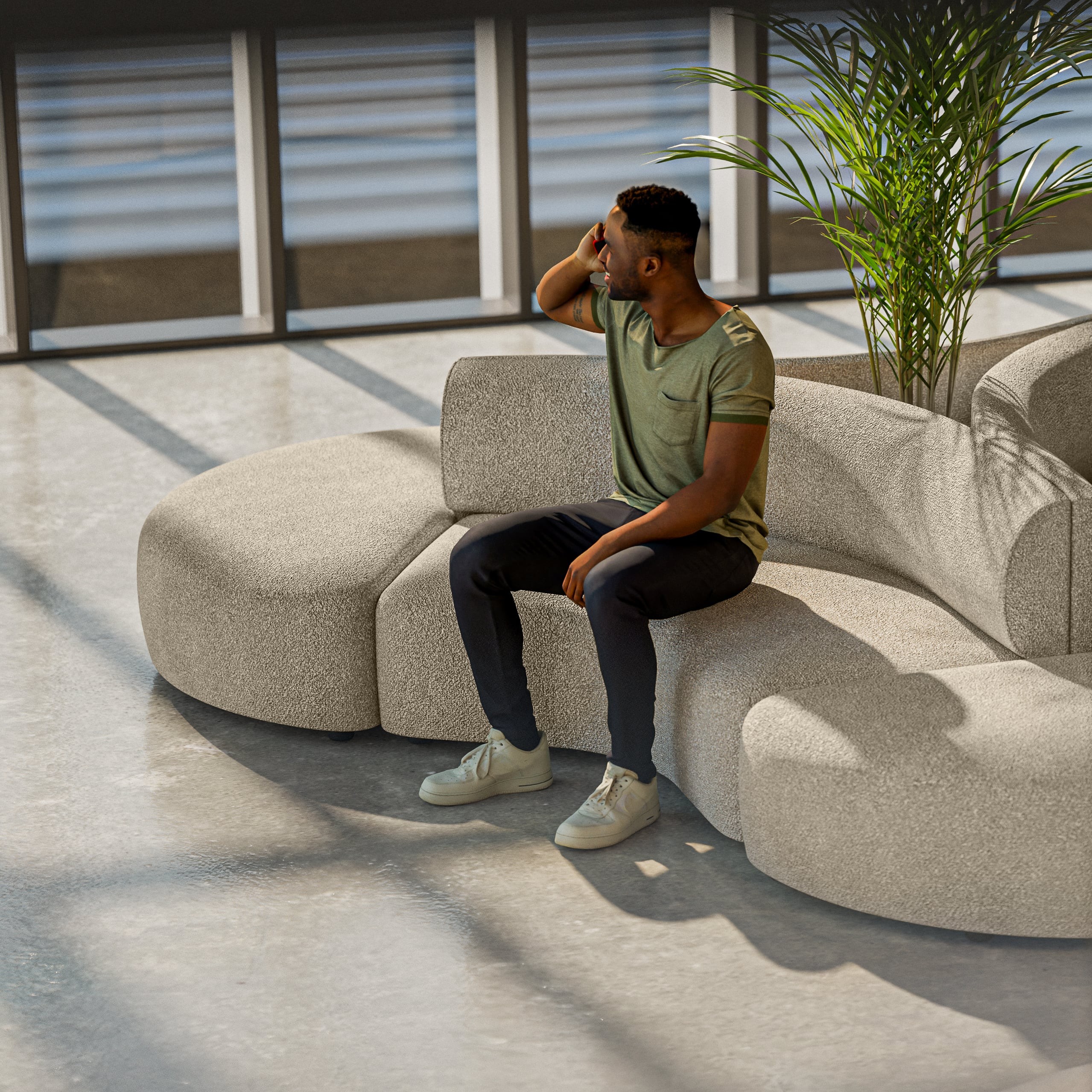
The Bloom modular sofa system from Ocee & Four Design promises a new approach to flexible shared seating, perfect for modern workspaces - no matter how people like to workThe Bloom modular sofa system from Ocee & Four Design promises a new approach to flexible shared seating, perfect for modern workspaces – no matter how people like to work. With single-sided and double-sided seating options, Bloom invites conversation, collaboration and comfort from every angle. Made with 19 different modules, Bloom can adapt alongside the needs of any organisation – evolving with environments to keep pace with ever-changing commercial trends and demands. Featuring active seating zones integrated into the rear of single units, Bloom encourages spontaneous moments of pause. It is ideal for informal interactions in modern workspaces, hospitality and public settings. (more…)

Just one more CoreNet? Give it to me.

Just one more CoreNet? Give it to me.

Esme Banks Marr reports from CoreNet in AmsterdamLast week, CoreNet Global’s EMEA Summit returned to Amsterdam, and with it, the familiar rhythm of connection, conversation, and the occasional déjà vu. I’ve attended a handful of these, and every year I tell myself I pretty much know what I’m in for… and yet, I keep coming back. Why? Well, let me unpack. First, let’s talk about the setting. Amsterdam is one of those cities that feels like it’s permanently on the front foot. It’s forward-thinking, relentlessly innovative, and always busy shaping the future. From cycling-first urban design to a thriving HQ and campus workplace scene, it’s a natural stage for a conversation about “Innovate to Thrive”, this year’s conference theme. I’ve always had the sense that the city itself lives that mantra. (more…)

Return to office policies now more common, but raise people’s expectation of better workplaces

Return to office policies now more common, but raise people’s expectation of better workplaces

The news that Microsoft has introduced a formal hybrid working policy has sparked the usual pointless to and fro on social media about return to office policies, but it would seem for a growing number of firms and their employees, the debate is overThe news that Microsoft has introduced a formal hybrid working policy has sparked the usual pointless to and fro on social media about return to office policies, but it would seem for a growing number of firms and their employees, the debate is over. According to new global research from JLL, 72 percent of employees now view attendance requirements in a positive light, but this shift comes with heightened expectations for workplace quality, flexibility and wellbeing. (more…)

The power of play: how pool and table tennis can transform the workplace

The power of play: how pool and table tennis can transform the workplace

While workplace wellness programmes and flexible policies have their place, one of the most simple and effective interventions is often overlooked: playWorkplaces are under growing pressure to support both productivity and well-being. Hybrid schedules, long desk hours and rising stress levels mean organisations are rethinking what the office should provide. While wellness programmes and flexible policies have their place, one of the most simple and effective interventions is often overlooked: play. Games like pool and table tennis may once have been dismissed as gimmicks, but today they are increasingly recognised as part of a serious workplace strategy. Far from being distractions, they support movement, collaboration, mental health and focus – all of which are critical in a modern knowledge economy. (more…)

Younger people want more office time as remote work leaves many feeling isolated

Younger people want more office time as remote work leaves many feeling isolated

A new poll suggests that younger people are increasingly seeking a return to office working, as large numbers report that remote work has left them feeling lonely and disconnected. The survey from Bupa, based on responses from employees aged between 16 and 24, found that around 40 percent say they feel lonely when working from home. Many of those in this group began their careers during the pandemic, with limited experience of office-based work and the informal social interactions that accompany it. (more…)