







July 17, 2018
London, Singapore and Seoul are the top smart cities in the world
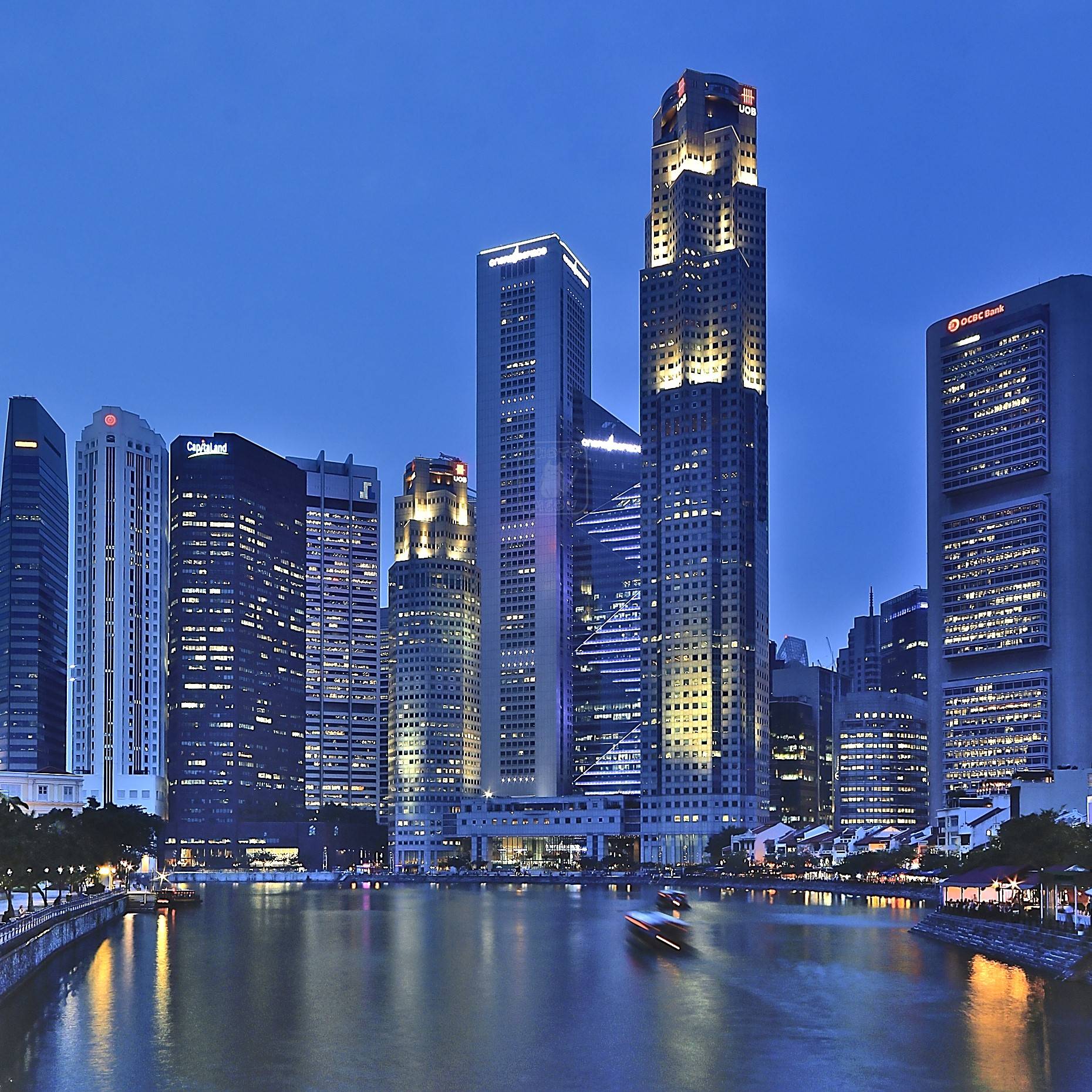 London, Singapore and Seoul make up the top three smart cities worldwide, according to new research from the Eden Strategy Institute. The 2018-19 study, in partnership with ONG&ONG Experience Design (OXD), involved 140 smart cities ranked across 10 measures; clarity of vision, leadership, budget, provision of financial incentives, support programmes, talent readiness, a people-centric approach, development of an innovation ecosystem, implementation of ‘smart’ policies and, finally, a track record of previous initiatives and projects. New York and Helsinki rounded off the top five cities, with Montreal, Boston, Melbourne, Barcelona and Shanghai finishing in the top 10.
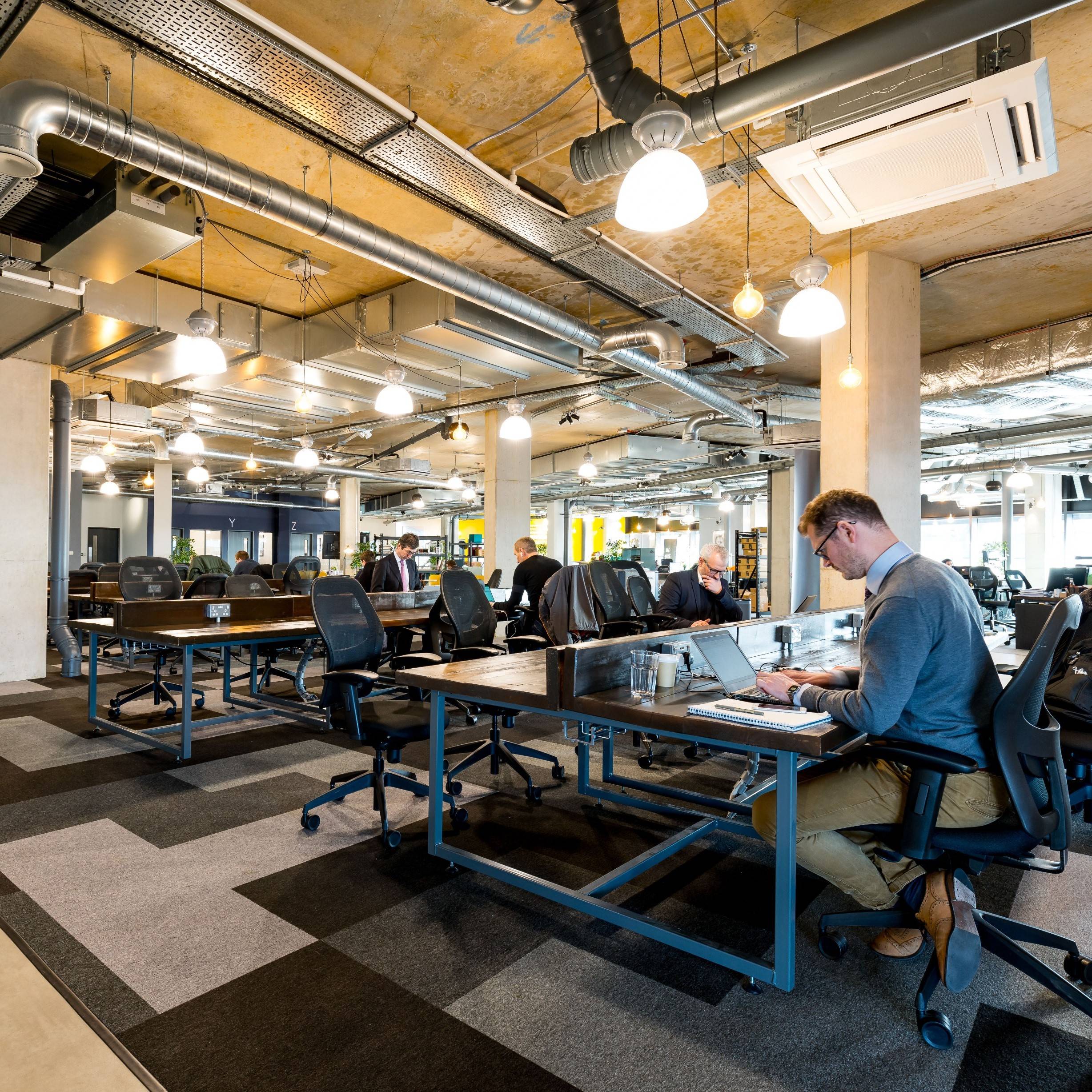


 The majority (82 percent) of employees have ideas about how their company can help improve the business claims a new survey, but over a third (34 percent) say their ideas are being ignored by their employers. The findings were announced alongside the launch of Sideways 6’s inaugural State of Employee Ideas report, which explores how employees at all levels, at businesses of all sizes, all over the world feel their company treats their ideas also reveals that 39 percent of females felt that their ideas are not being listened to, compared to 30 percent of males. Interestingly, despite the number of ideas they have, many employees remain fearful of voicing them. According to the findings, one fifth (18 percent) of those same ideas are never heard because employees are afraid to put them forward. The results also identified a clear disparity in levels of confidence to put forward ideas between younger and older employees. When surveyed, 64 percent of senior level employees strongly agreed that they have ideas and aren’t afraid to voice them, compared to 42 percent junior level employees.


 Built environment organisations are calling for urgent action on issues such as consumption, innovation and infrastructure to prevent the UK slipping behind other nations on poverty, equality and the environment as a new report released today (3 July 2018) highlights the UK’s inadequate performance against the United Nations Sustainable Development Goals (SDGs), including those for the built environment. The report, Measuring up, from the UK Stakeholders for Sustainable Development (UKSSD), is the first comprehensive assessment of the UK’s performance against all 17 SDGs and highlights a significant danger that quality of life in the UK will worsen if action is not taken. Just some of the findings of the report include; that the UK is performing well (green) on only 24 percent of its targets; no industry, innovation and infrastructure targets have achieved a ‘good’ performance rating, with gaps in policy coverage and inadequate or deteriorating performance and large scale, sustained investment in replacing ageing infrastructure and creating additional resilient and low carbon infrastructure of all kinds is required.












June 28, 2018
Ten demonstrable truths about the workplace you may not know
by Kerstin Sailer • Comment, Facilities management, Features, Workplace design
(more…)