September 17, 2018
AI will be commonplace in the working lives of staff very soon
 Experts at Henley Business School have announced that the majority of the graduate workforce in the UK will be working with artificial intelligence on a daily basis by 2030, with technology such as ‘AI assistants’ expected to be commonplace in the next decade. New research released at the Henley annual World of Work 2030 conference, claims that a third (35 percent) of UK workers are excited about the prospect of their own personal AI assistant. With the average worker currently spending 3.5 hours a week on admin tasks, assistants’ could give workers back 12 working days a year (over two working weeks) by taking on these activities and freeing up time for more productive tasks.

 Employers considering new flexible working options for their employees are concerned about the security and management implications, according to a recent poll, despite the fact that staff now have the legal right to request flexible arrangements. The survey of medium sized businesses, carried out for RSM by YouGov, found that over the next five years, three quarters of respondents were considering introducing flexible terms of employment, allowing workers to work outside 9 to 5 or increasing the use of remote working.

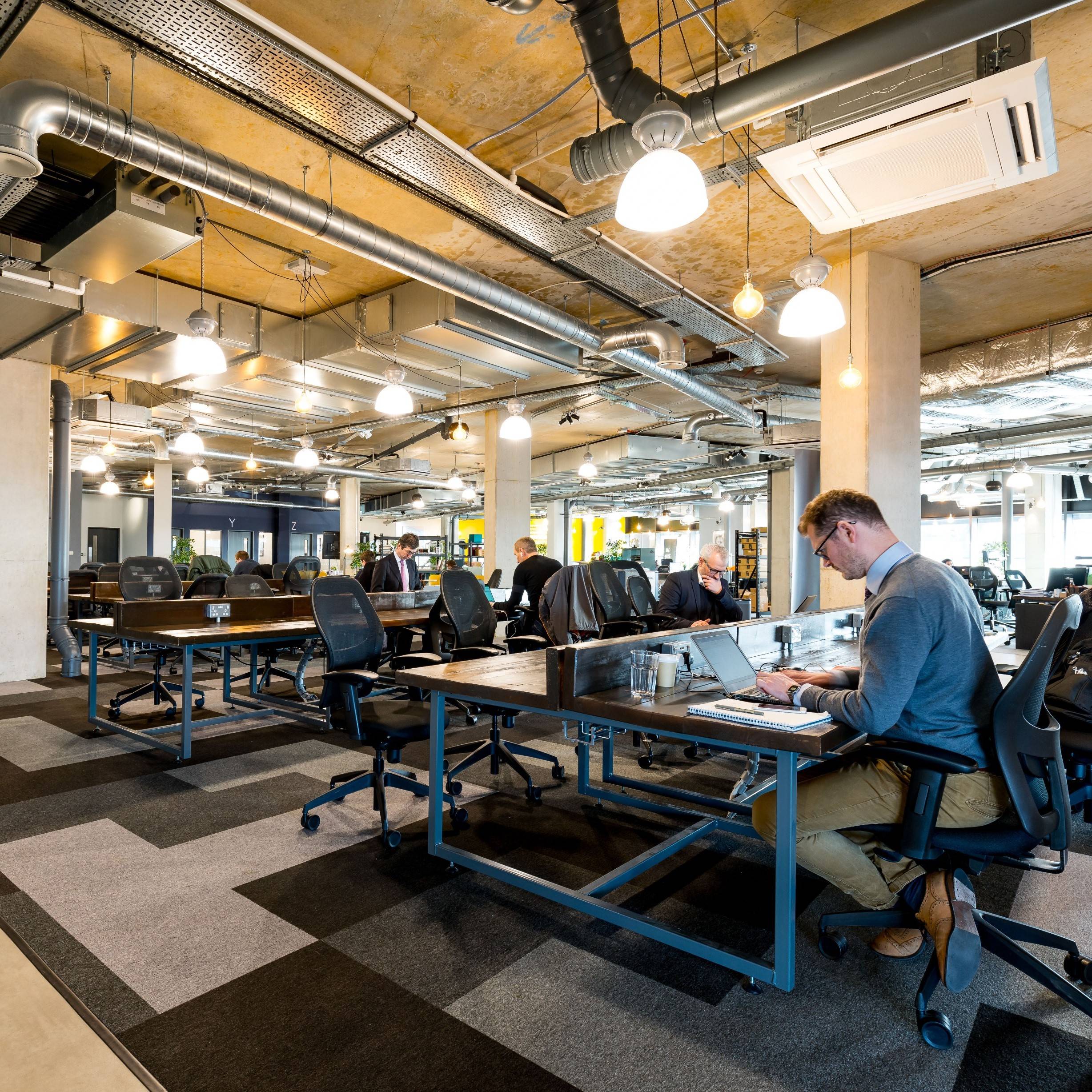



 Organisations are failing to get the basics right when it comes to providing the digital and virtual systems that support employees in their roles, despite an evolving technological landscape and rise in flexible working, a new report has claimed. Data released by Leesman analyses how organisations can better support employees by offering the technology tools and infrastructure that enable people to work in a flexible way. In Deloitte’s 2018 Tech Trends report issued at the beginning of 2018, there was a heightened focus on how disruptive technologies will help businesses achieve larger strategic and operational goals and drive greater value. It predicted that within the next two years, more companies will embrace the emerging ‘no-collar workforce’ trend by redesigning jobs and reimagining how work gets done in a hybrid human-and-machine environment. However, Leesman’s findings show that, as of yet, organisations are failing to get the digital basics right. According to its latest dataset (Q1 2018) 23 percent do not agree that they have the technology tools and infrastructure that enable them to work in different locations across the office or from different locations outside of the office.