







November 13, 2014
Workplace Week focuses on the office and individual productivity in all its forms
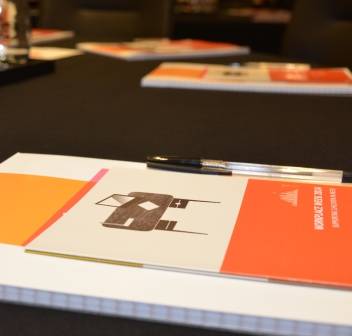 The holy grail of improving people’s productivity was the focus of this year’s Workplace Week, which took place last week from 3-7th November and raised more than £12,500 for Children in Need. The annual event organised by AWA and designed as a celebration of workplace innovation, included visits to 11 workplaces showcasing the latest techniques to get people performing at their very best, a day-long convention and a series of Fringe events. Andrew Mawson, who heads up AWA, opened the convention by setting the discussion in context. “We have maximised asset productivity by getting more people into buildings, and therefore working a building harder. But we need to focus on human productivity. If each organisation could make each person just 5 per cent more productive, that would have a major impact both on that organisation and the wider economy. In the knowledge economy we need to get the very best performance out of each and every brain on the payroll and to create the conditions that consciously support that.













November 7, 2014
Orgatec 2014 focuses on collaboration, quiet and wellbeing in the workplace
by Anna King • Comment, Events, Furniture, Workplace design
Anna King reports from the biennial office furniture and interiors fair Orgatec, which took place recently in Cologne: Collaboration seemed to be king once again at this year’s Orgatec trade fair in Cologne, so much so that you’d be hard pressed to find a conventional workstation amongst the thousands of products on display. Even ergonomic task chairs in the traditional sense were thin on the ground. Senator’s offering was typical in its focus on collaborative work and the provision of work settings. As well as the Ad-Lib Scholar range for educational establishments, it presented the Ad-Lib Work Lounge multipurpose chair, both the work of British design studio PearsonLloyd. This upholstered model complete with headrest is available on glides or castors so it can slot into a multitude of workplace scenarios. Shown in some rich shades such as moss green and turquoise, it comes complete with a fold-down worksurface for brainstorming or other group working.
(more…)