









August 16, 2016
Flexible working patterns may make us more susceptible to infection 0
 We are more susceptible to infection at certain times of the day as our body clock affects the ability of viruses to replicate and spread between cells, suggests new research from the University of Cambridge. The findings, published in the Proceedings of the National Academy of Sciences, may help to explain why people who work outside normal working hours are more prone to health problems, including infections and chronic disease. The time of day of infection can have a major influence on how susceptible we are to the disease, or at least on the viral replication, meaning that infection at the wrong time of day could cause a much more severe acute infection. According to the study, when a virus enters our body, it hijacks the machinery and resources in our cells to help it replicate and spread throughout the body. But, the resources our body has to fight infection fluctuate throughout the day, partly in response to our circadian rhythms – in effect, our body clock.

 The first full month of market activity in the UK’s commercial property sector since the Brexit vote, saw its value fall by just under three percent, according to
 A series of reports published in the past few days highlight the challenges faced by Britain’s disabled workers. The studies claim separately that disabled workers are keen to work but are less likely to be in employment and may be hiding disabilities from employers, are paid less when they are in work and that many employers do not feel they are well equipped to deal with the needs of disabled staff. The first study from Reed in Partnership and Disability Rights UK found that one in ten employers do not feel able to support a disabled employee. Meanwhile research from the Equality and Human Rights Commission (EHRC) found that employees who experience mental ill-health earn up to 42 per cent less than colleagues. A third report from Citizen’s Advice found that 40 percent of disabled people would like to work but can’t find a job. And finally a report from RIDI claims that many people applying for jobs may be hiding their disability from employers.
 A new report from Allied Market Research claims that the worldwide market for Building Information Modelling will grow by over a fifth to hit $11.7 billion by 2022, driven primarily by legislation demanding that all construction work should apply BIM. The
 A new report from the United Nations claims to identify the world’s leading nations in the use of the Internet to support sustainable development. The
 Small business owners are working thirteen hours a week more than the UK average, negatively impacting the health of nearly a third (28 percent) of them, according to a survey commissioned by business marketplace Bizdaq. According to
 The corporate real estate profession will be influenced, disrupted and transformed in the years ahead by a powerful combination of forces that are re-shaping business strategy and operations, consumer preferences, and how and where people want to live and work, according to a new report from CoreNet Global.
 The UK commercial property sector is now larger than at any time since before the last recession, claims a new analysis from the Investment Property Forum. It has risen nearly 50 percent since its lowest point in 2009 and is now valued at £871 billion, an increase of around 11 percent. The amount of stock actually shrank last year, according to the study, with the increase in overall value arising from price rises. The previous highest valuation the IPF puts on the market was £865 billion in 2006. All is not good news however as a second report from the same organisation which explores sentiment in the market following the Brexit vote confirms there is a great deal of uncertainty in the market. This is particularly acute in the London market which makes up over a third of the nation’s total and is increasingly dominated by foreign owners who may have a negative response to the UK’s vote to leave the EU. Intriguingly, the report found that total floorspace marginally declined over 2015 and has only increased by 0.9 percent since the market high of 2006.
 Fifteen million UK internet users have undertaken a ‘digital detox’ in a bid to strike a healthier balance between technology and life beyond the screen, according to a new Ofcom study. The study of around 2,500 people suggests that our reliance on the internet is affecting people’s personal and working lives, leading many to seek time away from the web to spend time with friends and family. Ofcom’s
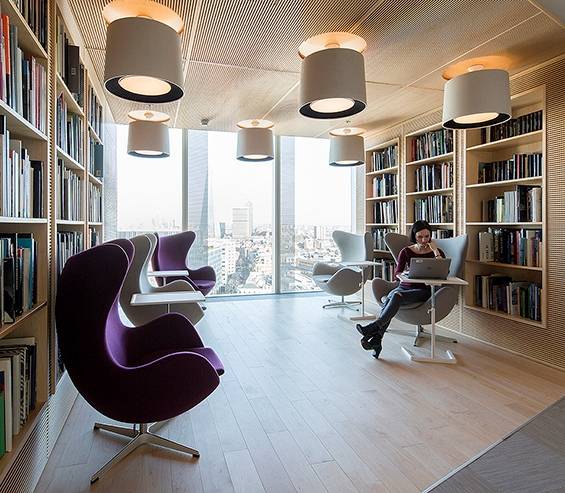
 1 The next big thing in office design is not what you think but is certainly a sign of the times, according to a story in Inc; it is









August 8, 2016
Universal basic income is an idea whose time has come at last 0
by Mark Eltringham • Comment, Flexible working, Technology, Wellbeing
(more…)