







July 15, 2019


July 11, 2019
Take up of shared parental leave constrained by traditional attitudes
Despite the introduction of shared parental leave rights, more than half of UK adults still think that women be the primary carers of babies and children, according to the latest British Social Attitudes Survey. Despite this, there has been a notable shift in attitudes over the last seven years, according to the researchers from the National Centre for Social Research. (more…)

July 10, 2019
Vast majority of workers want more flexible hours
The overwhelming majority (84 percent of workers) would like their organisations to offer more flexible hours of work, whether that’s time to suit personal needs, or the occasional early finish, according to a new report from Totaljobs. While employees have the legal right to request flexible working from their employer regardless of their existing contract, some companies have already built greater flexibility into their employer offering. Some go one step further with “agile working”, whereby employees can work from any location, at any time, by utilising appropriate technology. (more…)

July 3, 2019
Gig economy and freelance workers would prefer secure work
Freelancers, the self employed and workers in the so-called gig economy may like the flexibility but they would prefer a steady job, according to new research from the Centre for Economic Performance (CEP). The rise of non-traditional work arrangements is not due to workers wanting or demanding these jobs, but rather because they have no other choice the report concludes. What’s more, workers would agree to earn less in order to increase their employment security. The results come from analysis of data from over 4,000 UK and US workers, who were surveyed on their current work arrangements and the job attributes they most want. (more…)

June 27, 2019
We are running out of time to find the meaning of work
Last week’s report from the IFS detailing the ongoing rise in the numbers of working poor in the UK highlights just how dysfunctional work can be in the modern era. While depictions of work in the media tend to consist of diverse Millennials clustering around a single laptop in the sun-dappled offices of tech firms, or chilling on the Chesterfield in a coworking space, the reality for many people is somewhat different. (more…)

June 27, 2019
Bosses overwhelmingly in favour of flexible working
Businesses that fail to accommodate staff looking to set their own work schedule in some way will struggle to attract and retain talent, claims new research from Vistage. The research suggests that nearly two-thirds (73 percent) of UK CEOs and business leaders believe organisations that fail to offer flexible working to employees will face a struggle to attract talent. More than half (59 percent) of respondents said they’ve already written flexible working options into standard employment contracts. A further 36 percent say it’s either something they’re looking at or would consider in the future. (more…)

June 26, 2019
Flexible working is the new measure of success
Professional bragging rights were once the preserve of top earners. Those with massive salaries, huge bonuses, and in some cases, even bigger egos. Money equals success – technology has shifted that long held view. Today flexible working, in terms of hours, location and role, has become an embraced reality and chief workplace priority. Technology has blurred the lines between work and life. The new “digitally native” workforce now expect a flexibility and access in every aspect of their lives. More than ever, work is seen as an adventure which is to be explored, rather than accepted. (more…)
June 24, 2019
US workers do not want to work from home all the time
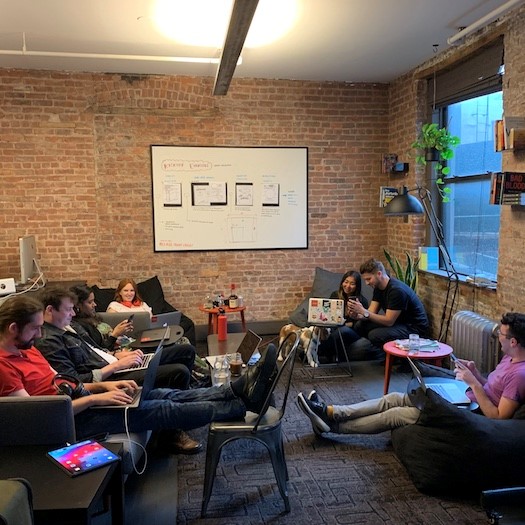
Most US workers prefer to spend some time in an office (83 percent) over fully working from home, according to a new survey of full-time employees from Clutch. Respondents claim that office based work helps them collaborate with coworkers and feel included in the company’s culture. However, more than half of employees (52 percent) say they prefer a private office to a workstation in an open floor plan or cubicle office at work. (more…)
June 18, 2019
Freelancers project economy now larger than creative sector
 Freelancers working on projects now contribute more to the economy than the creative industries, new research from the CRSE (Centre for Research on Self-Employment) claims. The ‘project economy’, made up of freelancers brought in for individual projects such as new products, innovation and infrastructure, contributes approximately £104bn to the UK economy every year, according to the CRSE’s Freelance Project and Gig Economies report. That is more than the £100bn of the creative industries and close to the £110bn contributed by the construction sector. The ‘project economy’ accounts for 73 per cent of the UK’s skilled freelancers – nearly five times the 15 per cent working in the so-called gig economy. (more…)

June 12, 2019
Lack of flexible working risks talent exodus
 New results from Wildgoose’s Flexible Working survey suggests that a significant number of UK employees are seeking out flexible working to better juggle life both in and out of work, without compromising productivity. The latest findings follow on from the organisation’s other successful insights surveys exploring diversity & inclusion and mental health in the workplace. (more…)

June 11, 2019
Over half of US workers offered flexible Fridays
 This summer, over half (55 percent) of US employers will offer employees the option to leave work early on Fridays or take the entire day off. The new survey by Gartner claims that so-called flexible Fridays are an example of the sort of perks organisations are offering to gain competitive advantage in attracting and retaining top talent in a labour market which features record low unemployment levels.










July 10, 2019
The growing problem of work separation anxiety
by Jenni Wilson • Comment, Flexible working, Wellbeing
(more…)