To provide the best experiences, we use technologies like cookies to store and/or access device information. Consenting to these technologies will allow us to process data such as browsing behaviour or unique IDs on this site. Not consenting or withdrawing consent, may adversely affect certain features and functions.
The technical storage or access is strictly necessary for the legitimate purpose of enabling the use of a specific service explicitly requested by the subscriber or user, or for the sole purpose of carrying out the transmission of a communication over an electronic communications network.
The technical storage or access is necessary for the legitimate purpose of storing preferences that are not requested by the subscriber or user.
The technical storage or access that is used exclusively for statistical purposes.
The technical storage or access that is used exclusively for anonymous statistical purposes. Without a subpoena, voluntary compliance on the part of your Internet Service Provider, or additional records from a third party, information stored or retrieved for this purpose alone cannot usually be used to identify you.
The technical storage or access is required to create user profiles to send advertising, or to track the user on a website or across several websites for similar marketing purposes.








 The dreary January weather can prompt many workers to dream of sunnier climates and start booking their holidays for the year. However, a new survey by consultancy Lee Hecht Harrison Penna claims that UK workers are not using up all of their holiday allowance. By the end of last year, employees had more than a week (7.5 days) of annual leave they had not taken.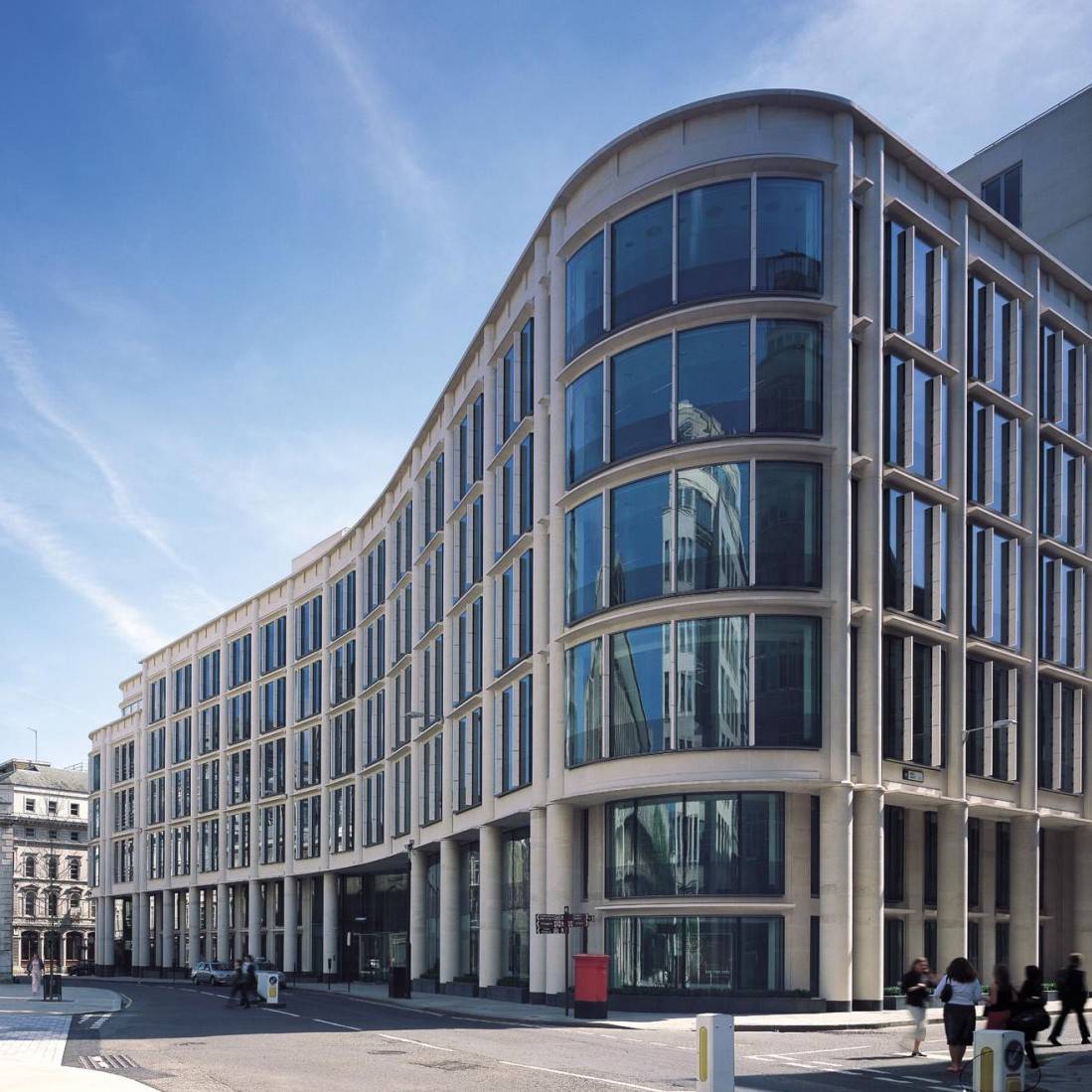
 Investment in Central London offices totalled £5bn in the final quarter of 2018, bringing the year-end total to £17.6bn, a 10 percent rise from 2017 and the highest level since 2014, according to data from CBRE. The final quarter of 2018 saw a 16 percent quarterly rise in investment volumes compared to Q3 2018 and a 69 percent increase on Q4 2017. Over the course of the year, five deals over £500m transacted, including the £1bn sale of 5 Broadgate to CK Asset Holdings and the £1.3bn sale of leaseback of Goldman Sachs’ new European HQ. Whilst none of these larger transactions completed in the final quarter of 2018, Q4 was the most active of the year in terms of number of deals transacted. A total of 65 deals completed in the final quarter of 2018, highlighting the persistent demand for assets in Europe’s principal gateway city. The largest investment transaction in Q4 2018 was the £400m+ sale of 30 Gresham Street to Wing Tai and Manhattan Group from Samsung.