







June 22, 2017
Shared desks are less hygienic than dedicated workstations, claims study 0
 A study by Initial Washroom Hygiene claims that microbiological activity is 18 percent higher in ‘hot desking’ environment. The firm claims that these findings suggest that having germs from different people on the surface of shared desks, computer mice and other equipment, means these workstations are typically home to more bacteria. The swabbing study was conducted using one company of over 100 employees with a fixed-desk environment. The same company then moved to a hot-desking environment, and the study was repeated in the same manner four months later. Experts from used an ATP bioluminescence reader to measure the microbiological concentration of various items on 40 different workstations, to determine what levels of bacteria these surfaces were harbouring. On average, the readings in the hot-desking office were 18 percent higher than those in the fixed-desk office. The use of communal computer mice in the hot-desk scenario was a key contributor to the difference in hygiene levels. Shared mice in the hot-desking environment had a 41 percent higher microbiological reading compared to readings taken from the computer mice on the fixed-desks.







 With the Met Office predicting that the hot weather looks set to continue for much of this week, workplace expert Acas, has offered some tips to help employers manage workplace challenges due to the hot weather. From a legal perspective, it advises that workplace temperatures should be reasonable as the Health & Safety Executive (HSE) has stated that the temperature in all workplaces inside buildings must be reasonable. The HSE offers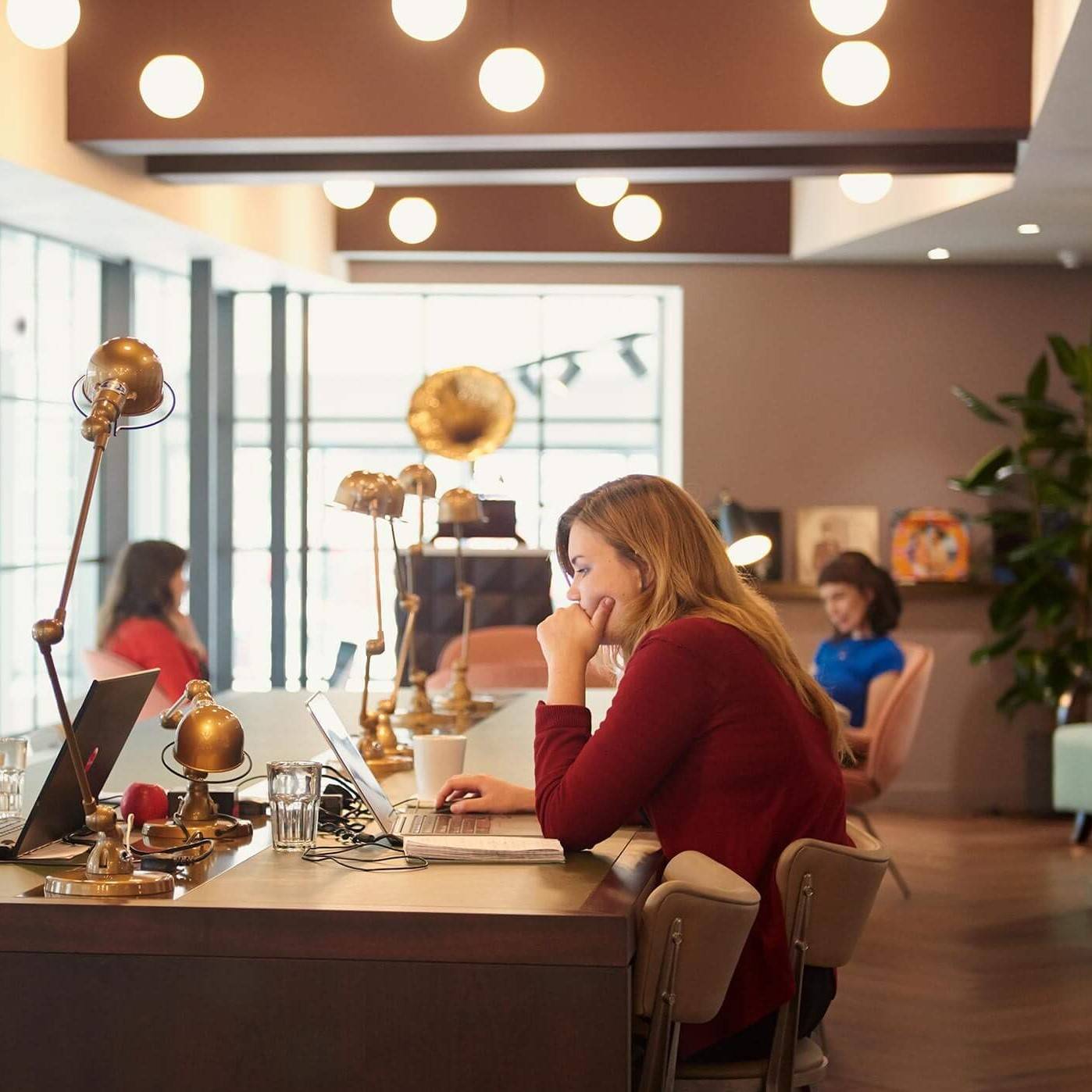
 An exodus of staff is expected at the end of June, claims a new study which predicts that 36 percent of employees will have left their jobs by the end of this month. Research from Robert Half UK entitled: ‘It’s time we all work happy: The secrets of the happiest companies and employees’ finds employees in London and the East of England are most likely to have left their roles by the end of June with nearly half of Londoners (49 percent) and 42 percent of those in cities like Cambridge, Norwich and Peterborough admitting they anticipate quitting their jobs in the first six months of the year. This trend is being driven by the millennial generation (aged 18–34), who despite experiencing above average levels of happiness (71.7) and interest (71.3) in their roles, are more likely to have left their jobs (49 percent) compared to a third of 35–54 year old’s and a fifth (21 percent) of those aged over 55.









June 14, 2017
Workplace wellbeing is now embedded in the very bricks and mortar of the building 0
by Sion Davies • Comment, Wellbeing, Workplace design
(more…)