







October 11, 2017
UK businesses continue to stifle personal creativity at work
 UK businesses are failing to support a culture of innovation despite employees believing that their companies would benefit from fresh ideas and innovative ways of working, new research claims. The study of 1,000 workplaces conducted by RADA in Business (the commercial subsidiary of the Royal Academy of Dramatic) found that 81 percent of workplaces had failed to create a culture of creativity at work that encourages new ideas and experimentation, according to their staff. Many employees feel that businesses are suffering as a result, with just under a quarter (24 percent) saying that their workplace is desperately in need of new ideas and fresh thinking to overcome current problems.






 UK workers are largely optimistic about the impact automation will have in the workplace, with three in four believing it will give them more time to concentrate on their primary job duties and work more flexibly, claims new research. Workfront’s annual State of Enterprise Work report, which aims to capture not only how work is being done and what challenges office workers see in the present, but also how they see current workplace trends playing out in the near future reveals that 84 percent agreed with the sentiment that “the use of automation in the workplace will let us think of work in new and innovative ways.” 82 percent expressed excitement at the chance “to learn new things as the workforce moves toward more automation;” and while the overwhelming view on automation was positive, around 2 in 5 (38 percent) feared that rising automation will place humans and robots in competition for the same jobs in the future.
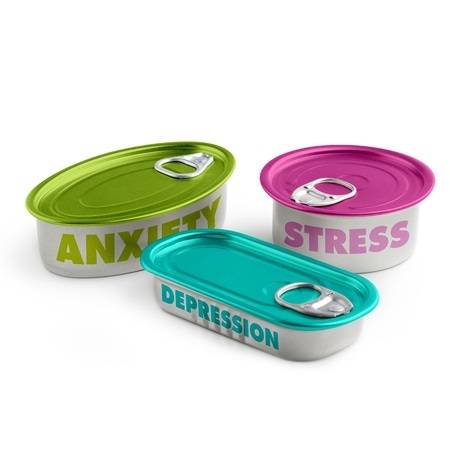
 UK workers are still uncomfortable about having honest conversations at work, with nearly two thirds (61 percent) feel they keep an aspect of their lives hidden in the workplace. The research from Inclusive Employers found family difficulties (46 percent) was the most likely hidden issue at work, followed by mental health (31 percent). One in five also admitted they would hide their sexual orientation while at work. It also found a generational divide, with 67 percent of employees aged between 18 -24 years old keeping something secret compared to 55 percent of those over aged 55 years or over. The data, released to mark National Inclusion Week 2017, found this lack of openness can have negative impacts on workers and employers, with over a quarter of workers (26 percent) admitting they would feel less connected to their workplace if they hid an aspect of themselves and 18 percent saying their performance would suffer.










October 9, 2017
Our Twentieth Century approach to ergonomics has to change
by Mark Eltringham • Comment, Flexible working, Technology, Wellbeing, Workplace design
(more…)