





July 11, 2017
Taylor Review on Modern Working Practices and the gig economy is published 0
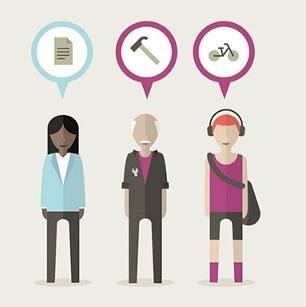 The long awaited UK government commissioned report into modern working practices and the so-called gig economy has been published at last. The Taylor Review was commissioned by the Department for Business, Energy & Industrial Strategy last year and there has been a great deal of speculation regarding its content ever since, especially last week after parts were apparently leaked to the media. You can follow the pile in now on Twitter and the festering pits of ignorance, prejudice and bile known as newspaper comment sections. Or you can read it here before you draw your own conclusions. We’ll be having our say tomorrow and sharing the thoughts of various organisations into its contents. The report was authored by Matthew Taylor, Chief Executive of the RSA and considers the implications of new forms of working, especially with regard to the gig economy and freelance work on worker rights and responsibilities, as well as on employer freedoms and obligations. It sets out seven key principles to address the challenges facing the UK labour market, set out below.

 Acas’ helpline receives many callers working on a zero hours, agency or self-employed arrangement who do so out of necessity rather than by choice, with some people feeling taken advantage of and unfairly excluded from employment rights. In its response to the Matthew Taylor review on modern employment practices the Acas Council looked at calls to its employment helpline, which revealed confusion and uncertainty around employment status and rights for those involved in the non-standard types of working. Prompted by evidence that these types of working arrangements are on the rise Acas has also published a new discussion paper on non-standard or ‘atypical’ forms of work, and identifies areas where good practice can be encouraged and improved. The discussion paper, Ain’t that typical? Everyday challenges for an atypical workforce, also reveals that the practice of ‘zeroing down’ workers’ hours is used in some workplaces to discourage staff from raising concerns or asserting rights.









 One in seven SME employees admit to feigning illness and taking at least three bogus sick days off each year in order to cope with a culture which expects them to be available all the time. Nearly half (42 percent) of staff who are pulling sickies do so because they need a rest as just under half (46 percent) of SME employees bother to use up their full holiday allowance. At the end of 2016, SMEs employed 15.7 million people and accounted for 99 percent of all private sector businesses. Due to the piling pressure on small business owners, half (51 percent) of the 1,500 British SME workers and business owners who were polled by breatheHR confessed to contacting an employee while they were on sick leave – this number jumps to 72 percent for younger business owners (18-34-year-olds) showing clear generational differences. Additionally, three-quarters (71 percent) of business owners would expect employees to work if they had a common cold. Why? Because absenteeism impacts the bottom line – 85 percent of business owners say it has an economic effect.










June 12, 2017
What will the UK General Election mean for the workplace? Some experts respond 0
by Mark Eltringham • Architecture, Comment, Flexible working, Property, Workplace, Workplace design
(more…)