






May 15, 2018
Workplace aggression can lead to vicious circle of misconduct
 New research led by the University of East Anglia (UEA) claims that frequently being the target of workplace aggression not only affects the victim’s health but can also cause them to behave badly towards others. Workplace aggression is a significant issue particularly in the healthcare sector, where nurses can be targeted by both their colleagues and co-workers through bullying, and by patients and their relatives through ‘third-party’ aggression. While workplace aggression has been examined in relation to the health-related consequences for victims, less is known about the possible negative impact it may have on their own behaviour at work. The findings of this study suggest that the experience of anger and fear associated with being the target of aggression at work could lead some nurses to translate the emotions that are triggered into misconduct, possibly disregarding professional and ethical codes. (more…)





 Work is no longer a place but a set of activities which lead to a set of outcomes that could be delivered anywhere. Or as John Blackwell, Quora Consulting’s Managing Director succinctly described it at the first of the 2018 Quora Smartworking Summit’s held last week, organisations need to create a ‘smart everywhere’ environment. New digital platforms make far it easier for people to work in exactly the way they want. Research by Quora has revealed that there are 5 million people currently working in the UK gig economy or around 15.6 percent of the total workforce. More people are working post retirement age and want to work in a way that they can control, while there are increasing numbers who simply want more autonomy in their lives in the way that self-employment can offer.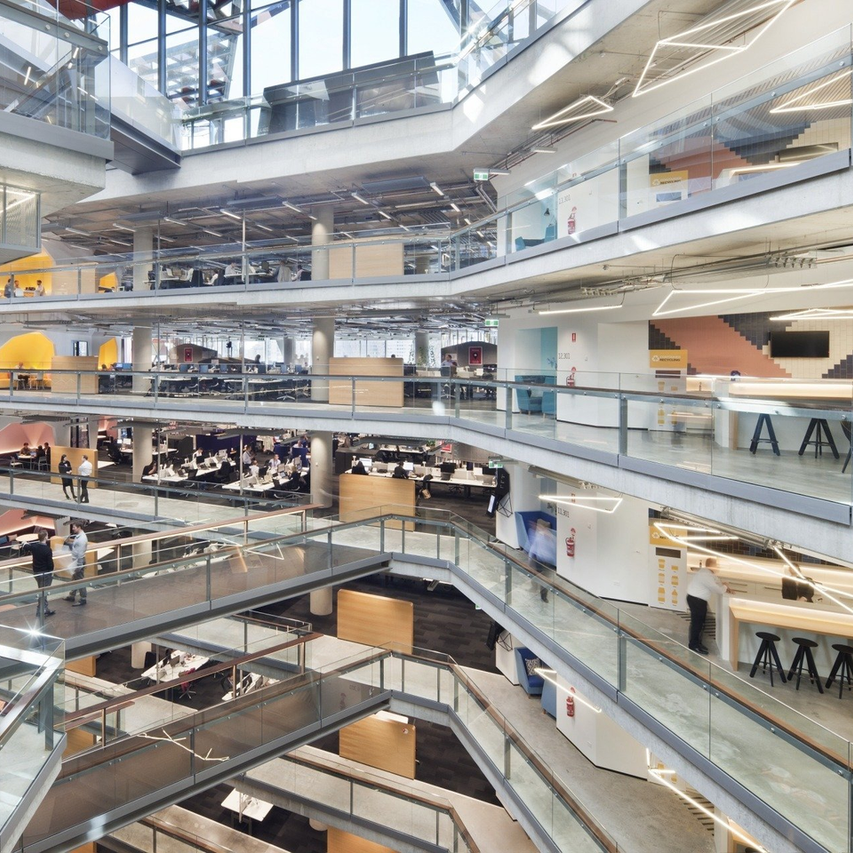




 A third of workers (32 percent) regularly struggle to be productive in their job, and one in six (16 percent) blame their manager – claims a new survey from ADP. This puts bad management ahead of inefficient systems and processes (15 percent) and staff shortages (13 percent) as the biggest drain on productivity in the UK workplace. The UK has been grappling with low productivity levels for a number of years, consistently placed behind other leading economies, such as Germany and the US in official productivity tables. While recent ONS figures suggested a recovery is underway, reporting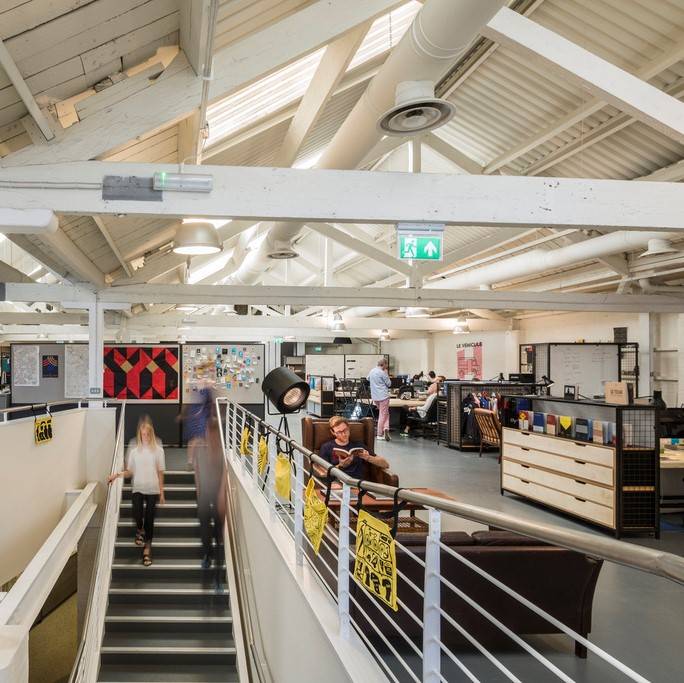









May 17, 2018
What exactly is driving the global workplace conversation?
by Andrew Mawson • Comment, Facilities management, Workplace design
(more…)