April 28, 2017
Poor home telecoms services deter four million employees from flexible working 0
 The UK’s appetite for remote and flexible working is being hampered by prohibitively slow broadband speeds and poor mobile coverage, according to new research from uSwitch.com. A quarter of employees (25 percent) have experienced issues with their telecoms services over the last year, resulting in a staggering four million being prevented from working from home. In the last 12 months, 43 percent of UK employees have worked from home at least once as people are taking advantage of the increasingly flexible work environments offered by businesses – a figure which rises to 55 percent amongst 18-34 year olds. Yet six in ten (58 percent) have fallen foul of sluggish internet speeds and patchy call quality in the last year alone. The problems have been so severe for half (46 percent) of those with issues that they believe they are no longer able to work from home while these problems persist.




 Long working hours are embedded into Small and medium sized firm’s (SME) culture, new research by AXA PPP healthcare has claimed, with 47 percent of employees in SMEs across the UK regularly working four or more hours of overtime per week, 27 percent of these putting in seven or more hours and for half (52 percent), the extra hours are unpaid. In addition, 22 percent of employees take fewer than 30 minutes for lunch, 19 percent have cancelled family time and 19 percent have missed a child’s event such as a school play due to working over and above their contracted hours. Over half (54 percent) of employees have continued to work after putting children to bed. With Britain’s small and medium sized firms making up 99.9 percent of the UK’s private sector businesses, employing nearly 3/5 of its workforce and accounting for 48 percent of the turnover this accounts for a lot of workers.
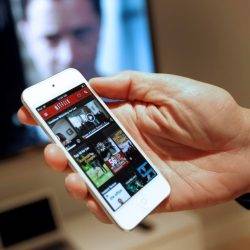 A majority (84 percent) of British employees use their smartphones at work, with 78 percent regularly responding to text messages during working hours and on average spending as many as 120 hours per year using their smartphones during the working day claims new research. The data, compiled by LaptopsDirect.co.uk, also found that 59 percent regularly take personal phone calls whilst working; 52 percent admit to answering instant messages via platforms such as Whatsapp and Facebook, and 9 percent have sent a Snapchat from their workplace. Employers are not completely against the use of smartphones, though under half (44 percent) permit the reasonable use of smartphones, according to the research; but 14 percent of respondents admit to having been told off for using smartphones at work, and 4 percent have been disciplined for use of their own tech during work time. Of most concern for employers is the fact that more than a third (38 percent) of respondents regularly check their social media accounts while at work.
 Fostering behavioural change among employees to encourage them to make healthier lifestyle choices could deliver both productivity gains and economic growth, a new report claims. According to Human-Centric Health: Behaviour Change and the Prevention of Non-Communicable Diseases, by the World Economic Forum in collaboration with Willis Towers Watson, behavioural economics will be critical to encourage healthier lifestyles and reduce the burden of non-communicable diseases (cardiovascular disease, mental illness, cancer, chronic respiratory disease and diabetes) that account for approximately 16 million premature deaths annually and will cost an estimated cumulative loss of $47 trillion in economic activity worldwide over the next two decades. According to the analysis, technology such as mobile phones with accelerometers that make activity challenges easier and engage individuals in a community of supportive peers will improve people’s understanding of health-related knowledge and encourage them to reshape their behaviour. Linking individuals to ‘commitment contracts’ to exercise, quit smoking, or adhere to medicine prescription schedules will also be easier to monitor using sensors and mobile technology.


 Employees would like more freedom and flexibility at work with over half believing that the structure and culture of their workplaces are holding them back from doing their job more effectively (55 percent and 53 percent respectively). That’s according to new research from ILM, which has launched a new
 The majority (79 percent) of workers say reliable and modern technology is more important to them than office aesthetics, while accessories such as ping pong tables, slides, hammocks and wacky office designs may look good in pictures, but they don’t necessarily make employees any happier or productive. The is according to a survey, conducted by storage firm Kiwi Movers, which found that 86 percent of UK adults who work in an office said fun features were of no specific value to their working life, 11 percent said they were nice-to-have and of some value and 3 percent said they were very valuable. The most popular office perks are those offer an immediate tangible benefit to the employee, but even so, as many as 23 percent don’t take advantage every day; while 71 percent overall said they’d like more space in their office and of those, 58 percent believe that could be achieved by removing non-essential items. The research also found that younger workers were more likely on average to take advantage of ‘environmental’ perks like chill out areas and recreational equipment.