





April 4, 2017
Almost half of employees are more stressed at work than they were a year ago 0
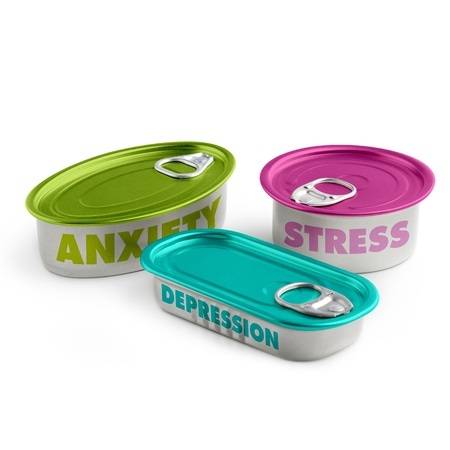
 Nearly half (46 percent) of employees questioned in a new survey feel more stressed at work than they did a year ago and 17 percent feel their work stress levels are ‘much higher,’ new research has claimed. The data, from Specialists4Protection.co.uk also suggests that 16 percent of people in work claim to have taken medical advice to help them cope with work-related stress, and 13 percent are on medication partly because of this. Just 12 percent say they feel less stressed than they were 12 months ago. The impact of this is not just felt at work. Fifty five percent of those suffering from work related stress say it has adversely affected their sleep, and 19 percent claim it’s contributed towards a decline in their relationship with their partner. Four out of ten (40 percent) say work-related stress means they are not eating properly and 42 percent are doing less exercise.



 Today (29 March) the Prime Minister triggers Article 50 to begin the UK’s exit from the European Union, and a new piece of research claims that almost two thirds (62 percent) of HR professionals expect this to impact their HR strategy and more worryingly, over a third (35 percent) say that the leave vote will impact the profits of their business. According to the research from employee benefits specialist Secondsight, 37 percent have opted not to hire over the coming year, and 39 percent agreed that recruiting the right people into their business will now be more difficult than before the decision to leave was made. However, on a more encouraging note, 95 percent of the HR professionals surveyed will see their budget rise in 2017, and 18 percent plan to introduce new benefits in the year ahead.

 Flexible working can increase employee job satisfaction and organisational commitment, but staff who work flexibly under an ad hoc arrangement appear to perform better than those who go through a more formal process, according to research from




 Long working hours are embedded into Small and medium sized firm’s (SME) culture, new research by AXA PPP healthcare has claimed, with 47 percent of employees in SMEs across the UK regularly working four or more hours of overtime per week, 27 percent of these putting in seven or more hours and for half (52 percent), the extra hours are unpaid. In addition, 22 percent of employees take fewer than 30 minutes for lunch, 19 percent have cancelled family time and 19 percent have missed a child’s event such as a school play due to working over and above their contracted hours. Over half (54 percent) of employees have continued to work after putting children to bed. With Britain’s small and medium sized firms making up 99.9 percent of the UK’s private sector businesses, employing nearly 3/5 of its workforce and accounting for 48 percent of the turnover this accounts for a lot of workers.

 A new guide for facilities management professionals working with clients on BIM construction projects has been issued by the BIFM (British Institute of Facilities Management). Employer’s Information Requirements is a practical 47-page document to support clients using BIM (Building Information Modelling) to advise clients on how to specify their exact requirements for the design and construction phase of a built asset through to its full life-time operation. The purpose of the EIR is to support both FM professionals and clients by providing a template which can be edited and amended by the client or facilities manager to meet individual requirements for the project. Its guidance follows the publication of BIFM’s Operational Readiness Guide For Facilities Managers published in April 2016. Since April 2016, construction projects commissioned by Central Government have been required to use BIM for their procurement and delivery.


 Gig economy workers are as likely to be satisfied with their work as workers in traditional employment, according to a major new survey published today by the CIPD which provides the first robust estimate of the size of the gig economy. Currently, 4 percent of UK working adults aged between 18 and 70 are working in the ‘gig economy’, which means approximately 1.3 million people are engaged in ‘gig work’ according to ‘To gig or not to gig: Stories from the modern. The report, which is based on a survey of 400 gig economy workers and more than 2,000 other workers, as well as 15 in-depth interviews with gig economy workers found that nearly two-thirds (63 percent) believe the Government should regulate to guarantee them basic employment rights and benefits such as holiday pay. But the research also found that, contrary to much of the rhetoric, just 14 percent of respondents said they did gig work because they could not find alternative employment.