







January 11, 2017
Detoxify the workplace to improve employee wellbeing and productivity 0
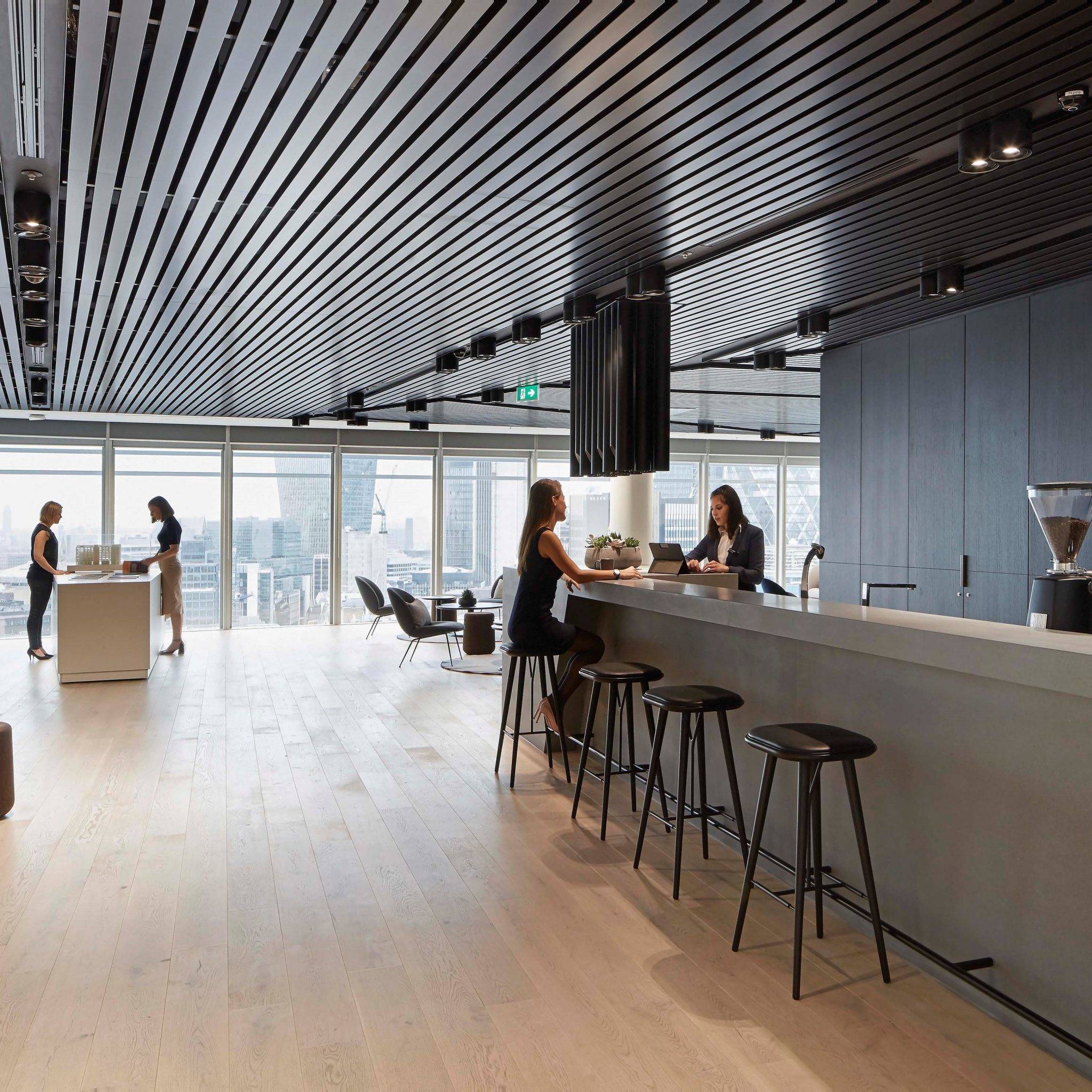 While most organisations recognise the importance of keeping their employees safe, not enough focus is being given to wellness, and those organisations that do not prioritise employee wellness and design their workplaces accordingly will lose talent and potentially face bottom line repercussions. This is according to AECOM, which is urging organisations to “detoxify” their work environments to improve employee wellbeing. With 9.9 million working days lost due to work-related stress, depression or anxiety in Great Britain in 2014/151, employees’ health and happiness can have a direct impact on business performance. Making improvements to the physical environment can help organisations create spaces and working cultures that encourage creativity, support wellbeing and increase job satisfaction. (more…)

















November 25, 2016
Workplace professionals should look to the consumer sector for boosting engagement 0
by Jeff Flanagan • Comment, Facilities management, Workplace, Workplace design
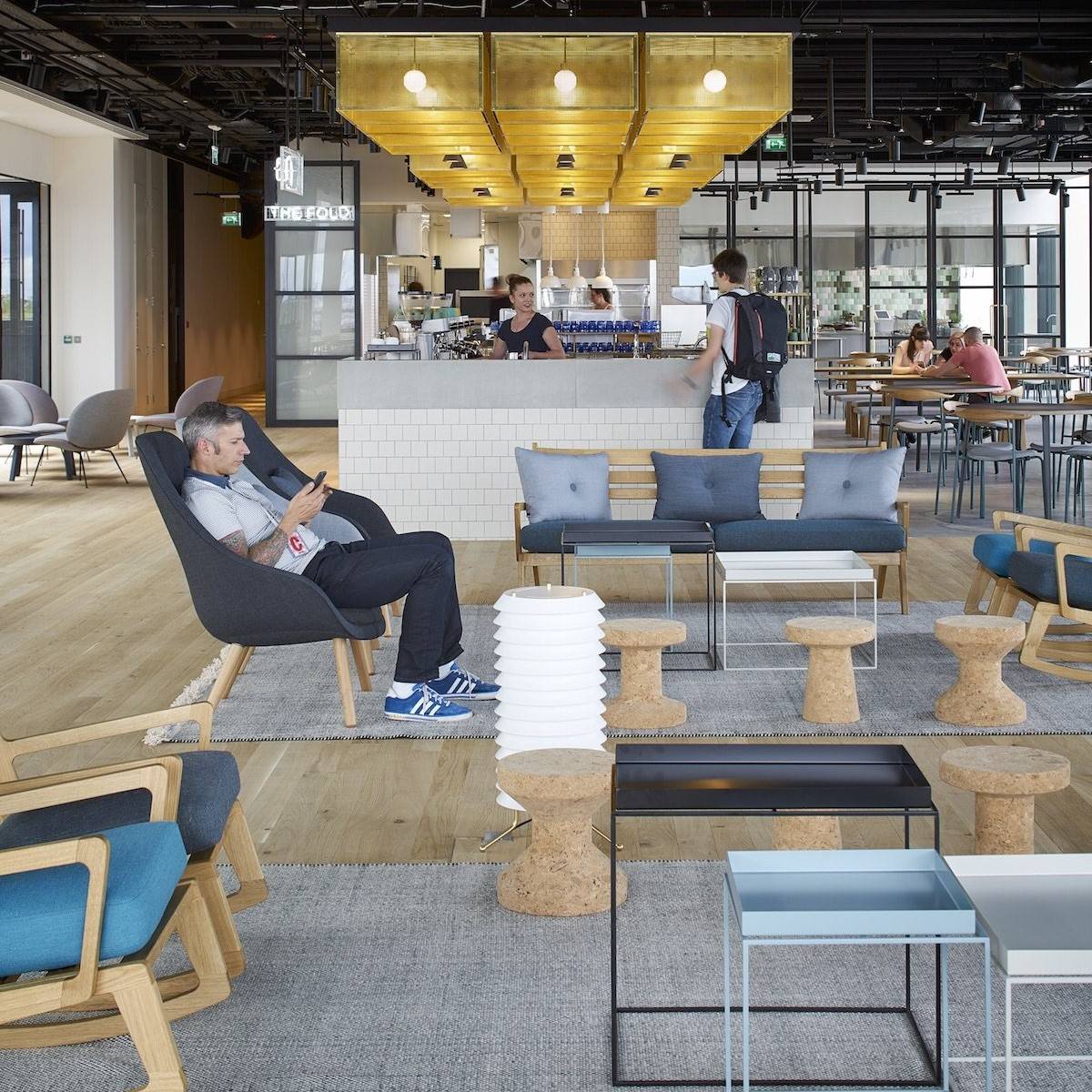
More and more businesses are recognising the power of the workplace experience to drive employee performance and engagement. Global brand Airbnb, for example, has now renamed its head of human resources as “chief employee experience officer.” This is good news for workplace design and management professionals. We are well placed to capitalise on this shift in business opinion, but if we want to make a tangible impact, we need to bring practical solutions to the table. First and foremost, these need to be backed up by research. There have been few studies specifically into what makes a healthy and productive work environment. However, there are a number of research projects that examine how a human being’s surroundings impact their mood and behaviour, and in particular how consumer environments shape customers’ perception of and engagement with a brand. As workplace professionals, we can learn a great deal from this consumer research and this is why workplace design and management teams should look towards consumer-facing industries for inspiration.
(more…)