Search Results for: innovation

How modern FNP programs prepare nurses for a changing workplace

How modern FNP programs prepare nurses for a changing workplace

The healthcare landscape is evolving faster than ever before. From the rise of telehealth to new models of patient-centered care, nurses today face a dynamic workplace that demands not only clinical expertise but adaptability, leadership and a commitment to lifelong learning. Family Nurse Practitioner (FNP) programs are stepping up to meet this challenge and equipping nurses with the skills and knowledge necessary to thrive in a changing environment.

Modern FNP programs recognize that healthcare is no longer confined to traditional hospital settings. Graduates may find themselves working in clinics, community health centers, telemedicine platforms or even corporate wellness programs. To prepare for these diverse roles, FNP programs emphasize flexible learning pathways that combine online coursework, simulations and in-person clinical experiences. This hybrid approach mirrors the evolving nature of the healthcare workplace itself where technology and adaptability are essential for success.

For example, a nurse pursuing an FNP program may complete a significant portion of theoretical learning online, allowing them to balance work, family or other commitments while still gaining essential knowledge. Clinical rotations in multiple healthcare settings ensure exposure to a wide variety of patient populations and workplace environments. This combination prepares graduates to adapt quickly and perform effectively no matter where they practice.

Bridging clinical expertise and leadership skills

Healthcare organizations today require practitioners who can make independent decisions, lead teams and coordinate care across multiple settings. Modern FNP programs integrate leadership training, evidence-based practice and interprofessional collaboration into their curriculum. Nurses graduating from these programs are not only clinically competent but also prepared to take on managerial roles, lead quality improvement initiatives and contribute to organizational strategy.

Leadership training often includes exercises in conflict resolution, team communication and project management. Students may participate in simulated scenarios where they lead a patient care team, making decisions under pressure while coordinating with physicians, nurses and support staff. These experiences build confidence and practical skills, ensuring graduates can navigate the complexities of modern healthcare workplaces.

Emphasizing technology and innovation

Digital transformation is changing healthcare delivery. Electronic health records, remote patient monitoring and telehealth platforms are now standard tools in many practices. FNP programs are adapting by incorporating training in healthcare technology, data analysis and telehealth. By familiarizing students with the tools they will use in practice, these programs ensure that graduates are ready to thrive in technologically sophisticated workplaces.

For instance, students may practice conducting virtual consultations or learn to interpret patient data from remote monitoring devices. They also gain skills in digital documentation, privacy compliance and cybersecurity, which are increasingly important when it comes to protecting sensitive patient information. By integrating technology into the curriculum, FNP programs produce graduates who are capable of improving efficiency and patient outcomes through innovation.

Prioritizing well-being and workplace resilience

The pandemic highlighted the critical importance of well-being in the healthcare workforce. Nurses are at risk of burnout due to long hours, high stress and the emotional demands of patient care. Modern FNP programs increasingly focus on self-care, stress management and professional resilience. By fostering emotional intelligence and coping strategies, these programs help nurses sustain long and demanding careers.

Courses may include mindfulness techniques, time management strategies and guidance on maintaining work-life balance. Mentorship programs provide additional support, helping students navigate the challenges of both education and professional practice. Graduates who have been trained to prioritize well-being are better equipped to manage stress, contribute positively to their teams and maintain high-quality patient care over time.

Preparing for the future of healthcare

Modern FNP programs aren’t just about clinical skills. They are about preparing nurses for a rapidly changing workplace that values flexibility, leadership and technological competence. Graduates are ready to meet the challenges of healthcare environments that range from traditional hospitals to community clinics, telehealth platforms and corporate wellness programs. They are equipped to support patient-centered care while also advancing organizational goals and improving workplace resilience.

Healthcare organizations benefit from hiring nurses trained in these comprehensive programs. FNP graduates bring advanced clinical knowledge, strong leadership capabilities and the ability to adapt to new technologies. They are prepared to implement evidence-based practices, mentor junior staff and contribute to innovations in patient care delivery. In short, FNP programs are shaping a workforce that is ready for the demands of modern healthcare.

Building a resilient healthcare workforce

The role of the Family Nurse Practitioner is now more important than ever before. Modern FNP programs prepare nurses to meet the needs of a complex and changing healthcare workplace by combining clinical expertise, leadership training, technological skills and well-being strategies. Graduates leave these programs ready to deliver high-quality care, lead teams and adapt to new challenges. For nurses pursuing advanced education and healthcare organizations seeking a resilient workforce, FNP programs provide the tools and training necessary to succeed in today’s evolving healthcare environment.

Design Festival North is back for 2026, but with Birmingham replacing Manchester

Design Festival North is back for 2026, but with Birmingham replacing Manchester

Design Festival North, the regional design event organised by Design Social North, will return in 2026 with an expanded programme visiting Leeds, Birmingham and Liverpool.Design Festival North, the regional design event organised by Design Social North, will return in 2026 with an expanded programme visiting Leeds, Birmingham and Liverpool. The one-day festival, which takes place on 12 March, will bring together architects, interior designers, specifiers and suppliers to explore new products and ideas from across the design and built environment sectors. The organisers say the event aims to strengthen connections between creative professionals and foster collaboration across regions outside London. (more…)

UK regions receive additional £20 million to support science and technology growth

UK regions receive additional £20 million to support science and technology growth

Three UK regions will receive an additional £20 million each to support science and technology development as part of a government initiative to drive innovation outside London and the South EastThree UK regions will receive an additional £20 million each to support science and technology development as part of a government initiative to drive innovation outside London and the South East. The Greater Manchester, West Midlands and Glasgow City regions will see their total funding rise to £50 million each through the Local Innovation Partnerships Fund. The announcement coincides with the first Regional Investment Summit in Birmingham, where government ministers, local leaders and business representatives are discussing ways to strengthen regional economies through research, innovation and private investment. The funding is intended to help local partnerships expand projects in areas such as advanced manufacturing, clean energy and life sciences, translating research activity into commercial growth. (more…)

Interface introduces In The Mix, a new terrazzo-inspired LVT 

Interface introduces In The Mix, a new terrazzo-inspired LVT 

Interface, the global flooring solutions company and sustainability leader, has introduced In The Mix™, its latest resilient style blending the on-trend look of terrazzo with the performance benefits of LVTInterface, the global flooring solutions company and sustainability leader, has introduced In The Mix™, its latest resilient style blending the on-trend look of terrazzo with the performance benefits of LVT. Available in versatile neutral colourways, the product brings a modern lens to a classic design in a way that supports high-performing commercial spaces. With In The Mix, Interface is responding to the need for terrazzo-inspired flooring solutions without the complexity and upkeep of traditional terrazzo. The aesthetic is now available in a modular tile format, providing more design flexibility while still delivering on the signature look that terrazzo is known for. And the product, like all Interface LVT, is easy to install and maintain, making it a better solution for many projects.    (more…)

Not just cuckoo clocks. Why Switzerland is the world’s most innovative country

Not just cuckoo clocks. Why Switzerland is the world’s most innovative country

Switzerland retains its long-standing position as the world’s most innovative economy, followed closely by the United States, Sweden, the United Kingdom, and SingaporeIn Orson Welles’ famous scene-stealing cameo in The Third Man, his character Harry Lime comes out with that (in)famous speech about Swiss culture. “In Italy for thirty years under the Borgias, they had warfare, terror, murder, and bloodshed, but they produced Michelangelo, Leonardo da Vinci, and the Renaissance,” he says. “In Switzerland, they had brotherly love, they had five hundred years of democracy and peace, and what did that produce? The cuckoo clock.” This does the Swiss a disservice in a number of ways, not least that a major new report claims that Switzerland is maintaining a long tradition as the most innovative country in the world. (more…)

Business leaders are told to move fast and break things. But sometimes they shouldn’t

Business leaders are told to move fast and break things. But sometimes they shouldn’t

Business leaders are often told to embrace uncertainty, shake things up, and move fast. But this mantra masks the dangers of disruption, which can just as easily harm as help.Business leaders are often told to embrace uncertainty, shake things up, and move fast. But this mantra masks the dangers of disruption, which can just as easily harm as help. In recent research with Richard Haynes, Ingo Marquart, and Hai Anh Vu, we examined a disruptive leadership approach called “annealing.” My summary view: Although annealing can prompt change and innovation, most leaders should pause and reflect before trying. (more…)

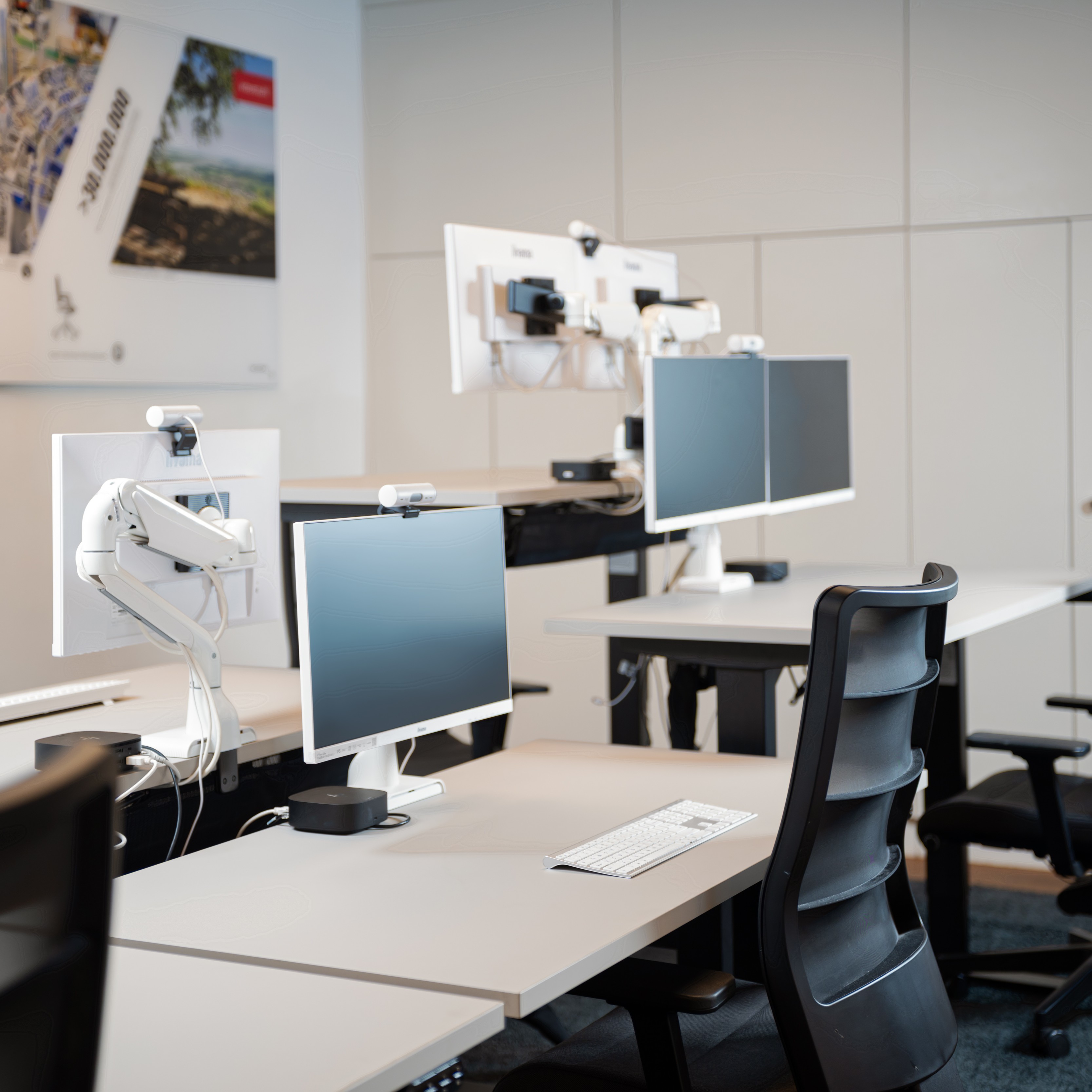
Exhibitors to look out for at Workspace Design Show in Amsterdam

Exhibitors to look out for at Workspace Design Show in Amsterdam

This November, Workspace Design Show returns to RAI Amsterdam, Hall 5 with the theme Activate the Senses — transforming the exhibition floor into a vibrant journey through sound, light, texture, and space. Over two inspiring days, 5–6 November 2025, the Benelux workplace design community will gather to explore how multi-sensory design is reshaping the way we work. Alongside 150+ international exhibitors, visitors will encounter interactive features and installations created by the likes of Biophilic Design Academy, Casper Schwarz Architects, UNS, Mecanoo, and Tank Design. (more…)

Young people aren’t lazy or disloyal. They just expect different leadership

Young people aren’t lazy or disloyal. They just expect different leadership

As they join the workforce in greater numbers, this new cohort is helping to redefine what work and leadership meanFor decades, the idea of a “good job” was measured with a simple formula: a stable contract and competitive salary. That rule does not seem to hold in the same way for Generation Z, broadly understood as those born between 1995 and 2010. As they join the workforce in greater numbers, this new cohort is helping to redefine what work and leadership mean. Salary still matters, of course, particularly when it comes to gaining independence in a time of high living costs, but many young people no longer see pay as the decisive factor in choosing or staying in a job. Instead, they are attentive to whether companies are genuine in their values, whether their work carries purpose, and whether employers are aware of their social impact. (more…)

Global commission on healthy indoor air launches at United Nations

Global commission on healthy indoor air launches at United Nations

The Global Commission on Healthy Indoor Air has been formed to drive action on indoor air qualityA new international initiative was launched in New York during Climate Week to address what experts describe as one of the most overlooked public health issues of our time. The Global Commission on Healthy Indoor Air has been formed to drive action on indoor air quality, bringing together nearly 170 leaders from over 30 countries across health, academia, business and the built environment. The Commission was announced at a United Nations side event and is backed by the International WELL Building Institute. Its members include former United States Surgeon General Dr Richard Carmona, leading scientists and researchers, deans of major universities, as well as executives and sustainability leaders from real estate, technology, and manufacturing. Architecture, engineering and building science are also strongly represented, reflecting the cross-disciplinary nature of the challenge. (more…)

AI generated ‘workslop’ is destroying productivity, say researchers

AI generated ‘workslop’ is destroying productivity, say researchers

Workslop is a new term for the flood of low quality content and outputs produced by employees leaning too heavily on generative AIA new analysis published in the Harvard Business Review suggests that the rapid adoption of artificial intelligence tools is undermining productivity in many workplaces rather than improving it. The article introduces the idea of “workslop”, a term used to describe the flood of low quality content and outputs produced by employees leaning too heavily on generative AI systems. According to the research, the number of organisations adopting AI has risen sharply in the past two years, with many leaders assuming the technology would deliver immediate efficiency gains. Yet a study from MIT Media Lab cited in the article found that 95 percent of organisations have seen no measurable return on their investment in AI. Instead of freeing people from routine tasks, many firms are finding that AI is creating new layers of work. Drafts, reports and proposals generated by software are often superficial, incoherent or riddled with errors, requiring staff to spend additional time correcting or recreating them. (more…)

Adoption of workplace AI is inconsistent and riddled with contradictions

Adoption of workplace AI is inconsistent and riddled with contradictions

New research claims to reveal the significant divides in how organisations are adopting artificial intelligence, with some reporting positive outcomes and others citing fear, risk and job losses.New research claims to reveal the significant divides in how organisations are adopting artificial intelligence, with some reporting positive outcomes and others citing fear, risk and job losses. The study, carried out by The Adaptavist Group as part of its latest Digital Etiquette: Unlocking the AI Gates report, surveyed 900 professionals responsible for introducing and onboarding workplace AI in the UK, US, Canada and Germany. It found a sharp split between the 42 percent of respondents who believe their company’s AI claims are over-inflated and the 36 percent who do not. (more…)

People are handing work to AI agents even though they are unreliable and lack accountability

People are handing work to AI agents even though they are unreliable and lack accountability

UK workers expect to hand over almost a third of their workload to AI agents within the next year, yet most say the technology is still unreliable and lacks clear accountabilityUK workers expect to hand over almost a third of their workload to AI agents within the next year, yet most say the technology is still unreliable and lacks clear accountability, according to a new poll from Asana’s Work Innovation Lab. The survey of more than 2,000 workers, including 1,021 in the UK, found that employees anticipate delegating 32 percent of tasks to AI within 12 months and 41 percent within three years. At present, only a quarter feel ready to do so. Despite the rapid spread of adoption, with nearly three-quarters already using AI agents, concerns about reliability and oversight remain high. (more…)