To provide the best experiences, we use technologies like cookies to store and/or access device information. Consenting to these technologies will allow us to process data such as browsing behaviour or unique IDs on this site. Not consenting or withdrawing consent, may adversely affect certain features and functions.
The technical storage or access is strictly necessary for the legitimate purpose of enabling the use of a specific service explicitly requested by the subscriber or user, or for the sole purpose of carrying out the transmission of a communication over an electronic communications network.
The technical storage or access is necessary for the legitimate purpose of storing preferences that are not requested by the subscriber or user.
The technical storage or access that is used exclusively for statistical purposes.
The technical storage or access that is used exclusively for anonymous statistical purposes. Without a subpoena, voluntary compliance on the part of your Internet Service Provider, or additional records from a third party, information stored or retrieved for this purpose alone cannot usually be used to identify you.
The technical storage or access is required to create user profiles to send advertising, or to track the user on a website or across several websites for similar marketing purposes.








 I recently had the pleasure of travelling to Cape Town to present a keynote address at the Dare to Lead conference organised by Green Building Council South Africa (GBCSA). I had just 20 minutes to speak on a psychologist’s view of health, wellbeing and performance; that’s a huge subject area and pretty much my whole career condensed down to the typical time it takes to boil a pan of potatoes. So, I focused on just three psychological theories: motivation, personality and evolutionary psychology.
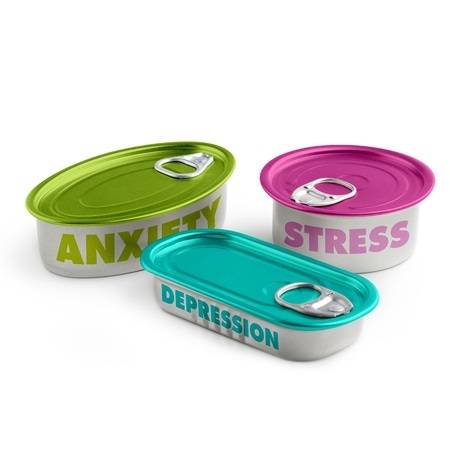
 UK workers are still uncomfortable about having honest conversations at work, with nearly two thirds (61 percent) feel they keep an aspect of their lives hidden in the workplace. The research from Inclusive Employers found family difficulties (46 percent) was the most likely hidden issue at work, followed by mental health (31 percent). One in five also admitted they would hide their sexual orientation while at work. It also found a generational divide, with 67 percent of employees aged between 18 -24 years old keeping something secret compared to 55 percent of those over aged 55 years or over. The data, released to mark National Inclusion Week 2017, found this lack of openness can have negative impacts on workers and employers, with over a quarter of workers (26 percent) admitting they would feel less connected to their workplace if they hid an aspect of themselves and 18 percent saying their performance would suffer.

















October 19, 2017
How our smartphones stop us from living in the moment
by Joelle Renstrom • Comment, Technology, Wellbeing
(more…)