






October 8, 2014
New property programme supports co-working between tech businesses
 Over the next decade, London’s digital tech sector is expected to grow at a rate of 5.1 per cent per annum, creating an additional £12 billion of economic activity and 46,000 new jobs, which in turn is driving change in the commercial property market. Now the rapid rise of the UK property tech market is to get a boost with the announcement of a programme which provides tech companies with access to investment, mentoring and co-working business space. In a strategic partnership with Cushman & Wakefield and Spire Ventures; Pi Labs, Europe’s first property-focused technology accelerator company, will invite start-ups to apply to join the Pi Labs accelerator programme. This will be located within ‘Second Home’, a new iconic 20,000 sq. ft. co-working space in Shoreditch, designed to set new global standards in the provision of stimulating private and social workplace environments supporting collaboration and co-working amongst creative and technology businesses.
(more…)

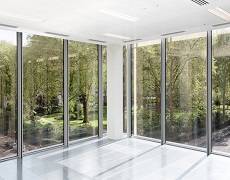



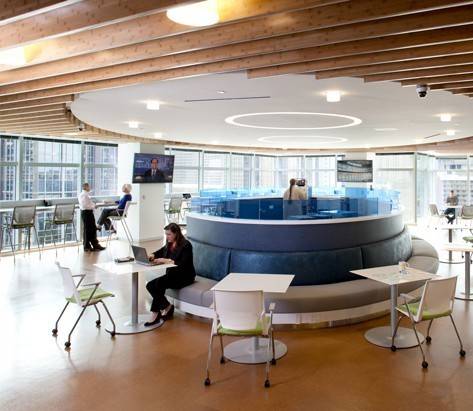




 Avanta Serviced Office Group has signed a deal to establish a new business centre in the heart of London’s Tech City at The Eagle, a 27 storey art-deco-style development on City Road, EC1, from Mount Anvil – Central London’s specialist residential-led developer. The centre is set to open on the 1st March 2015. The new centre will provide over 26,000 square feet of flexible office space over two floors, with approximately 400 desks. Set within a mixed-use development comprising retail, affordable accommodation, offices and high-end residential, it is located within TFL’s Zone 1, approximately five minutes’ walk from Old Street Rail and Underground Station, just two stops from Kings Cross.bThis is Avanta’s first site within Tech City, also known as Silicon Roundabout, which is the third largest technology start-up cluster in the world and home to over 15,000 growing businesses.








September 25, 2014
Why a more flexible approach to where and when we work is long overdue
by Sara Bean • Comment, Facilities management, Flexible working, News