






July 26, 2017
Putting people at the centre of building design could provide large boost to the economy
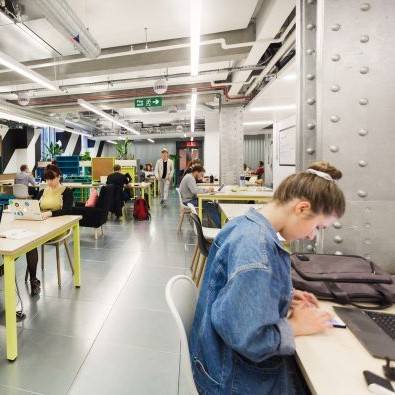
 More thoughtfully designed workplaces, centred around people’s needs, could improve performance and help tackle the UK’s productivity gap, according to a new report. Applying design thinking to boost workplace productivity by 5-8 per cent could contribute up to £20 billion to GDP. The potential gain in productivity, equivalent to twice the annual contribution to UK GDP made by the aerospace industry, is revealed in research conducted by researchers from Imperial College London in partnership with Atkins. Atkins commissioned the research to better understand and quantify the economic benefit from human centred design. The research claims to examine the ripple down effect on productivity brought about by an human centred focus on health and wellbeing. This in turn has a benefit for future business growth and can enhance the position of the national economy, according to the report. The research claims to support the importance of employees’ experience of the building in which they work and confirms that steps to create the right working environment can have a material impact on staff productivity and wellbeing.








 Nearly three quarters (70 percent) of employers say it’s healthy for employees to have someone to confide in at work, according to new research, but it claims, 1 in 4 employees would consider leaving the company if their friend left. The totaljobs research which featured responses from over 4,000 employees and 103 employers on the latest trends in workplace relationships and office politics found that two thirds (65 percent) of UK workers are finding ‘work spouses’ in the office – that one person who they are very close. Although over half of employers (56 percent) say strong work friendships increase productivity and 60 percent of work spouses say their relationship means ‘they look forward to going into work’, which can help improve staff retention, 1 in 4 (23 percent) say if their friend left, they would consider leaving themselves. Nearly one in 10 (7 percent) go as far as to say that their work spouse leaving the company would be ‘like a bereavement’.









July 24, 2017
Employers have a growing responsibility to provide staff with cycling facilities
by Peter Ferrari • Cities, Comment, Property, Wellbeing
(more…)