






January 8, 2016
The six things all people need from their workplace 0
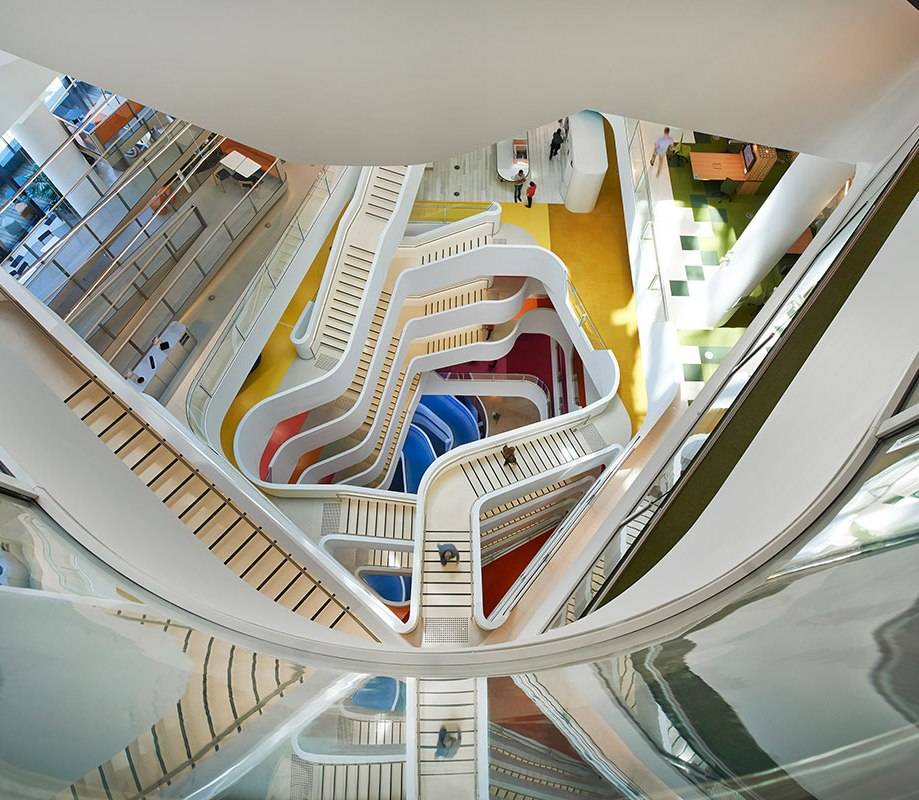
 Whether we like it or not, we all have to work for some, or more usually, most of our adult life. During this time, many of us will work in an office, which is a place that has changed immensely – not only in the last ten years or so, but almost entirely since the start of the twentieth century. The management structure and style of companies, the tools available to the workforce, and the places within the office buildings have been changing and evolving. There has been a shift from hierarchical management structures to a more diverse and organic model. The tools of work have changed from the humble typewritten letter and Bakelite telephone to 24/7 access to emails though laptops and smart phones. And finally the workplace itself has evolved from one with enclosed offices for the senior managers, or a sea of cubicles to workplaces that encourage creativity and collaboration.








 A new meta analysis compiled by researchers from Harvard Business School and Stanford University raises questions about the way Government and organisational policies designed to tackle the problems of work related health costs in the United States have largely ignored the health effects of ‘psychosocial workplace stressors’ such as high job demands, economic insecurity, and long work hours. The analysis of 228 existing studies assessed the effects of ten workplace stressors on four specific health outcomes. The researchers claims that job insecurity increases the odds of reporting poor health by about 50 percent, high job demands raise the odds of having a diagnosed illness by 35 percent, and long work hours increase mortality by almost 20 percent. They argue that any policies designed to address these issues should account for the health effects of the workplace environment.







January 12, 2016
A cynic’s field guide to workplace terminology, part three 0
by Simon Heath • Comment, Facilities management, Technology, Workplace, Workplace design
(more…)