







January 22, 2019
A four hundred year old guide to ergonomics that still rings true today
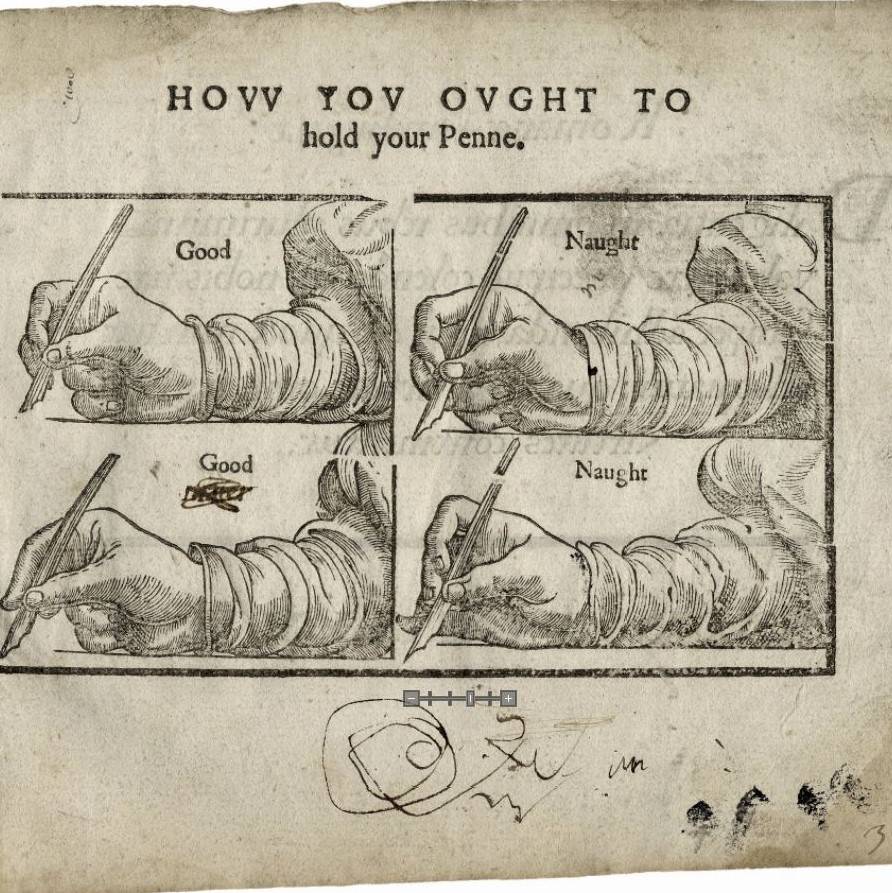 Changes to the nature of work, where it takes place and the things we use to complete it are always constrained by one particular eternally fixed element; the human being. The unchanging individual at the centre of it all is the thing that makes us return to old ideas time and again and ensures that whatever we do, something like it will have been done before in some way or other. That goes for products like the office cubicle as well as apparently modern principles such as ergonomics. The term ergonomic may have been coined as recently as the 1950s and we might associate it primarily with the ways in which we use computers, but the ideas behind it have always been with us since we started using tools. Looking back, what we learn is that people have been writing guides to good ergonomics at least since the early seventeenth Century.
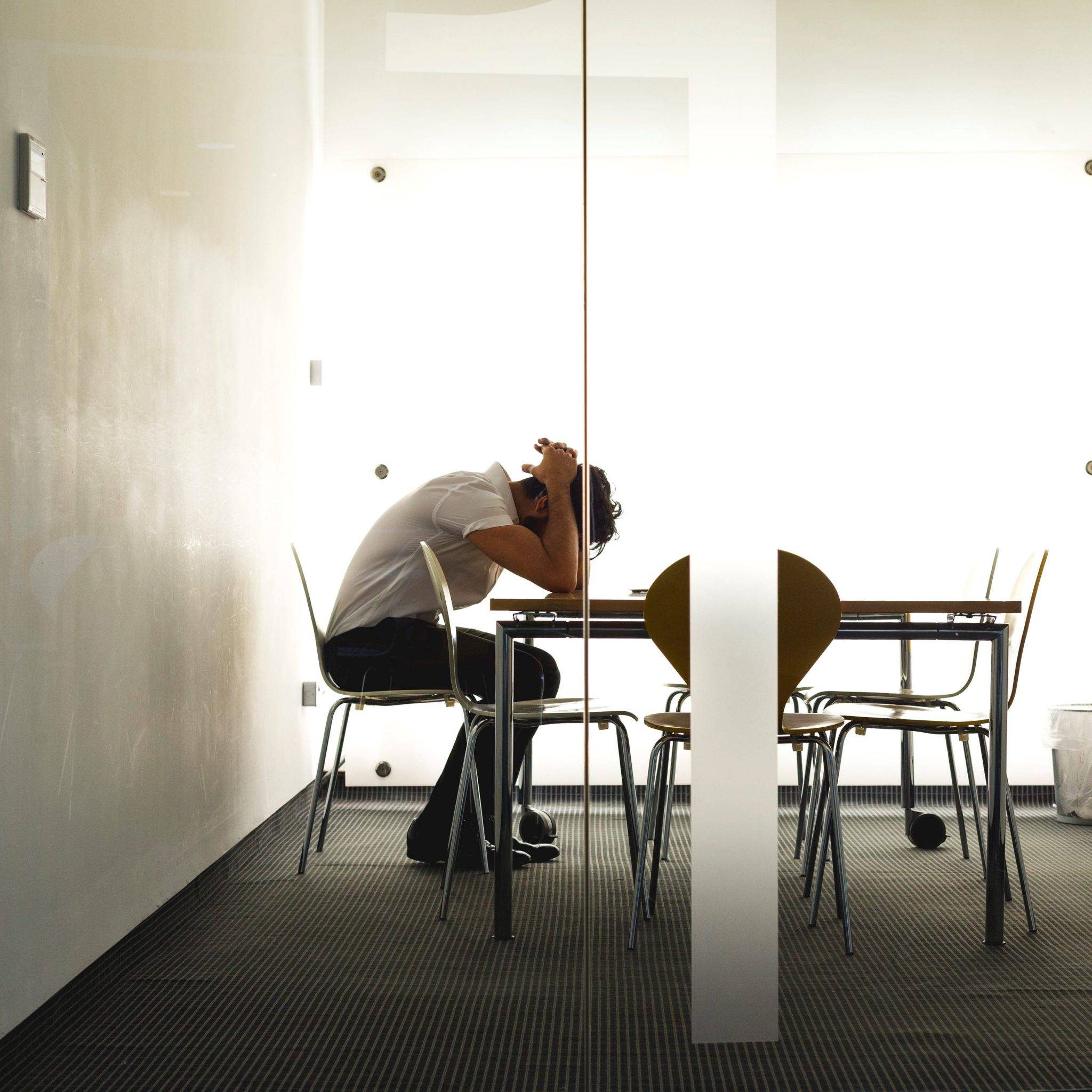
 The collective effort to improve mental health awareness has gained real momentum in recent years and in the workplace there’s growing recognition that mental wellbeing among employees is good for business. But the way we’re working – the ‘always on’ culture, innovation moving at breakneck speed, and a global workforce operating 24/7 – is creating a mental burden among employees that is generating more mental health challenges. According to the City Mental Health Alliance, 44 percent of employers are seeing an increase in reported mental health concerns. Our own research of international business leaders has also shown that two thirds of them have suffered from mental health conditions. This is not only worrying for the individuals but problematic for the wider business, as culture is driven from the top.












January 23, 2019
Work’s not working; to be productive we need to get creative
by Zoe Humphries • Comment, Workplace design
(more…)