







August 17, 2021
Right to disconnect should be enshrined in law, says report
 An overtime “epidemic” driven by the rise in home working during the pandemic must be curtailed with new right to disconnect laws, according to a report from think-tank Autonomy. The authors claim that unpaid labour is a growing problem in the UK, exacerbated by home working during the pandemic. They say employees are frequently contacted by their employers after the working day has finished officially to complete tasks, which impacts their mental health. The report proposes draft legislation to implement a ‘right to disconnect’ based on French law, which ensures respect for employee rest periods and allows them to ignore work calls and emails outside of working hours. (more…)

 Nearly half (42 percent) of employees think the working culture of their organisation has deteriorated during the pandemic. That’s according to research by
 A third of UK workers admit they’ve forgotten the password to their computer, office entrance or locker, one in five workers have forgotten a colleague’s name or called them by the wrong name and say their small talk skills have been impacted by working from home. Those are some of the findings of a new report from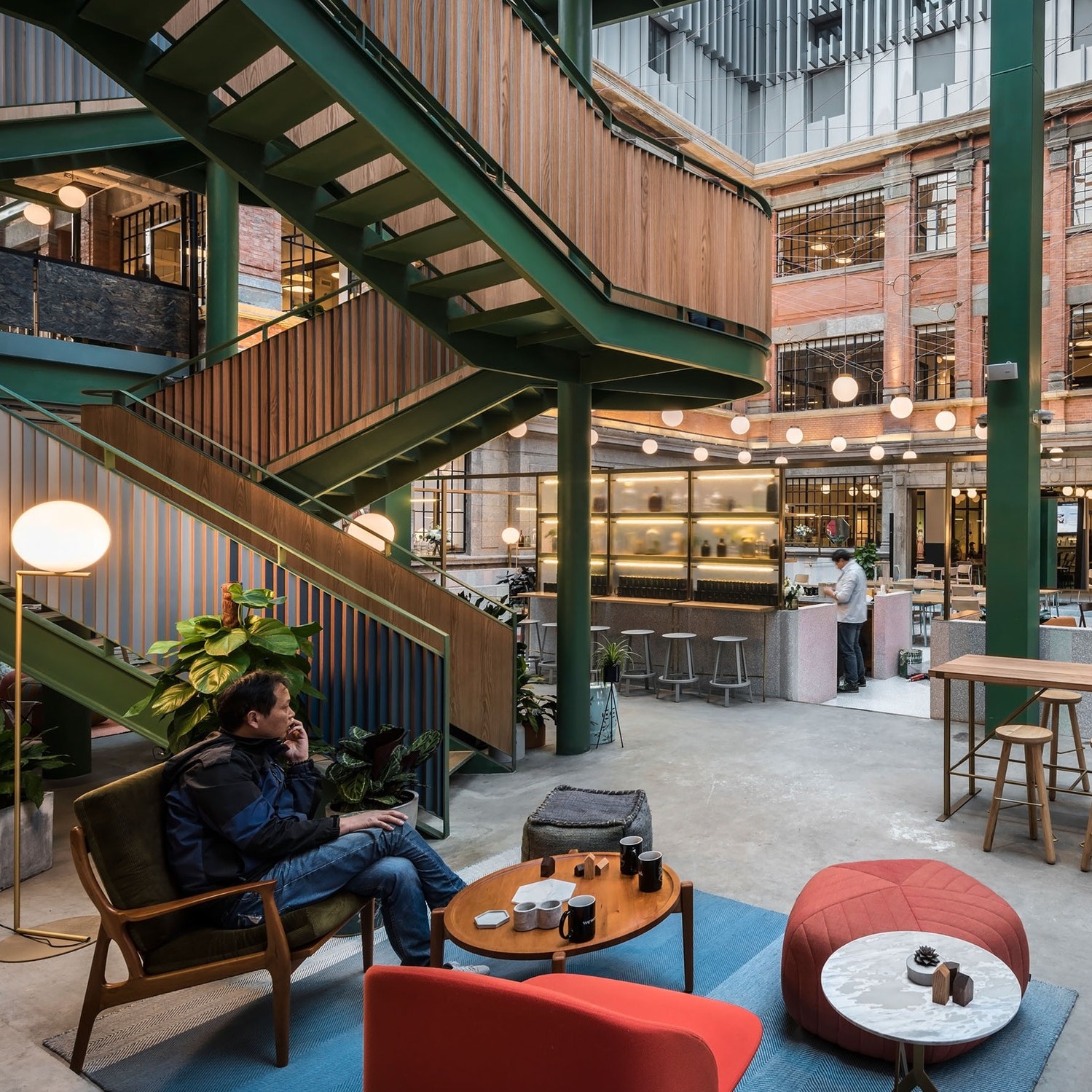
 WeWork, arguably the world’s most talked-about flexible space providers, and Cushman & Wakefield, the global real estate services firm, have announced they have entered into an exclusive strategic partnership to market both landlords and businesses on WeWork’s management experience platform and on several new jointly developed ideas aligned with the new appetite for flexible working.
 Scotland and Wales are the two UK countries where the most companies offer remote work positions at 2.96 percent and 2.48 percent respectively, according to a new study by the
 A gap is emerging between executive and employee perceptions on the future of the ’employee experience’, according to a report from Gartner. The 2021 Gartner Hybrid Work Employee Survey of 4,000 employees in January 2021 claims that there are six perception gaps that employers must resolve. The Gartner survey claims that 75 percent of executive leaders believe they are already offering a flexible employee experience, yet only 57 percent of employees indicate that their organisational culture embraces flexible working. Further, nearly three-quarters of executives believe the business understands how flexible work patterns support employees, but only half of employees share this view.
 New research from the US based
 Throughout the pandemic many workplaces have offered their employees more flexibility. Flexible working options such as adjusting hours, days, or place of work, are attractive to many employees.
 After more than a year of remote working, the majority of UK workers are well-versed in office-free employment. We’ve had plenty of time to think about how the experience has affected our working habits.
 As SMEs emerge from the pandemic and with further changes to restrictions, it seems they have another challenge to face – the refreshed interest in and demand from employees to work in a company that meets their wellbeing needs, according to









August 4, 2021
No rush to get back to the office despite easing of restrictions
by Alexandra Anders • Comment, Flexible working, Working culture