






May 31, 2018
Fewer than half of Australians now work in a traditional job
 Fewer than half of employed Australians now hold a standard, traditional job, according to a new report into the growth of insecure employment published by the Centre for Future Work. The report, The Dimensions of Insecure Work: A Factbook, reviews eleven statistical indicators of the growth in employment insecurity over the last five years: including part-time work, short hours, underemployment, casual jobs, marginal self-employment, and jobs paid minimum wages under modern awards. It defines a standard job as permanent full-time paid work with leave entitlements. According to the authors, all the indicators of job stability have declined since 2012, thanks to a combination of weak labour market conditions, aggressive profit strategies by employers, and passivity by labour regulators.







 One in four workers (28 percent) would move jobs if they weren’t allowed to work from home, increasing to nearly half (45 percent) of millennial workers. Yet while two thirds of UK employees (65 percent) can work from home, 35 percent are still not given the option of working remotely.
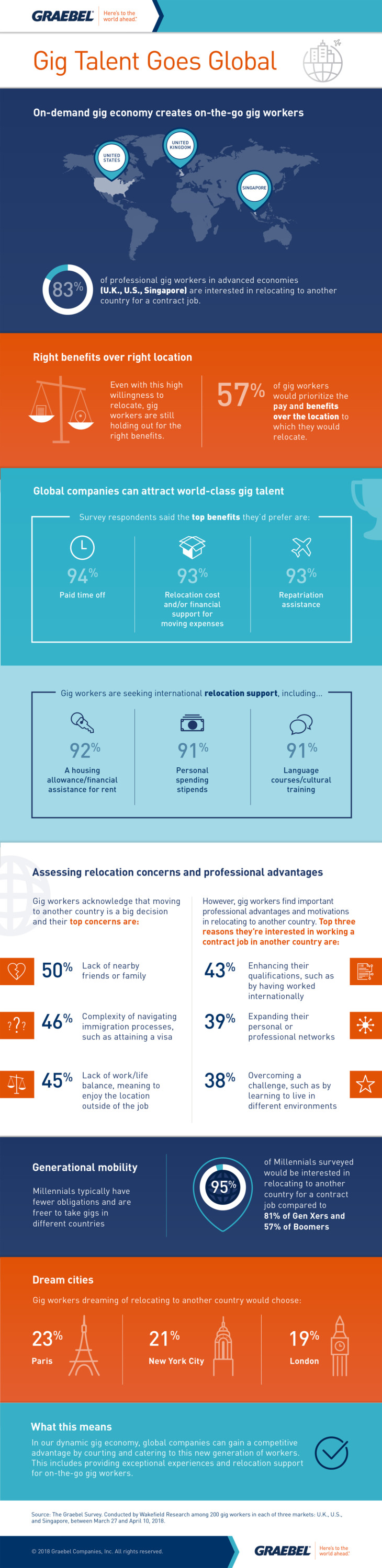
 UK businesses are already one of the top employers of short contract “gig workers” at an international scale and with Brexit just around the corner, a new
 Eight in ten workers use their personal smartphones for work purposes to make their jobs easier as almost half report wasting 10 minutes per hour in their working day due to their employers’ ineffective technology. According to the






 With companies holding ever greater amounts of data and facing heightened scrutiny through social media, employers need to consider the wider implications of their business decisions. This was the message of the President of the