Search Results for: Working from home

Designing for productivity means creating space for us to be alone

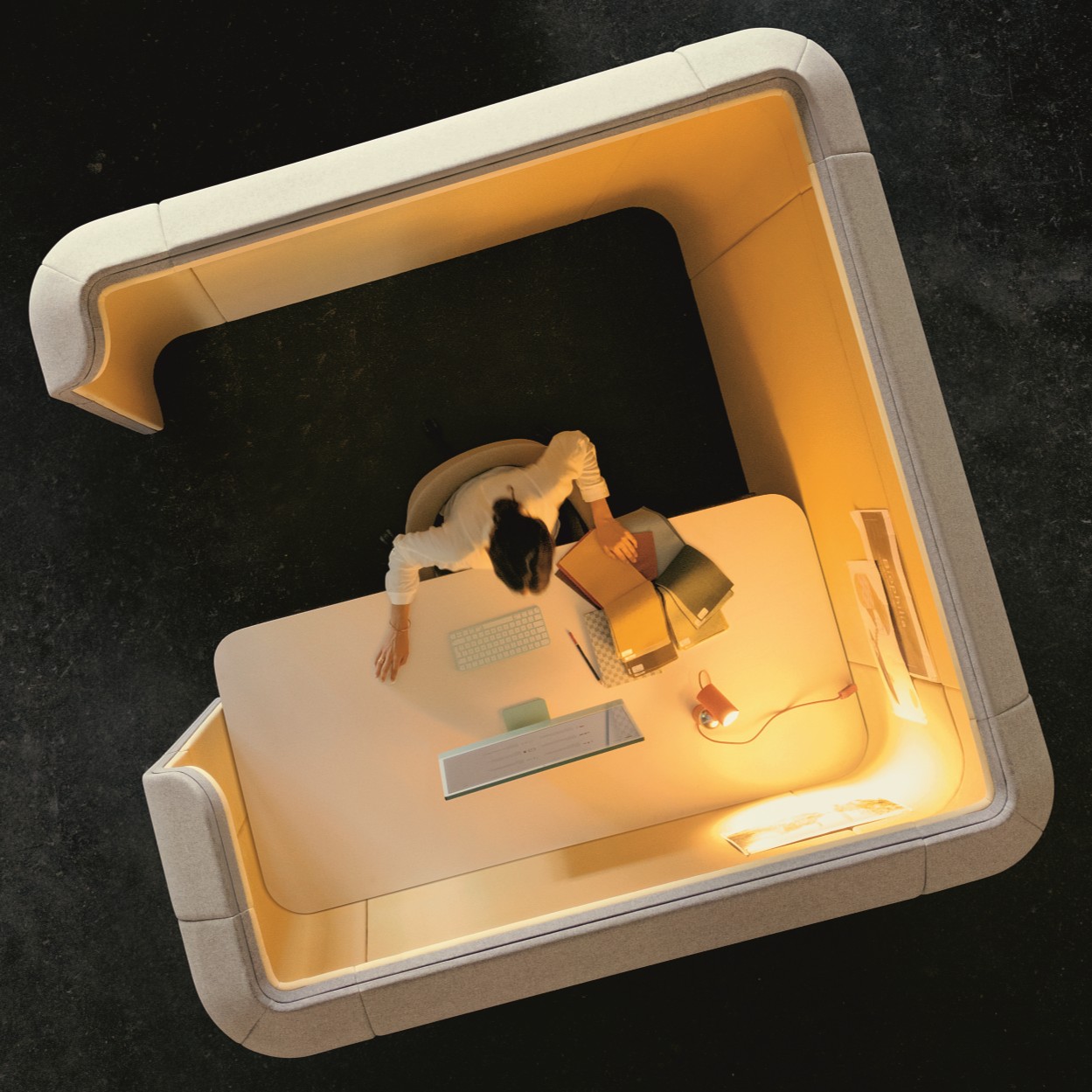
WilkhahnOn the face of it, the case for working in open plan offices is clear cut. Not only are they  more conducive to collaborative work and less bound by ideas of that great no-no that we used to call ‘status’, the economic case is seemingly open and shut. Open plan workstations not only take up around half the space of cellular offices, the fit-out costs are typically 25 per cent lower. And yet there are clear signs of a backlash, at least to the idea of them fostering collaborative work.


(more…)

Flexible work is not a location policy. It is a test of organisational trust

Flexible work is not a location policy. It is a test of organisational trust

The argument about flexible work is often staged as a fight over place: office or home, three days or five, freedom or control.The argument about flexible work is often staged as a fight over place: office or home, three days or five, freedom or control. That framing is convenient because location is visible. Trust is harder to measure. Yet the more revealing question is not where people work. It is whether an organisation has enough clarity, managerial capability and confidence in its own systems to tolerate different ways of working without falling back on visibility as a proxy for contribution. (more…)

Cognitive access is a workplace design issue

Cognitive access is a workplace design issue

Workplace inclusion is still too often organised around a private conversation between an individual and HR. Someone encounters a barrier, decides whether it is safe to disclose a condition, explains what is happening and waits for an adjustment. That process matters, but it should not carry the whole weight of inclusion. Many barriers described as personal needs are predictable features of work: continuous noise, back-to-back calls, unclear priorities, scattered instructions and unwritten rules. When these conditions are treated as fixed, individuals must negotiate around a design problem.

(more…)

BCO Awards winners focus on regeneration, sustainability and workplace experience

BCO Awards winners focus on regeneration, sustainability and workplace experience

The UK’s leading office developments have been recognised for their contribution to urban regeneration, sustainability and workplace experience at the 2026 BCO AwardsThe UK’s leading office developments have been recognised for their contribution to urban regeneration, sustainability and workplace experience at the 2026 British Council for Offices National Awards. Swansea development 71/72 Kingsway took the top prize at this year’s awards, winning both the Best of the Best and Commercial Workplace categories. Judges described the scheme as a catalyst for the regeneration of Swansea city centre and an example of how people-centred architecture can stimulate investment and attract high-value employment. The annual BCO Awards were presented to an audience of around 1,000 property and workplace professionals at the JW Marriott Grosvenor House hotel in London on 6 October. (more…)

The next workplace tech upgrade isn’t software. It’s lunch

The next workplace tech upgrade isn’t software. It’s lunch

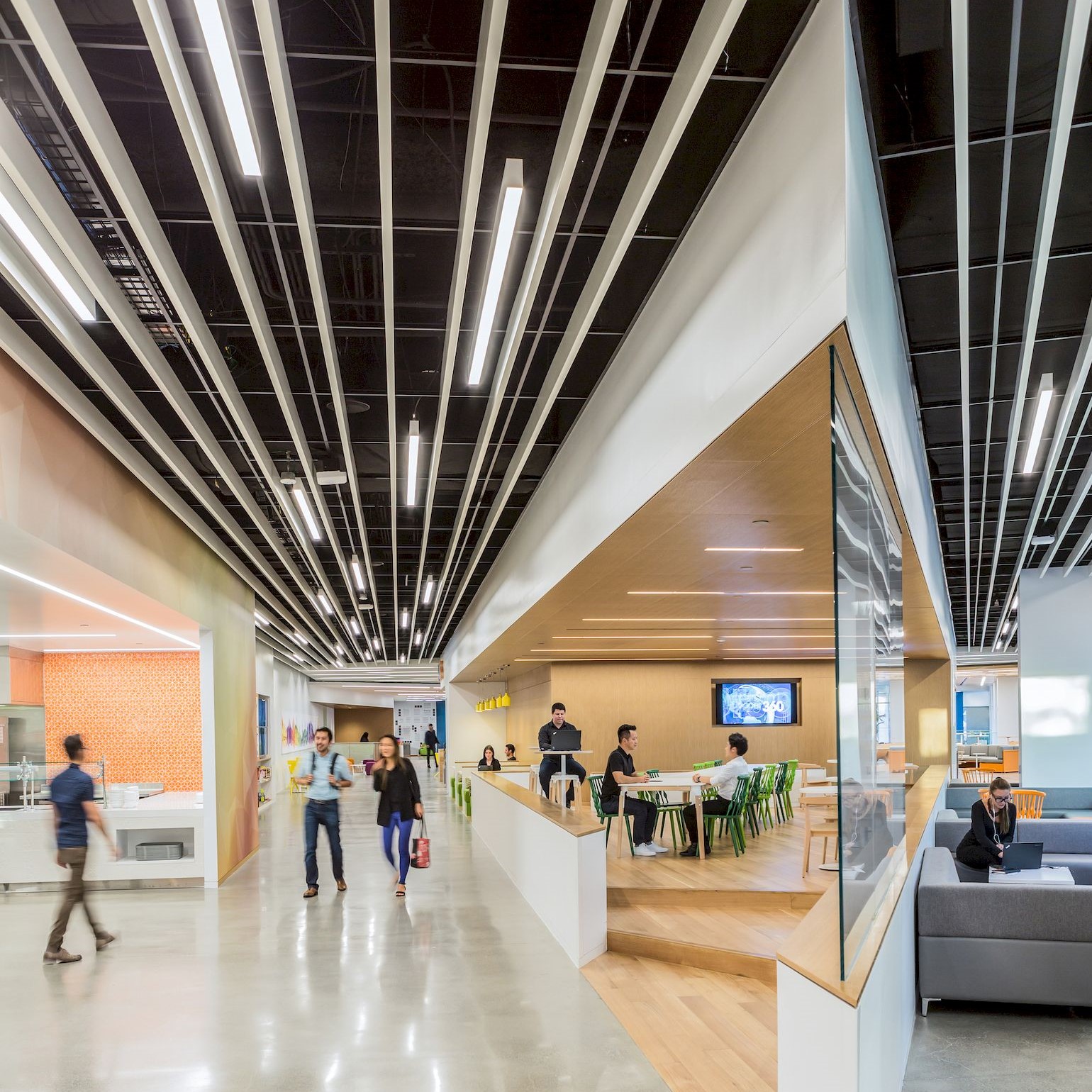
With more people choosing to split their time between home and the office, the experience of being at work has changed. If people are only in the office twice a week, opportunities to connect with colleagues face-to-face become more important. Even something as simple as sharing a meal gives people a reason to get together. An informal lunch can create conversations that wouldn’t have happened over a Teams call. For new colleagues, more casual conversation can help them settle in and get to know their colleagues better. Moving away from the desk also means a proper break from a screen, which helps everyone to return for the afternoon feeling refreshed and motivated. (more…)

Rethinking office space: can phone booths cut costs and free up meeting rooms?

Rethinking office space: can phone booths cut costs and free up meeting rooms?

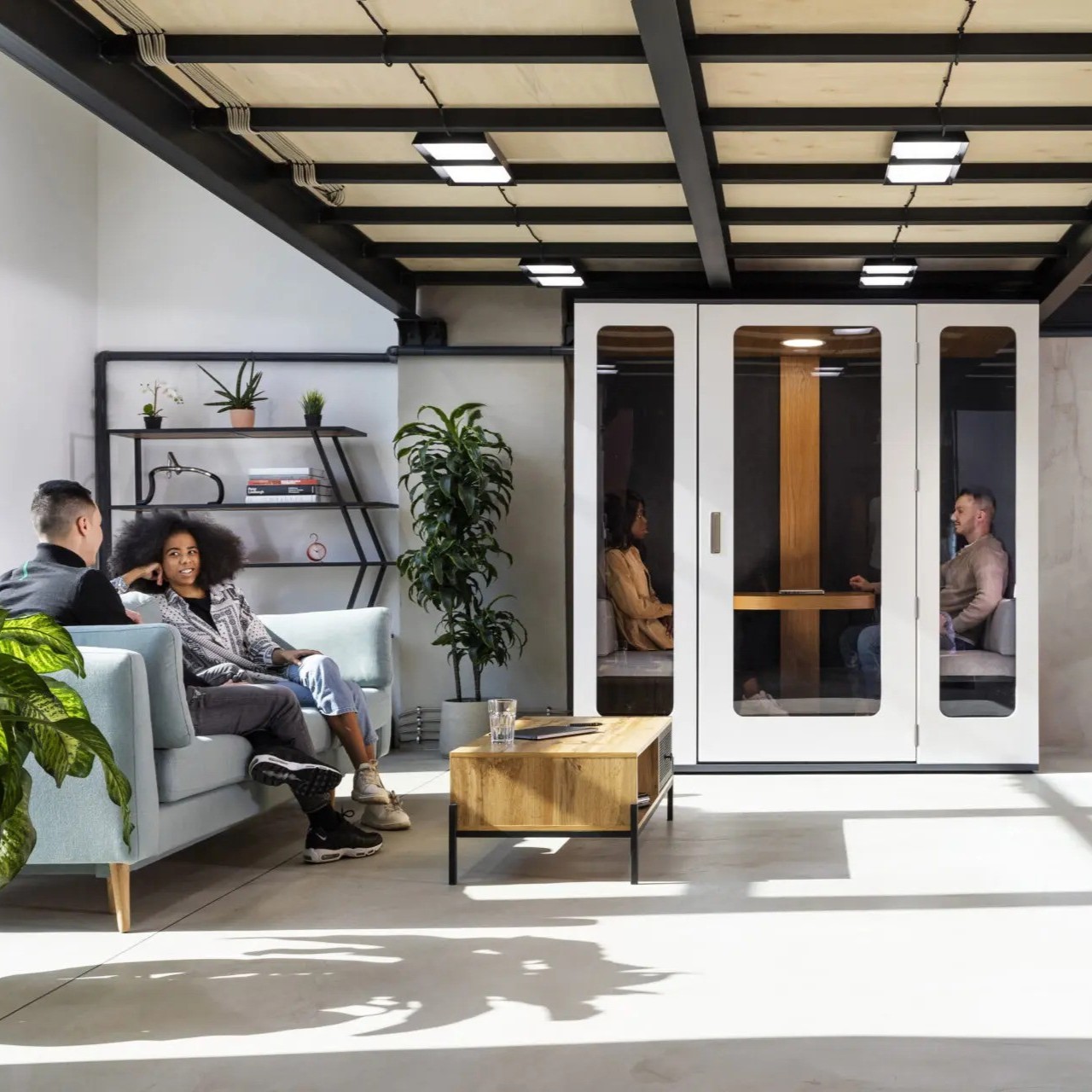
Acoustic office phone booths like those designed by MEAVO, give every type of conversation a home of its own, creating calm, private spaces exactly where people need them.The hybrid office has found its rhythm. Teams come together on their anchor days to collaborate, share ideas and meet clients, then spend the rest of the week wherever they work best. It is a model that suits people well, and it is encouraging organisations to take a fresh look at how every part of their office is used. Meeting rooms are a natural place to start. On busy days they are in high demand, often for activities that need far less space: a solo video call, a quick one-to-one, an hour of focused work away from the buzz of the open floor. The good news is that there is a simple, flexible way to create more of the right kind of space. Acoustic office pods like those designed by MEAVO, give every type of conversation a home of its own, creating calm, private spaces exactly where people need them. (more…)

Optimizing business travel for peak performance

Optimizing business travel for peak performance

With a smart approach, you can turn business travel moments from wasted time into valuable chances for focused work and getting aheadBusiness travel can often feel like a juggling act, trying to balance getting work done with all the moving parts of a trip. All that time spent traveling, waiting around in terminals, and hustling between appointments can really feel like it’s eating into your efficiency. But here’s the good news: with a smart approach, you can actually turn these moments from wasted time into valuable chances for focused work and getting ahead. By making every stage of your journey count, from the initial planning to wrapping things up when you get back, you can make sure your time away from the office actually boosts your productivity instead of dragging it down. It’s not about working harder; it’s about working smarter, so every hour on the road helps you hit your professional goals. (more…)

The new issue of Works magazine continues to explore the latest thinking on people, places and technology

The new issue of Works magazine continues to explore the latest thinking on people, places and technology

the new issue of Works magazine takes a wide-ranging look at the forces reshaping workplace design, from the growing convergence of home and office to adaptive reuse, sustainability, artificial intelligence and the continuing evolution of the furniture industry

The new issue of Works magazine is now available in its free, digital edition. As always, this new issue takes a wide-ranging look at the ideas, people, products and projects reshaping workplace design, from the growing convergence of home and office to adaptive reuse, sustainability, artificial intelligence and the continuing evolution of the furniture industry. Issue 21 arrives at a particularly interesting moment for both the workplace and the magazine itself. Rapid technological change, the proliferation of AI-generated content and the continuing repercussions of the pandemic are creating opportunities for publications and workplaces that emphasise the human, physical and connected. (more…)

AI could increase the relevance of the physical workplace, Gensler report suggests

AI could increase the relevance of the physical workplace, Gensler report suggests

Workers who regularly use artificial intelligence are spending less time working alone and more time learning and socialising with colleagues, suggesting that the spread of AI could increase rather than diminish the importance of the physical workplaceWorkers who regularly use artificial intelligence are spending less time working alone and more time learning and socialising with colleagues, suggesting that the spread of AI could increase rather than diminish the importance of the physical workplace. Gensler’s Global Workplace Survey 2026 found that 30 per cent of workers regularly use AI tools in both their professional and personal lives, a group the architecture and design firm describes as “AI power users”. A further 36 per cent are classed as late adopters who rarely or never use AI. (more…)

Gen Z workers are socialising more after returning to the office, study suggests

Gen Z workers are socialising more after returning to the office, study suggests

Almost one in three Generation Z employees say they are socialising more with colleagues since returning to the office more often, according to a new poll from career transition firm Careerminds UK. The survey of 600 UK employees found that 31.7 percent of Gen Z respondents said they socialise more with colleagues now they are spending more time in the workplace. Among millennials, the figure was 17.7 percent. The research was published during International Youth Employment Week and examined how employees’ workplace habits have changed since the return to office and hybrid working. (more…)

Remote work linked to mental health concerns in major US study

Remote work linked to mental health concerns in major US study

A major new study has suggested that the rapid growth of remote work since the pandemic has played a significant role in rising levels of social isolation and poor mental health among workersA major new study has suggested that the rapid growth of remote work since the pandemic has played a significant role in rising levels of social isolation and poor mental health among workers, although researchers stress that the findings relate primarily to fully remote work rather than hybrid arrangements. The research, published in the journal Science, analysed data from five nationally representative surveys covering almost 590,000 US workers between 2011 and 2024. According to the authors, the expansion of remote work may account for around one third of the increase in mental distress recorded over that period. (more…)

Remote work linked to rising isolation and poorer mental health, study finds

Remote work linked to rising isolation and poorer mental health, study finds

The rapid growth of remote work since the Covid-19 pandemic has contributed to increased social isolation and worsening mental health among workers, according to a major new studyThe rapid growth of remote work since the Covid-19 pandemic has contributed to increased social isolation and worsening mental health among workers, according to a major new study published in the journal Science. Researchers from the Federal Reserve Bank of New York, the University of Virginia and Harvard University analysed data from five nationally representative surveys covering nearly 590,000 American workers between 2011 and 2024. Their findings suggest that the shift towards home working may account for around one third of the rise in mental distress recorded in the United States since the pandemic. (more…)